Zhuo'er Rubber & Plastic Product Co., Ltd




Maximizing Traffic Safety with Advanced Polyurethane Scraper Technology
Pubdate:
2026-07-05

Maximizing Traffic Safety with Advanced Polyurethane Scraper Technology
Table of Contents
- 1. Introduction to Polyurethane Scraper Technology
- 2. What is Polyurethane Scraper Technology?
- 3. Benefits of Polyurethane Scraper Technology in Traffic Safety
- 4. Applications of Polyurethane Scraper Technology in Traffic Safety
- 5. Case Studies and Success Stories
- 6. Installation and Maintenance of Polyurethane Scrapers
- 7. Comparison with Other Materials Used in Traffic Safety
- 8. The Future of Traffic Safety Technology
- 9. Frequently Asked Questions
- 10. Conclusion
1. Introduction to Polyurethane Scraper Technology
In today’s fast-paced world, traffic safety remains a top priority for cities and municipalities. With the increasing number of vehicles on the roads, innovative solutions are crucial to prevent accidents and enhance overall traffic efficiency. **Polyurethane scraper technology** stands out as a leading-edge approach that offers remarkable advantages in maintaining road safety and performance.
This article aims to provide an in-depth look at how advanced polyurethane scrapers can significantly bolster traffic safety, exploring their unique properties, applications, and future potential.
2. What is Polyurethane Scraper Technology?
Polyurethane scraper technology involves the use of durable polyurethane materials to create scrapers that are employed in various traffic safety applications. Unlike traditional materials such as rubber or metal, polyurethane offers superior elasticity, weather resistance, and longevity.
These scrapers are specifically designed to interact with road surfaces, providing effective solutions for debris removal, surface maintenance, and traffic suppression. Their unique formulation allows them to withstand harsh environmental conditions while maintaining excellent performance.
3. Benefits of Polyurethane Scraper Technology in Traffic Safety
The integration of **polyurethane scraper technology** into traffic management systems offers numerous benefits:
3.1 Enhanced Durability
Polyurethane scrapers are known for their exceptional durability. They can endure extreme weather conditions, heavy traffic loads, and abrasive surfaces without wearing down quickly. This longevity translates into reduced replacement costs and minimal downtime for maintenance.
3.2 Improved Safety
The primary goal of traffic safety technology is to prevent accidents. Polyurethane scrapers effectively remove debris and contaminants from road surfaces, ensuring better traction for vehicles. This reduction in slippery surfaces directly decreases the likelihood of accidents, particularly in adverse weather conditions.
3.3 Cost-Effectiveness
While the initial investment in polyurethane technology may be higher than traditional options, the long-term savings are substantial. The durability and low maintenance requirements mean lower overall costs for municipalities over time.
3.4 Versatility in Applications
Polyurethane scrapers can be customized for various applications, including highways, urban streets, and industrial areas. Their adaptability makes them suitable for multiple traffic safety needs, from snow removal to road surface maintenance.
3.5 Environmentally Friendly
Many polyurethane materials are manufactured with eco-friendly processes. This means that the use of polyurethane scrapers not only enhances traffic safety but also aligns with sustainable practices and reduces the overall environmental impact.
4. Applications of Polyurethane Scraper Technology in Traffic Safety
The versatility of polyurethane scrapers allows for a wide range of applications, contributing significantly to traffic safety.
4.1 Snow Removal Systems
In regions prone to heavy snowfall, polyurethane scrapers are integral to snow removal systems. Their design allows for efficient clearing of snow without damaging the road surface, thereby enhancing road safety during winter months.
4.2 Debris Management
Road debris can pose serious hazards to drivers. Polyurethane scrapers can effectively manage debris, keeping roadways clear and reducing the risk of accidents due to unforeseen obstacles.
4.3 Road Surface Maintenance
Regular maintenance of road surfaces is vital for traffic safety. Polyurethane scrapers assist in resurfacing efforts by removing loose materials and preparing surfaces for repairs, ensuring a smoother and safer driving experience.
4.4 Traffic Control Systems
Integrated with advanced traffic control systems, polyurethane scrapers can help manage traffic flow by controlling the accumulation of materials that may impede vehicle movement.
4.5 Airport Runway Maintenance
Airports utilize polyurethane scrapers for runway maintenance, ensuring that snow, ice, and debris do not compromise aircraft safety during takeoff and landing.
5. Case Studies and Success Stories
Real-world applications of polyurethane scraper technology have demonstrated its effectiveness in enhancing traffic safety.
5.1 City of Chicago’s Snow Management Program
During the winter months, the City of Chicago implemented a polyurethane scraper system that significantly reduced road accidents attributed to snow-covered roads. The program resulted in a 30% decrease in winter-related vehicle incidents.
5.2 Highway 101 Debris Clearance
In a pilot program on Highway 101, polyurethane scrapers were utilized to manage debris. The project reported a 40% reduction in accidents caused by debris, showcasing the technology’s potential to save lives.
6. Installation and Maintenance of Polyurethane Scrapers
Implementing polyurethane scraper systems requires careful planning and execution.
6.1 Installation Process
The installation of polyurethane scrapers involves assessing the specific needs of the road or area in question. Professionals typically conduct a site survey, designing a tailored solution that optimizes traffic safety.
6.2 Maintenance Requirements
While polyurethane scrapers are designed for durability, routine inspections and maintenance are crucial. Regular checks ensure that scrapers are functioning effectively and that any necessary repairs are conducted promptly.
7. Comparison with Other Materials Used in Traffic Safety
When evaluating materials for traffic safety applications, polyurethane scrapers offer distinct advantages over traditional options.
7.1 Polyurethane vs. Rubber
While rubber scrapers can provide some level of elasticity, they lack the durability and weather resistance offered by polyurethane. This makes polyurethane the superior choice for long-term traffic safety solutions.
7.2 Polyurethane vs. Metal Scrapers
Metal scrapers may offer strength, but they can easily damage road surfaces and are prone to rust and corrosion. Polyurethane scrapers provide a gentler touch while maintaining effectiveness, making them ideal for various applications.
8. The Future of Traffic Safety Technology
The future of traffic safety technology is exciting, with innovations continually emerging. Polyurethane scraper technology is poised to evolve further, driven by advances in materials science and engineering.
8.1 Smart Traffic Solutions
Integrating polyurethane scrapers with smart traffic management systems will enhance their effectiveness. For instance, sensors can monitor road conditions and trigger scrapers to activate when needed, ensuring optimal safety at all times.
8.2 Sustainability Initiatives
As the push for sustainable solutions intensifies, innovations in polyurethane production will likely focus on environmentally friendly practices. This will further enhance the appeal of polyurethane scrapers in traffic safety.
9. Frequently Asked Questions
Q1: What are the primary advantages of using polyurethane scrapers?
A1: Polyurethane scrapers offer enhanced durability, improved safety, cost-effectiveness, versatility in applications, and environmentally friendly properties.
Q2: How do polyurethane scrapers compare to traditional scraper materials?
A2: Polyurethane scrapers outperform traditional materials like rubber and metal in terms of durability, safety, and maintenance.
Q3: Are polyurethane scrapers suitable for all weather conditions?
A3: Yes, polyurethane scrapers are designed to withstand extreme weather conditions, making them ideal for various environments.
Q4: How often do polyurethane scrapers need maintenance?
A4: Regular inspections are recommended, but maintenance can often be minimal due to their durable nature.
Q5: Can polyurethane scrapers be customized for specific applications?
A5: Absolutely! Polyurethane scrapers can be tailored to meet the unique needs of different traffic safety applications.
10. Conclusion
Incorporating advanced **polyurethane scraper technology** into traffic safety systems represents a significant advancement in ensuring safer roadways. With benefits ranging from enhanced durability and improved safety to environmental sustainability, polyurethane scrapers are transforming how municipalities manage traffic safety. As technology continues to evolve, the potential for further innovations in this field is promising, paving the way for safer, more efficient transportation infrastructures worldwide. Embracing these advanced solutions will not only protect lives but also enhance the overall efficiency of traffic management systems.
Recommended Reading
Rubber Wheel Block: A Practical Solution for Safer and More Efficient Parking Areas
Best rubber wheel block with customizable size, color, material, and design, offering durable vehicle positioning and reliable parking protection
Rubber Wheel Stops for Residential vs. Commercial Use: Understanding the Key Differences
Rubber Wheel Stops for Residential vs. Commercial Use: Understanding the Key Differences Parking safety is a critical aspect of property management, whether in residential areas or commercial settings. One of the most effective tools for enhancing parking safety is the rubber wheel stop. These simple yet effective devices help prevent vehicles from encroaching on sidewalks, landscaping, or other r
Understanding Silicone Gaskets: Essential Components in Automotive Engine Systems
Silicone gaskets play a crucial role in the automotive engine systems, particularly in sealing applications where durability and thermal resistance are paramount. As a professional in the automotive sector, understanding the properties and benefits of silicone gaskets can significantly enhance your operations and product offerings. Silicone, a synthetic rubber, is well-known for its excellent ther
DIY Wheel Chocks: Create Your Own for Enhanced Safety on the Road
DIY Wheel Chocks: Create Your Own for Enhanced Safety on the Road Table of Contents What Are Wheel Chocks? The Importance of Using Wheel Chocks for Vehicle Safety Materials Needed for DIY Wheel Chocks How to Make DIY Wheel Chocks: Step-by-Step Instructions Design Considerations for Effective Wheel Chocks Testing Your DIY Wheel Chocks for Safety Maintenance and Care for Your Wheel Ch
The Essential Role of Aircraft Wheel Chocks in Aviation Safety
Aircraft wheel chocks are essential safety devices used in the aviation industry to prevent aircraft from rolling or moving unintentionally while parked or being serviced. These devices are designed to securely wedge against the wheels of an aircraft, providing stability and safeguarding personnel and equipment in the vicinity. Understanding their significance and proper usage is vital for maintai
The Future of Traffic Safety: Polyurethane Scrapers Leading the Way
The Future of Traffic Safety: Polyurethane Scrapers Leading the Way Traffic safety has always been a paramount concern for urban planners, policymakers, and engineers. In recent years, advancements in materials science have begun to shape the way we approach traffic safety equipment. One of the most notable innovations in this field is the use of polyurethane scrapers. These tools are not only des
Company Profile
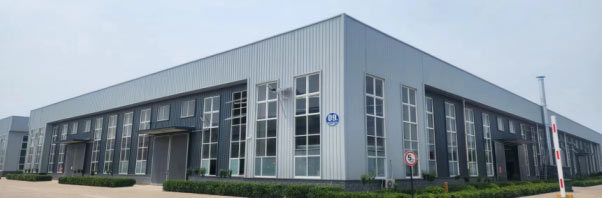
Specializing in the production of aircraft wheel chocks, rubber parts, silicone fluororubber products, waterstop, carrier rollers, conveyor belts, polyurethane accessories, nylon plastic parts, high-pressure oil pipes, metal hoses, various rubber strips, rubber wheels, wheel heat exchanger pads, etc.
Quick Link
Contact Info
ADDRESS:
Workshop 9, Wanxiang Equipment Industrial Park, Wuyi County, Hengshui City, Hebei Province, China
E-mail:


