Zhuo'er Rubber & Plastic Product Co., Ltd




Rubber Wheel Stops for Residential vs. Commercial Use: Understanding the Key Differences
Pubdate:
2026-09-09

Rubber Wheel Stops for Residential vs. Commercial Use: Understanding the Key Differences
Parking safety is a critical aspect of property management, whether in residential areas or commercial settings. One of the most effective tools for enhancing parking safety is the rubber wheel stop. These simple yet effective devices help prevent vehicles from encroaching on sidewalks, landscaping, or other restricted areas. However, there are significant differences between rubber wheel stops designed for residential use and those tailored for commercial applications. In this article, we will explore these differences, helping you understand which option is best suited for your specific needs.
Table of Contents
- 1. What Are Rubber Wheel Stops?
- 2. Importance of Wheel Stops in Parking Safety
- 3. Residential Wheel Stops: Features and Benefits
- 4. Commercial Wheel Stops: Features and Benefits
- 5. Key Differences Between Residential and Commercial Wheel Stops
- 6. Installation Tips for Rubber Wheel Stops
- 7. Maintenance of Rubber Wheel Stops
- 8. Frequently Asked Questions (FAQs)
- 9. Conclusion
1. What Are Rubber Wheel Stops?
Rubber wheel stops are safety devices designed to prevent vehicles from parking too close to restricted areas. Made from durable rubber, these stops are resilient, weather-resistant, and can withstand the weight of various vehicles. Typically installed in parking lots, garages, and driveways, rubber wheel stops serve as a physical barrier that informs drivers when they have reached the limit of their parking space.
2. Importance of Wheel Stops in Parking Safety
The importance of rubber wheel stops in maintaining parking safety cannot be understated. They provide several advantages, including:
- Protection of Property: Wheel stops help prevent vehicles from damaging landscaping, sidewalks, and building exteriors.
- Enhanced Visibility: Brightly colored rubber stops are easy to see, especially in dim lighting, reducing the risk of accidents.
- Space Management: Properly placed wheel stops help optimize parking space, ensuring efficient use of available areas.
3. Residential Wheel Stops: Features and Benefits
Residential wheel stops are designed with homeowners and small residential complexes in mind. They typically have distinct features that cater to the needs of residential parking environments. Here are some of their key features and benefits:
Durable Design
Residential wheel stops are made from high-quality rubber, ensuring longevity and resistance to wear and tear.
Compact Size
These stops are usually more compact than commercial options, making them suitable for narrower driveways and residential parking spaces.
Easy Installation
Residential wheel stops often come with pre-drilled holes for easy installation, requiring minimal tools and effort.
Cost-Effective Solutions
Homeowners can find these wheel stops at a lower price point compared to commercial-grade options, making them an economical choice for personal use.
4. Commercial Wheel Stops: Features and Benefits
In contrast to residential wheel stops, commercial wheel stops are designed for larger, high-traffic areas like shopping centers, office parks, and industrial sites. They possess unique features tailored to meet the demands of commercial environments:
Robust Construction
Commercial wheel stops are built to withstand heavy loads and frequent use, making them ideal for busy parking lots.
Increased Visibility
These stops often incorporate reflective strips or bright colors, ensuring they are easily visible in low-light conditions and during adverse weather.
Customizable Options
Many commercial wheel stops can be customized with logos or specific colors to enhance branding and visibility.
Regulatory Compliance
Commercial wheel stops are often designed to meet local safety regulations, providing peace of mind for business owners.
5. Key Differences Between Residential and Commercial Wheel Stops
Understanding the key differences between residential and commercial wheel stops is crucial for making an informed purchase. Here’s a breakdown:
Size and Dimensions
Residential wheel stops are generally smaller and more compact, while commercial stops are larger and designed for heavier vehicles.
Design and Features
Commercial options often include reflective strips for visibility, whereas residential stops may not have this feature.
Durability Requirements
Commercial wheel stops must withstand heavier traffic and more significant wear and tear, leading to more robust construction materials compared to residential variants.
Cost
Typically, commercial wheel stops are priced higher due to their durability and features tailored for high-traffic areas.
6. Installation Tips for Rubber Wheel Stops
Proper installation is crucial for the effectiveness of rubber wheel stops. Here are some tips to ensure successful installation:
Choose the Right Location
Identify areas where you want to prevent vehicles from encroaching, such as sidewalks, flower beds, or building entrances.
Align Correctly
Ensure that the wheel stops are aligned properly with parking spaces to maximize their effectiveness.
Secure Installation
Use appropriate anchors or bolts to secure rubber wheel stops to the ground, preventing them from shifting under pressure.
Follow Manufacturer Guidelines
Always refer to the manufacturer’s instructions for the best practices on installation and maintenance.
7. Maintenance of Rubber Wheel Stops
Maintaining rubber wheel stops is essential to ensure their longevity and effectiveness. Here are some maintenance tips:
Regular Inspections
Conduct regular checks to identify any signs of wear and tear or damage that may compromise their functionality.
Cleanliness
Keep the wheel stops clean by removing debris, dirt, or snow, which can affect visibility and safety.
Repair or Replace
When wheel stops show signs of significant damage, consider repairing or replacing them promptly to maintain safety.
8. Frequently Asked Questions (FAQs)
1. What material are rubber wheel stops made from?
Rubber wheel stops are typically made from recycled rubber or high-density polyethylene (HDPE), providing durability and weather resistance.
2. How do I install rubber wheel stops?
Installation involves securing the stops to the ground with anchors or bolts, aligning them correctly in designated parking areas.
3. Can I use residential wheel stops in a commercial setting?
While it is possible, it is not recommended due to the differences in durability and design features that commercial environments require.
4. Are rubber wheel stops effective in all weather conditions?
Yes, rubber wheel stops are designed to withstand various weather conditions, ensuring visibility and functionality regardless of the environment.
5. How often should I inspect my wheel stops?
Regular inspections every few months are recommended, with more frequent checks in high-traffic areas or following extreme weather events.
9. Conclusion
In conclusion, understanding the differences between rubber wheel stops for residential and commercial use is essential for ensuring safety and functionality in parking environments. By considering factors such as size, durability, design, and installation, you can make an informed decision that meets your specific needs. Whether you are a homeowner looking to protect your property or a business owner aiming to maintain a safe parking area, selecting the right rubber wheel stop is a crucial step in effective parking management. As you invest in these safety devices, remember that their proper installation and maintenance will yield long-term benefits for your property.
Recommended Reading
Rubber Wheel Block: A Practical Solution for Safer and More Efficient Parking Areas
Best rubber wheel block with customizable size, color, material, and design, offering durable vehicle positioning and reliable parking protection
Rubber Wheel Stops for Residential vs. Commercial Use: Understanding the Key Differences
Rubber Wheel Stops for Residential vs. Commercial Use: Understanding the Key Differences Parking safety is a critical aspect of property management, whether in residential areas or commercial settings. One of the most effective tools for enhancing parking safety is the rubber wheel stop. These simple yet effective devices help prevent vehicles from encroaching on sidewalks, landscaping, or other r
Understanding Silicone Gaskets: Essential Components in Automotive Engine Systems
Silicone gaskets play a crucial role in the automotive engine systems, particularly in sealing applications where durability and thermal resistance are paramount. As a professional in the automotive sector, understanding the properties and benefits of silicone gaskets can significantly enhance your operations and product offerings. Silicone, a synthetic rubber, is well-known for its excellent ther
DIY Wheel Chocks: Create Your Own for Enhanced Safety on the Road
DIY Wheel Chocks: Create Your Own for Enhanced Safety on the Road Table of Contents What Are Wheel Chocks? The Importance of Using Wheel Chocks for Vehicle Safety Materials Needed for DIY Wheel Chocks How to Make DIY Wheel Chocks: Step-by-Step Instructions Design Considerations for Effective Wheel Chocks Testing Your DIY Wheel Chocks for Safety Maintenance and Care for Your Wheel Ch
The Essential Role of Aircraft Wheel Chocks in Aviation Safety
Aircraft wheel chocks are essential safety devices used in the aviation industry to prevent aircraft from rolling or moving unintentionally while parked or being serviced. These devices are designed to securely wedge against the wheels of an aircraft, providing stability and safeguarding personnel and equipment in the vicinity. Understanding their significance and proper usage is vital for maintai
The Future of Traffic Safety: Polyurethane Scrapers Leading the Way
The Future of Traffic Safety: Polyurethane Scrapers Leading the Way Traffic safety has always been a paramount concern for urban planners, policymakers, and engineers. In recent years, advancements in materials science have begun to shape the way we approach traffic safety equipment. One of the most notable innovations in this field is the use of polyurethane scrapers. These tools are not only des
Company Profile
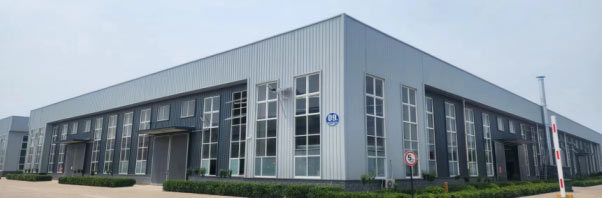
Specializing in the production of aircraft wheel chocks, rubber parts, silicone fluororubber products, waterstop, carrier rollers, conveyor belts, polyurethane accessories, nylon plastic parts, high-pressure oil pipes, metal hoses, various rubber strips, rubber wheels, wheel heat exchanger pads, etc.
Quick Link
Contact Info
ADDRESS:
Workshop 9, Wanxiang Equipment Industrial Park, Wuyi County, Hengshui City, Hebei Province, China
E-mail:


