Zhuo'er Rubber & Plastic Product Co., Ltd




Rubber Wheel Block Improves Vehicle Safety and Parking Management Across Commercial and Industrial Applications
Pubdate:
2026-07-06

As transportation, logistics, and industrial operations continue to expand, effective vehicle safety equipment has become increasingly important for protecting people, vehicles, and infrastructure. Among the many products used for parking control and vehicle positioning, the Rubber wheel block has become a practical and reliable solution for commercial facilities, warehouses, parking lots, logistics centers, factories, residential communities, and transportation terminals. Designed to prevent unwanted vehicle movement, rubber wheel blocks provide stable stopping positions while improving safety during parking, loading, unloading, and maintenance operations.
A rubber wheel block is manufactured from high-quality natural rubber, recycled rubber, or specially formulated synthetic rubber compounds. These materials provide excellent durability, impact resistance, weather resistance, and long service life under continuous vehicle traffic. Unlike traditional concrete or metal parking stops, rubber wheel blocks offer better flexibility and absorb impact more effectively, reducing potential damage to vehicle tires, suspension systems, and parking surfaces.
One of the major advantages of the rubber wheel block is its excellent anti-slip performance. The textured rubber surface provides stable contact with both the ground and vehicle tires, helping prevent displacement even under frequent use. This stability improves parking accuracy and contributes to safer vehicle positioning in both indoor and outdoor environments.
Modern rubber wheel blocks are widely used in commercial parking facilities where accurate parking positions improve traffic organization and maximize parking space utilization. Shopping malls, office buildings, hotels, hospitals, schools, and public parking garages frequently install rubber wheel blocks to guide vehicles into designated parking areas while protecting surrounding walls, landscaping, and pedestrian walkways.
Industrial facilities also benefit from the use of rubber wheel blocks. Warehouses, manufacturing plants, logistics centers, distribution hubs, and loading docks often require trucks, forklifts, and trailers to remain stationary during loading and unloading operations. Rubber wheel blocks help secure vehicle positions, reducing movement that could affect cargo handling efficiency or workplace safety.
The transportation industry has also adopted rubber wheel blocks for maintenance workshops, bus depots, vehicle inspection stations, and fleet management centers. Service technicians rely on properly positioned vehicles during inspection and maintenance procedures, making reliable wheel blocking an important component of daily operations.
Material quality plays a significant role in product performance. High-grade rubber formulations provide excellent resistance to ultraviolet radiation, moisture, chemicals, oil, and temperature variations. These characteristics enable rubber wheel blocks to maintain their structural integrity and performance under demanding outdoor conditions throughout many years of continuous use.
Another important advantage is impact absorption. Rubber naturally absorbs collision energy when vehicle tires contact the wheel block during parking. This reduces noise, minimizes vibration, and protects both the vehicle and parking infrastructure. Compared with rigid concrete barriers, rubber wheel blocks offer a more vehicle-friendly solution while maintaining effective stopping performance.
Installation is simple and efficient. Most rubber wheel blocks include preformed mounting holes that allow secure installation using expansion bolts or anchor systems on concrete or asphalt surfaces. Once installed, they require minimal maintenance while providing long-term reliability even in high-traffic environments.

Visibility is another consideration in modern product design. Many rubber wheel blocks incorporate bright yellow reflective strips or high-visibility markings that improve driver awareness during both daytime and nighttime parking. Enhanced visibility helps reduce parking accidents while improving overall traffic management within commercial facilities.
A recent logistics warehouse modernization project demonstrates the practical value of rubber wheel blocks. The company installed heavy-duty rubber wheel blocks throughout its truck loading areas to improve vehicle positioning accuracy during loading operations. Following installation, truck alignment became more consistent, loading efficiency improved, and accidental contact with loading dock structures decreased significantly.
Another commercial office complex introduced rubber wheel blocks across its underground parking garage to improve parking organization and protect structural columns from vehicle impact. Property managers reported lower maintenance costs, improved parking discipline, and positive feedback from drivers regarding the clear parking guidance provided by the system.
OEM and customized manufacturing services have become increasingly important for international distributors and infrastructure contractors. Professional manufacturers provide customized dimensions, weight specifications, reflective markings, molded company logos, mounting hole configurations, packaging solutions, and color options according to customer requirements. These services allow customers to develop products that match local regulations and branding needs.
Quality control remains an essential part of manufacturing. Reliable producers inspect raw rubber materials, molding accuracy, dimensional tolerances, hardness, impact resistance, weather resistance, and finished product appearance before shipment. These procedures ensure that every rubber wheel block delivers stable long-term performance under practical operating conditions.
Packaging and transportation are carefully arranged to protect products during domestic and international logistics. Bulk pallet packaging, shrink wrapping, reinforced cartons, and customized export packaging help maintain product quality while supporting efficient handling throughout the supply chain.
Environmental sustainability has become another focus within the rubber products industry. Many rubber wheel blocks are manufactured using recycled rubber materials recovered from used tires and other industrial sources. This recycling process helps reduce waste while creating durable products suitable for demanding commercial applications. Combined with long service life and low maintenance requirements, rubber wheel blocks contribute to sustainable infrastructure development.
Looking toward the future, product development will continue focusing on improved material formulations, enhanced reflective technology, modular installation systems, and greater compatibility with intelligent parking management solutions. These innovations will further improve parking safety, operational efficiency, and long-term durability across commercial and industrial environments.
In conclusion, the rubber wheel block remains an effective and economical solution for vehicle positioning, parking management, and workplace safety. Its combination of durable construction, impact absorption, anti-slip performance, easy installation, and customizable manufacturing makes it suitable for a broad range of commercial, industrial, and public infrastructure applications. Supported by advanced rubber processing technology, strict quality management, OEM production capability, and dependable global supply, rubber wheel blocks continue helping customers improve parking safety, reduce maintenance costs, and enhance traffic organization worldwide.
Recommended Reading
Polyurethane Scrapers vs. Traditional Materials: Which is Better for Safety?
Polyurethane Scrapers vs. Traditional Materials: Which is Better for Safety? Table of Contents 1. Introduction to Safety Equipment Materials 2. Understanding Polyurethane Scrapers 3. Traditional Materials in Safety Equipment 4. Advantages of Polyurethane Scrapers for Safety 5. Disadvantages of Polyurethane Scrapers 6. Benefits of Traditional Materials 7. Drawbacks of T
Understanding Rubber Butterfly Valves: Essential Components for Traffic Safety Devices
Rubber butterfly valves are vital components in various applications, particularly within the automotive and transportation safety equipment sectors. These valves operate using a circular disc that rotates within the flow of a medium—typically liquids or gases—allowing for easy regulation of the flow. The “rubber” aspect pertains to the sealing materials used in the valve's construction, offering
How Rubber Wheel Stops Help Manage Traffic Flow Efficiently
How Rubber Wheel Stops Help Manage Traffic Flow Efficiently Table of Contents 1. Introduction to Rubber Wheel Stops 2. Understanding Traffic Flow Management 3. The Role of Rubber Wheel Stops in Traffic Safety 4. Key Benefits of Using Rubber Wheel Stops 4.1 Enhanced Safety in Parking Areas 4.2 Improved Space Utilization 4.3 Durability and Cost-Effectiveness 5. How to Install Rubber Wheel Stops Effe
Understanding Silicone Gaskets: Essential Components for Automotive Engine Systems
Silicone gaskets are vital components in automotive engine systems, especially when it comes to sealing various parts within the engine. Their unique properties make them ideal for high-temperature and high-pressure environments, which are common in automotive applications. Understanding their benefits, applications, and maintenance can help automotive professionals and enthusiasts alike ensure op
Wheel Chocks in Extreme Conditions: Essential Considerations for Safety and Performance
Wheel Chocks in Extreme Conditions: Essential Considerations for Safety and Performance Table of Contents Understanding Wheel Chocks: Basics and Functions The Importance of Wheel Chocks in Extreme Conditions Material Selection: Choosing the Right Wheel Chock Safety Standards and Certifications for Wheel Chocks Proper Usage Techniques for Wheel Chocks Maintenance and Inspec
The Essential Guide to Aircraft Wheel Chocks: Enhancing Safety in Aviation
Aircraft wheel chocks are essential safety devices used to secure aircraft in place when they are parked or undergoing loading and unloading. Their primary function is to prevent accidental movement, ensuring both personnel and equipment are safe from potential hazards. Understanding the significance of wheel chocks is vital for professionals in the aviation and transportation safety sectors. Ther
Company Profile
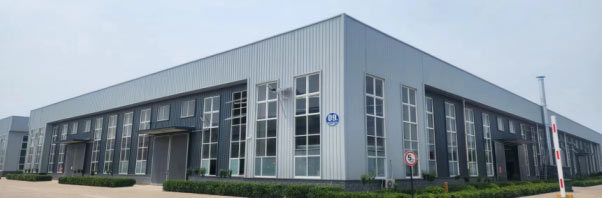
Specializing in the production of aircraft wheel chocks, rubber parts, silicone fluororubber products, waterstop, carrier rollers, conveyor belts, polyurethane accessories, nylon plastic parts, high-pressure oil pipes, metal hoses, various rubber strips, rubber wheels, wheel heat exchanger pads, etc.
Quick Link
Contact Info
ADDRESS:
Workshop 9, Wanxiang Equipment Industrial Park, Wuyi County, Hengshui City, Hebei Province, China
E-mail:


