Zhuo'er Rubber & Plastic Product Co., Ltd




Rubber Wheel Block: A Practical Solution for Safer and More Efficient Parking Areas
Pubdate:
2026-09-09

As parking facilities, commercial properties, warehouses, and industrial sites continue to place greater emphasis on vehicle safety and space management, rubber wheel blocks are becoming a practical solution for controlling vehicle positioning. Designed to provide a clear stopping point, rubber wheel blocks can help prevent vehicles from moving beyond designated parking spaces and reduce the risk of contact with walls, curbs, barriers, landscaping, and other nearby structures.
Unlike traditional concrete parking stops, rubber wheel blocks are generally lighter and easier to handle during transportation and installation. Their flexible construction can also provide a more forgiving contact surface when a vehicle reaches the stopping point. Depending on the application, rubber wheel blocks may be manufactured from recycled rubber or other durable rubber compounds and can be designed for use on asphalt, concrete, and other suitable surfaces.
Improving Parking Control
A clearly defined stopping position is important in busy parking areas. Vehicles that stop too far forward can interfere with pedestrian walkways, landscaping, walls, or adjacent spaces. In warehouses and distribution facilities, poorly controlled vehicle movement can also increase the risk of contact with loading areas, equipment, or structural elements.
Rubber wheel blocks provide a visible physical reference that helps drivers position vehicles consistently. They are commonly used in parking lots, garages, retail facilities, warehouses, schools, residential developments, and other areas where controlled vehicle positioning is required.
For commercial properties, installing wheel blocks can also help create a more organized parking layout. When consistently positioned across multiple parking bays, they provide a uniform stopping point and make individual spaces easier to identify.
Durable Performance for Outdoor Applications
Outdoor parking equipment is exposed to sunlight, rain, temperature changes, vehicle impact, and repeated daily use. Material selection therefore plays an important role in the service life of a rubber wheel block.
Many modern wheel stops use recycled rubber or rubber-based compounds designed to withstand regular impact and outdoor exposure. Some manufacturers also incorporate reflective markings to improve visibility during low-light conditions.
The flexibility of rubber can be particularly useful in parking environments where repeated vehicle contact is expected. Compared with brittle materials, properly designed rubber products can provide a degree of impact absorption while maintaining their overall shape.
High-Visibility Design
Visibility is another important consideration when selecting a wheel block. A parking stop that is difficult to see may not provide an effective visual reference, particularly at night, during poor weather, or in poorly illuminated garages.
For this reason, many rubber wheel blocks feature yellow, white, or reflective markings that contrast with the darker body of the product. High-visibility markings can make the stopping point easier for drivers to identify and can also improve awareness for pedestrians moving around parking areas.
For projects with specific branding or identification requirements, customized colors, reflective elements, logos, or other visual features may also be available depending on the manufacturer's production capabilities.
Easy Installation and Maintenance
Installation is an important part of wheel block performance. A wheel block must remain securely positioned when vehicles repeatedly make contact with it. Depending on the surface and product design, installation may involve bolts, anchors, spikes, or other suitable fixing systems.
Before installation, the surface should be checked to ensure that it is sufficiently clean, stable, and suitable for the selected fixing method. The wheel block should be correctly aligned within the parking space before drilling and securing the fixing points. Manufacturers may specify different hardware for asphalt and concrete surfaces, so installation should always follow the applicable product instructions.
Once installed correctly, rubber wheel blocks generally require limited maintenance. Routine inspections can help identify loose fasteners, damaged reflective markings, movement, or other conditions that could affect performance.
Suitable for Different Commercial Environments
Rubber wheel blocks are not limited to conventional car parks. They can be used in a variety of commercial and industrial environments where vehicle positioning needs to be controlled.
In warehouses and distribution centers, wheel blocks can help define vehicle stopping positions near loading or parking areas. In retail properties, they can provide a consistent stopping point across customer parking spaces. Residential developments can use them to organize shared parking areas, while offices and commercial buildings can incorporate them into structured parking layouts.
For larger vehicles, heavy-duty wheel stops may be required. Product dimensions, height, material composition, fixing method, and impact resistance should be selected according to vehicle type and site conditions rather than applying one standard design to every project.
Custom Rubber Wheel Block Solutions
Different projects often require different dimensions and specifications. Customization can include length, width, height, rubber compound, color, reflective markings, mounting-hole configuration, packaging, and branding.
For distributors, contractors, parking-equipment suppliers, and facility-management companies, customized production can make it easier to match wheel blocks with specific project requirements. Branding options may also help manufacturers and suppliers create products that are visually consistent with a customer's wider traffic-management system.
A customized rubber wheel block should still be evaluated according to its intended vehicle type, installation surface, expected impact conditions, and local requirements. Custom appearance should complement, rather than replace, appropriate structural and installation considerations.
Supporting More Efficient Parking Management
As parking facilities become more organized and space efficiency becomes increasingly important, simple infrastructure products can make a meaningful contribution to site management. Rubber wheel blocks provide a straightforward way to establish consistent vehicle stopping positions without requiring complex mechanical systems.
Their combination of durability, visibility, relatively simple installation, and flexible design makes them suitable for a wide range of parking and traffic-management applications. Recycled-rubber options can also support projects that are seeking to incorporate recovered materials into infrastructure products.
However, wheel blocks should be regarded as one part of an overall parking safety system. Proper space layout, pedestrian access, lighting, signage, vehicle clearance, and appropriate installation all remain important when developing a safe parking environment.
Choosing the Right Rubber Wheel Block
When selecting a rubber wheel block, buyers should consider several factors. The first is the type and size of vehicle using the area. Passenger-car parking may require a different design from commercial vehicles or heavy-duty applications.
The installation surface is another important consideration. Concrete and asphalt may require different anchoring systems, while special environments such as parking decks or areas where drilling is restricted may require alternative installation methods.
Visibility should also be considered, particularly for outdoor parking areas and facilities used at night. Reflective strips, contrasting colors, or other high-visibility features can make the stopping point easier to identify.
Finally, buyers should evaluate dimensions, material quality, fixing points, customization options, packaging, and long-term maintenance requirements before placing an order.
Conclusion
The rubber wheel block is a simple but useful component for modern parking and vehicle-management applications. Its ability to define stopping positions, improve visibility, and withstand repeated outdoor use makes it suitable for parking lots, commercial properties, warehouses, distribution centers, residential developments, and industrial facilities.
With appropriate material selection, high-visibility features, secure installation, and project-specific customization, rubber wheel blocks can provide a practical solution for improving parking organization and protecting surrounding infrastructure. As businesses continue to invest in safer and more efficient facilities, demand for durable and adaptable parking products is expected to remain strong.
FAQ
What is a rubber wheel block?
A rubber wheel block is a parking control device positioned at the end of a parking space to provide a physical stopping point for vehicle tires and help prevent excessive vehicle movement.
Where are rubber wheel blocks commonly used?
They are commonly used in parking lots, garages, warehouses, retail properties, distribution centers, schools, residential developments, and industrial facilities.
Can rubber wheel blocks be installed on asphalt and concrete?
Many models can be installed on both asphalt and concrete, but the appropriate fixing hardware may differ depending on the surface. Always follow the manufacturer's installation requirements.
Can rubber wheel blocks be customized?
Yes. Depending on the manufacturer, customization may include dimensions, colors, reflective markings, mounting configurations, and branding elements such as logos.
Are rubber wheel blocks suitable for outdoor use?
Yes. Rubber wheel blocks are widely used in outdoor parking environments, and many products are designed to withstand weather exposure and repeated vehicle contact.
What should I consider before purchasing?
Consider the vehicle type, parking-space dimensions, installation surface, required visibility, fixing method, expected traffic conditions, product dimensions, and any customization requirements.

Recommended Reading
Rubber Wheel Block: A Practical Solution for Safer and More Efficient Parking Areas
Best rubber wheel block with customizable size, color, material, and design, offering durable vehicle positioning and reliable parking protection
Rubber Wheel Stops for Residential vs. Commercial Use: Understanding the Key Differences
Rubber Wheel Stops for Residential vs. Commercial Use: Understanding the Key Differences Parking safety is a critical aspect of property management, whether in residential areas or commercial settings. One of the most effective tools for enhancing parking safety is the rubber wheel stop. These simple yet effective devices help prevent vehicles from encroaching on sidewalks, landscaping, or other r
Understanding Silicone Gaskets: Essential Components in Automotive Engine Systems
Silicone gaskets play a crucial role in the automotive engine systems, particularly in sealing applications where durability and thermal resistance are paramount. As a professional in the automotive sector, understanding the properties and benefits of silicone gaskets can significantly enhance your operations and product offerings. Silicone, a synthetic rubber, is well-known for its excellent ther
DIY Wheel Chocks: Create Your Own for Enhanced Safety on the Road
DIY Wheel Chocks: Create Your Own for Enhanced Safety on the Road Table of Contents What Are Wheel Chocks? The Importance of Using Wheel Chocks for Vehicle Safety Materials Needed for DIY Wheel Chocks How to Make DIY Wheel Chocks: Step-by-Step Instructions Design Considerations for Effective Wheel Chocks Testing Your DIY Wheel Chocks for Safety Maintenance and Care for Your Wheel Ch
The Essential Role of Aircraft Wheel Chocks in Aviation Safety
Aircraft wheel chocks are essential safety devices used in the aviation industry to prevent aircraft from rolling or moving unintentionally while parked or being serviced. These devices are designed to securely wedge against the wheels of an aircraft, providing stability and safeguarding personnel and equipment in the vicinity. Understanding their significance and proper usage is vital for maintai
The Future of Traffic Safety: Polyurethane Scrapers Leading the Way
The Future of Traffic Safety: Polyurethane Scrapers Leading the Way Traffic safety has always been a paramount concern for urban planners, policymakers, and engineers. In recent years, advancements in materials science have begun to shape the way we approach traffic safety equipment. One of the most notable innovations in this field is the use of polyurethane scrapers. These tools are not only des
Company Profile
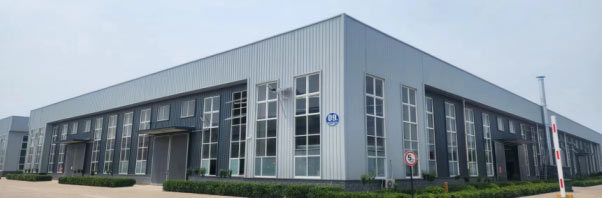
Specializing in the production of aircraft wheel chocks, rubber parts, silicone fluororubber products, waterstop, carrier rollers, conveyor belts, polyurethane accessories, nylon plastic parts, high-pressure oil pipes, metal hoses, various rubber strips, rubber wheels, wheel heat exchanger pads, etc.
Quick Link
Contact Info
ADDRESS:
Workshop 9, Wanxiang Equipment Industrial Park, Wuyi County, Hengshui City, Hebei Province, China
E-mail:


