Zhuo'er Rubber & Plastic Product Co., Ltd




Rubber Wheel Block – Essential Safety Device for Vehicle Stability
Pubdate:
2025-11-20

A Rubber Wheel Block, also known as a wheel chock, is an essential safety accessory designed to prevent vehicles from rolling unintentionally when parked or during maintenance. These devices are widely used in residential, commercial, and industrial settings, providing a reliable solution to enhance safety for drivers, mechanics, and equipment operators. The primary function of a rubber wheel block is to stabilize a vehicle by securely holding its wheels in place, thereby reducing the risk of accidents, property damage, or personal injury caused by unexpected movement.
Rubber wheel blocks are typically constructed from high-quality, heavy-duty rubber materials, which offer durability, resistance to environmental factors, and excellent grip on various surfaces such as asphalt, concrete, gravel, or dirt. The wedge-shaped design allows the block to fit snugly against a tire, creating friction that prevents the vehicle from moving. Many models feature textured surfaces or ridges to increase traction and stability further, ensuring that even heavy trucks, trailers, or industrial machinery remain secure during stationary periods.
These wheel blocks are available in various sizes and load capacities to accommodate different types of vehicles, from personal cars and motorcycles to large trucks, buses, and construction equipment. The choice of size and design depends on factors such as tire diameter, vehicle weight, and intended usage environment. For example, larger rubber wheel blocks are ideal for heavy-duty trucks or trailers, providing extra stability, while smaller blocks are sufficient for cars, motorcycles, or lightweight vehicles.
In addition to their primary safety function, rubber wheel blocks offer practical benefits. They are lightweight and portable, making them easy to position, store, and transport. Many designs include built-in handles or holes, allowing for convenient handling and quick placement during parking, maintenance, or loading operations. The material’s resilience ensures long-lasting performance, withstanding repeated pressure and exposure to weather, chemicals, and UV radiation without cracking or deforming.
Rubber wheel blocks are commonly used in garages, workshops, loading docks, airports, construction sites, and roadside parking areas. In workshops or during maintenance, they provide a critical safety measure when vehicles are lifted on jacks or ramps, preventing accidental rolling. In industrial settings, they help stabilize heavy machinery or trailers during loading and unloading processes, reducing the risk of accidents. Even in residential applications, a rubber wheel block can enhance safety when parking on inclined driveways or uneven surfaces.
Safety guidelines recommend placing rubber wheel blocks on the downhill side of the wheel for vehicles on a slope, ensuring maximum effectiveness. In dual-wheel setups, blocks may be used on both wheels to provide additional security. For added safety, some blocks come with reflective strips or bright colors, improving visibility in low-light conditions or busy environments.
Overall, rubber wheel blocks are a simple yet highly effective tool to prevent vehicle movement and enhance safety in multiple settings. Their durable construction, superior traction, and ease of use make them indispensable for drivers, mechanics, and industrial operators. By incorporating rubber wheel blocks into routine parking or maintenance procedures, individuals and organizations can significantly reduce the risk of accidents, protect property, and ensure the safety of personnel around stationary vehicles.
Recommended Reading
The Evolution of Rubber Wheel Stops in Traffic Safety
The Evolution of Rubber Wheel Stops in Traffic Safety Introduction: The Importance of Traffic Safety Devices Traffic safety is a critical aspect of urban planning and road management. Among the various tools employed to enhance safety on roadways, rubber wheel stops stand out as essential devices designed to prevent vehicle overrun and facilitate safe parking. Their evolution reflects a broader un
Understanding Silicone Gaskets: Essential Components for Automotive Engine Systems
Silicone gaskets are an integral part of automotive engine systems, designed to ensure proper sealing between various engine components. Their unique properties make them a popular choice in the automotive industry, particularly for applications that require durability and resilience under extreme conditions. One of the primary advantages of silicone gaskets is their exceptional temperature resist
Common Mistakes to Avoid When Using Wheel Chocks: A Comprehensive Guide
Common Mistakes to Avoid When Using Wheel Chocks: A Comprehensive Guide Understanding Wheel Chocks and Their Importance in Vehicle Safety Wheel chocks are crucial safety devices designed to prevent vehicles from rolling when parked on an incline or when working on them. Their primary function is to provide stability, ensuring that vehicles remain stationary. However, improper use can lead to dange
Understanding Aircraft Wheel Chocks: Essential Safety Devices for Aviation
Aircraft wheel chocks are designed to prevent aircraft from rolling when parked or during maintenance operations. These sturdy blocks are positioned against the wheels of an aircraft to secure it in place, ensuring safety for both the aircraft and personnel working around it. Understanding the functionality and importance of wheel chocks is crucial for anyone involved in aviation operations or saf
Polyurethane Scrapers vs. Traditional Materials: Which is Better for Safety?
Polyurethane Scrapers vs. Traditional Materials: Which is Better for Safety? Table of Contents 1. Introduction to Safety Equipment Materials 2. Understanding Polyurethane Scrapers 3. Traditional Materials in Safety Equipment 4. Advantages of Polyurethane Scrapers for Safety 5. Disadvantages of Polyurethane Scrapers 6. Benefits of Traditional Materials 7. Drawbacks of T
Understanding Rubber Butterfly Valves: Essential Components for Traffic Safety Devices
Rubber butterfly valves are vital components in various applications, particularly within the automotive and transportation safety equipment sectors. These valves operate using a circular disc that rotates within the flow of a medium—typically liquids or gases—allowing for easy regulation of the flow. The “rubber” aspect pertains to the sealing materials used in the valve's construction, offering
Company Profile
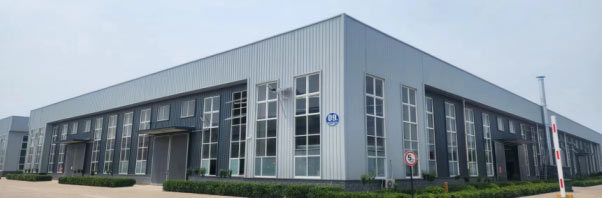
Specializing in the production of aircraft wheel chocks, rubber parts, silicone fluororubber products, waterstop, carrier rollers, conveyor belts, polyurethane accessories, nylon plastic parts, high-pressure oil pipes, metal hoses, various rubber strips, rubber wheels, wheel heat exchanger pads, etc.
Quick Link
Contact Info
ADDRESS:
Workshop 9, Wanxiang Equipment Industrial Park, Wuyi County, Hengshui City, Hebei Province, China
E-mail:


