Zhuo'er Rubber & Plastic Product Co., Ltd



Polyurethane Scrapers vs. Traditional Materials: Which is Better for Safety?
Pubdate:
2026-10-03

Polyurethane Scrapers vs. Traditional Materials: Which is Better for Safety?
Table of Contents
- 1. Introduction to Safety Equipment Materials
- 2. Understanding Polyurethane Scrapers
- 3. Traditional Materials in Safety Equipment
- 4. Advantages of Polyurethane Scrapers for Safety
- 5. Disadvantages of Polyurethane Scrapers
- 6. Benefits of Traditional Materials
- 7. Drawbacks of Traditional Materials
- 8. Real-World Applications: When to Use Each Material
- 9. Conclusion: Making the Right Choice for Safety
- 10. Frequently Asked Questions
1. Introduction to Safety Equipment Materials
In the realm of safety equipment, choosing the right materials is crucial. Safety equipment serves as the first line of defense against hazards that workers face across various industries. Among the vast array of materials available, **polyurethane** and **traditional materials** such as rubber and metal often become the focal point of debates regarding effectiveness and safety. This article delves into the comparison between **polyurethane scrapers** and **traditional materials**, scrutinizing their safety features, durability, cost-effectiveness, and overall performance.
2. Understanding Polyurethane Scrapers
Polyurethane scrapers have emerged as a modern alternative to traditional scraping materials. **Polyurethane** is a synthetic material known for its flexibility, durability, and resistance to wear and tear. These scrapers are extensively used in various applications, including industrial cleaning and surface preparation. Polyurethane's unique chemical composition allows it to withstand harsh environmental conditions without compromising safety.
Properties of Polyurethane Scrapers
- **Durability**: Polyurethane scrapers can endure heavy-duty tasks without deteriorating, making them ideal for rigorous environments.
- **Flexibility**: The material's flexibility enables it to conform to different surfaces, enhancing the scraping effectiveness.
- **Chemical Resistance**: Polyurethane is resistant to many chemicals, making it suitable for industries where exposure to solvents and acids is common.
- **Reduced Noise**: These scrapers produce less noise during operation compared to traditional materials, contributing to a more comfortable working environment.
3. Traditional Materials in Safety Equipment
Traditional materials used in safety equipment include rubber, metal, and plastics. Each material has its own set of advantages and disadvantages. In safety applications, these materials have been the go-to choices for years, relying on their proven track record.
Common Types of Traditional Materials
- **Rubber**: Known for its elasticity and shock-absorbing capabilities, rubber is often utilized in various safety equipment applications.
- **Metal**: Metals like steel and aluminum provide structural strength and durability, making them a staple in safety equipment.
- **Plastic**: Lightweight and cost-effective, plastic materials are commonly used for various safety components, although they may lack the durability required in harsher conditions.
4. Advantages of Polyurethane Scrapers for Safety
Polyurethane scrapers are gaining popularity due to their unique advantages, particularly in terms of safety.
Enhanced Performance and Efficiency
Polyurethane scrapers excel at removing debris and contaminants, ensuring surfaces remain safe and clean. Their superior flexibility allows them to access hard-to-reach areas, enhancing overall efficiency in cleaning tasks.
Improved Worker Safety
With their softer edges and shock-absorbing properties, polyurethane scrapers reduce the risk of injury during use. They minimize the potential for slips and falls, contributing to a safer working environment.
Cost-Effectiveness Over Time
While the initial investment in polyurethane scrapers may be higher than traditional materials, their long lifespan and reduced need for replacements can lead to significant cost savings in the long run.
5. Disadvantages of Polyurethane Scrapers
Despite their numerous advantages, polyurethane scrapers are not without drawbacks.
Higher Initial Costs
The production of polyurethane scrapers can be more expensive than traditional materials, leading to higher upfront costs for businesses.
Temperature Sensitivity
Polyurethane can degrade under extreme temperatures, limiting its effectiveness in certain applications.
6. Benefits of Traditional Materials
Traditional materials have stood the test of time, providing their own set of benefits.
Proven Reliability
Traditional materials have a long history of use, offering reliable performance in many industrial applications.
Lower Initial Costs
The initial cost of traditional materials is generally lower, making them more accessible for businesses with tight budgets.
Wide Availability
Traditional materials are widely available, ensuring that businesses can easily source replacements and spare parts as needed.
7. Drawbacks of Traditional Materials
However, traditional materials also have several limitations that can impact their safety performance.
Reduced Durability
Many traditional materials may not endure the same level of wear and tear as polyurethane, leading to more frequent replacements.
Limited Flexibility
Traditional materials can be rigid, which may limit their effectiveness in certain applications where flexibility is essential.
8. Real-World Applications: When to Use Each Material
Understanding when to use polyurethane scrapers versus traditional materials is critical for optimizing safety.
Best Applications for Polyurethane Scrapers
- **Food Processing**: In environments where hygiene is paramount, the chemical resistance of polyurethane makes it an ideal choice.
- **Heavy Industry**: The durability of polyurethane scrapers allows them to withstand rigorous cleaning tasks in industrial settings.
Ideal Scenarios for Traditional Materials
- **General Maintenance**: For everyday tasks that do not require extensive durability or chemical resistance, traditional materials may suffice.
- **Cost-Sensitive Projects**: In budget-constrained situations, traditional materials can provide a viable, cost-effective solution.
9. Conclusion: Making the Right Choice for Safety
Choosing between polyurethane scrapers and traditional materials involves weighing the advantages and disadvantages each brings to the table. Polyurethane scrapers offer enhanced performance, improved worker safety, and long-term cost efficiency, making them a compelling choice for many industries. Conversely, traditional materials may appeal to those seeking lower initial costs and proven reliability. Ultimately, the decision should align with specific operational needs and safety considerations.
10. Frequently Asked Questions
1. Are polyurethane scrapers more expensive than traditional scrapers?
Yes, the initial cost of polyurethane scrapers is generally higher, but they often lead to cost savings over time due to their durability.
2. Can polyurethane scrapers be used in extreme temperatures?
Polyurethane scrapers may degrade under extreme temperatures, so it’s essential to consider the specific conditions of your application.
3. What are the safety benefits of using polyurethane scrapers?
Polyurethane scrapers have softer edges that reduce the risk of injury and provide better shock absorption, enhancing worker safety.
4. When should I use traditional materials over polyurethane scrapers?
Traditional materials are suitable for general maintenance tasks or budget-sensitive projects, where extreme durability is not a primary concern.
5. How do I maintain polyurethane scrapers for longevity?
Regular cleaning and proper storage away from extreme temperatures will help maintain the performance and extend the lifespan of polyurethane scrapers.
Recommended Reading
Polyurethane Scrapers vs. Traditional Materials: Which is Better for Safety?
Polyurethane Scrapers vs. Traditional Materials: Which is Better for Safety? Table of Contents 1. Introduction to Safety Equipment Materials 2. Understanding Polyurethane Scrapers 3. Traditional Materials in Safety Equipment 4. Advantages of Polyurethane Scrapers for Safety 5. Disadvantages of Polyurethane Scrapers 6. Benefits of Traditional Materials 7. Drawbacks of T
Understanding Rubber Butterfly Valves: Essential Components for Traffic Safety Devices
Rubber butterfly valves are vital components in various applications, particularly within the automotive and transportation safety equipment sectors. These valves operate using a circular disc that rotates within the flow of a medium—typically liquids or gases—allowing for easy regulation of the flow. The “rubber” aspect pertains to the sealing materials used in the valve's construction, offering
How Rubber Wheel Stops Help Manage Traffic Flow Efficiently
How Rubber Wheel Stops Help Manage Traffic Flow Efficiently Table of Contents 1. Introduction to Rubber Wheel Stops 2. Understanding Traffic Flow Management 3. The Role of Rubber Wheel Stops in Traffic Safety 4. Key Benefits of Using Rubber Wheel Stops 4.1 Enhanced Safety in Parking Areas 4.2 Improved Space Utilization 4.3 Durability and Cost-Effectiveness 5. How to Install Rubber Wheel Stops Effe
Understanding Silicone Gaskets: Essential Components for Automotive Engine Systems
Silicone gaskets are vital components in automotive engine systems, especially when it comes to sealing various parts within the engine. Their unique properties make them ideal for high-temperature and high-pressure environments, which are common in automotive applications. Understanding their benefits, applications, and maintenance can help automotive professionals and enthusiasts alike ensure op
Wheel Chocks in Extreme Conditions: Essential Considerations for Safety and Performance
Wheel Chocks in Extreme Conditions: Essential Considerations for Safety and Performance Table of Contents Understanding Wheel Chocks: Basics and Functions The Importance of Wheel Chocks in Extreme Conditions Material Selection: Choosing the Right Wheel Chock Safety Standards and Certifications for Wheel Chocks Proper Usage Techniques for Wheel Chocks Maintenance and Inspec
The Essential Guide to Aircraft Wheel Chocks: Enhancing Safety in Aviation
Aircraft wheel chocks are essential safety devices used to secure aircraft in place when they are parked or undergoing loading and unloading. Their primary function is to prevent accidental movement, ensuring both personnel and equipment are safe from potential hazards. Understanding the significance of wheel chocks is vital for professionals in the aviation and transportation safety sectors. Ther
Company Profile
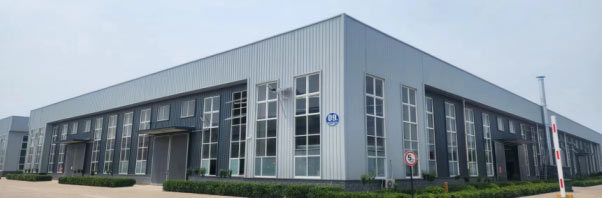
Specializing in the production of aircraft wheel chocks, rubber parts, silicone fluororubber products, waterstop, carrier rollers, conveyor belts, polyurethane accessories, nylon plastic parts, high-pressure oil pipes, metal hoses, various rubber strips, rubber wheels, wheel heat exchanger pads, etc.
Quick Link
Contact Info
ADDRESS:
Workshop 9, Wanxiang Equipment Industrial Park, Wuyi County, Hengshui City, Hebei Province, China
E-mail:


