Zhuo'er Rubber & Plastic Product Co., Ltd




The Evolution of Rubber Wheel Stops in Traffic Safety
Pubdate:
2026-10-15

The Evolution of Rubber Wheel Stops in Traffic Safety
Introduction: The Importance of Traffic Safety Devices
Traffic safety is a critical aspect of urban planning and road management. Among the various tools employed to enhance safety on roadways, rubber wheel stops stand out as essential devices designed to prevent vehicle overrun and facilitate safe parking. Their evolution reflects a broader understanding of traffic dynamics and safety measures. In this article, we will explore the history, design advancements, and significance of rubber wheel stops in improving traffic safety.
A Brief History of Traffic Management Practices
Understanding the evolution of rubber wheel stops necessitates a look back at traffic management practices over the years. Before the advent of modern traffic safety devices, vehicles were often parked haphazardly, leading to numerous accidents and injuries. Early attempts to manage parking involved simple barriers and markings, but these solutions were insufficient in preventing vehicle overrun.
The Emergence of Wheel Stops in the Mid-20th Century
The mid-20th century marked a turning point in the development of traffic safety devices. As urban areas expanded and vehicle ownership surged, the need for efficient parking solutions became apparent. It was during this time that rubber wheel stops were first introduced. Made from durable rubber, these stops provided a flexible and effective way to guide vehicles into designated parking spaces while preventing overrun.
Design Innovations in Rubber Wheel Stops
Rubber wheel stops have evolved significantly since their inception. Early designs were basic in structure, but today’s models offer a variety of features aimed at enhancing their effectiveness and safety.
Material Advancements: From Basic Rubber to High-Performance Composites
Initially made from standard rubber, modern wheel stops often incorporate high-performance composites that provide greater durability and resistance to wear and tear. These materials can withstand extreme weather conditions, UV exposure, and heavy traffic loads, ensuring longevity and reliability.
Color and Visibility Enhancements
Another area of progress is the enhancement of color and visibility. Many contemporary rubber wheel stops feature bright, reflective colors that improve their visibility, especially in low-light conditions. Some models even include reflective strips or paint, making them more noticeable to drivers and thereby reducing the likelihood of accidents.
Design Considerations for Different Environments
Today's rubber wheel stops are designed to suit a variety of environments, ranging from commercial parking lots to residential areas. They can be customized in size and shape to accommodate different vehicle types and parking configurations. Specific designs cater to heavy-duty applications, while others are tailored for lightweight vehicles, ensuring optimal safety across all environments.
The Impact of Rubber Wheel Stops on Traffic Safety
Rubber wheel stops play a crucial role in enhancing traffic safety in various ways.
Preventing Vehicle Overrun and Damage
One of the primary functions of rubber wheel stops is to prevent vehicle overrun, which can lead to property damage or injury. By providing a physical barrier, they ensure that vehicles remain within designated parking areas.
Facilitating Safe Parking Practices
Rubber wheel stops also promote safe parking practices. Their presence encourages drivers to park within defined boundaries, helping to maintain organized parking layouts and reduce congestion. This organization significantly improves traffic flow and minimizes the risk of collisions in parking areas.
Enhancing Pedestrian Safety
In addition to their benefits for vehicles, rubber wheel stops enhance pedestrian safety. By clearly marking where vehicles should stop, they help protect pedestrians from being accidentally struck by reversing vehicles. This is particularly important in crowded urban environments where foot traffic is high.
Regulatory Standards and Best Practices
As rubber wheel stops have become standard in traffic safety management, regulatory organizations have established guidelines and standards for their use.
Understanding Local and National Regulations
It is essential for municipalities and businesses to be aware of local and national regulations regarding the installation and use of rubber wheel stops. These regulations often specify dimensions, materials, and placement to ensure maximum safety and compliance.
Best Practices for Installation and Maintenance
Proper installation and maintenance of rubber wheel stops are crucial for their effectiveness. Following best practices, such as secure anchoring and regular inspections, can extend the lifespan of these devices and ensure they function as intended.
Case Studies: Successful Implementation of Rubber Wheel Stops
Examining successful implementations of rubber wheel stops can provide valuable insights into their benefits.
Urban Parking Lots: A Success Story
In a metropolitan city, the introduction of rubber wheel stops in busy parking lots resulted in a significant decrease in accidents. By clearly defining parking spaces and preventing overrun, the city experienced improved traffic flow and enhanced pedestrian safety.
Commercial Establishments: Enhancing Customer Experience
Many commercial establishments have adopted rubber wheel stops to improve customer parking experiences. By providing clear guidance and safety for vehicles, businesses have seen an increase in customer satisfaction and a reduction in property damage claims.
Future Trends in Rubber Wheel Stops and Traffic Safety
As technology continues to evolve, so too will the design and functionality of rubber wheel stops.
Smart Technology Integration
The future may see the integration of smart technology in rubber wheel stops. Sensors could provide real-time data on parking space availability, alerting drivers and optimizing parking efficiency. This innovation could further enhance traffic management systems.
Eco-Friendly Materials and Sustainability Initiatives
With increasing awareness of environmental issues, there is a growing trend towards using eco-friendly materials in rubber wheel stop production. Manufacturers are exploring sustainable options that reduce environmental impact while maintaining durability and performance.
FAQs About Rubber Wheel Stops and Traffic Safety
What are rubber wheel stops made of?
Rubber wheel stops are typically made of high-performance rubber or composite materials designed to withstand various weather conditions and heavy traffic loads.
How do rubber wheel stops improve traffic safety?
They prevent vehicle overrun, promote organized parking, and enhance pedestrian safety by clearly marking designated parking areas.
Are there regulations governing the use of rubber wheel stops?
Yes, both local and national regulations dictate the dimensions, materials, and installation practices for rubber wheel stops to ensure safety and compliance.
What maintenance is required for rubber wheel stops?
Maintenance includes regular inspections for wear and tear, ensuring they are securely anchored, and cleaning to maintain visibility.
Can rubber wheel stops be customized for specific environments?
Absolutely! Rubber wheel stops can be designed in various sizes and shapes to accommodate different vehicles and parking configurations.
Conclusion
The evolution of rubber wheel stops has significantly impacted traffic safety, offering a robust solution for managing vehicle parking and preventing accidents. As we look toward the future, continued innovation in design and materials will ensure that these essential devices remain at the forefront of traffic safety management. By understanding their historical context, design advancements, and regulatory frameworks, we can appreciate the vital role rubber wheel stops play in creating safer roadways for everyone.
Recommended Reading
The Evolution of Rubber Wheel Stops in Traffic Safety
The Evolution of Rubber Wheel Stops in Traffic Safety Introduction: The Importance of Traffic Safety Devices Traffic safety is a critical aspect of urban planning and road management. Among the various tools employed to enhance safety on roadways, rubber wheel stops stand out as essential devices designed to prevent vehicle overrun and facilitate safe parking. Their evolution reflects a broader un
Understanding Silicone Gaskets: Essential Components for Automotive Engine Systems
Silicone gaskets are an integral part of automotive engine systems, designed to ensure proper sealing between various engine components. Their unique properties make them a popular choice in the automotive industry, particularly for applications that require durability and resilience under extreme conditions. One of the primary advantages of silicone gaskets is their exceptional temperature resist
Common Mistakes to Avoid When Using Wheel Chocks: A Comprehensive Guide
Common Mistakes to Avoid When Using Wheel Chocks: A Comprehensive Guide Understanding Wheel Chocks and Their Importance in Vehicle Safety Wheel chocks are crucial safety devices designed to prevent vehicles from rolling when parked on an incline or when working on them. Their primary function is to provide stability, ensuring that vehicles remain stationary. However, improper use can lead to dange
Understanding Aircraft Wheel Chocks: Essential Safety Devices for Aviation
Aircraft wheel chocks are designed to prevent aircraft from rolling when parked or during maintenance operations. These sturdy blocks are positioned against the wheels of an aircraft to secure it in place, ensuring safety for both the aircraft and personnel working around it. Understanding the functionality and importance of wheel chocks is crucial for anyone involved in aviation operations or saf
Polyurethane Scrapers vs. Traditional Materials: Which is Better for Safety?
Polyurethane Scrapers vs. Traditional Materials: Which is Better for Safety? Table of Contents 1. Introduction to Safety Equipment Materials 2. Understanding Polyurethane Scrapers 3. Traditional Materials in Safety Equipment 4. Advantages of Polyurethane Scrapers for Safety 5. Disadvantages of Polyurethane Scrapers 6. Benefits of Traditional Materials 7. Drawbacks of T
Understanding Rubber Butterfly Valves: Essential Components for Traffic Safety Devices
Rubber butterfly valves are vital components in various applications, particularly within the automotive and transportation safety equipment sectors. These valves operate using a circular disc that rotates within the flow of a medium—typically liquids or gases—allowing for easy regulation of the flow. The “rubber” aspect pertains to the sealing materials used in the valve's construction, offering
Company Profile
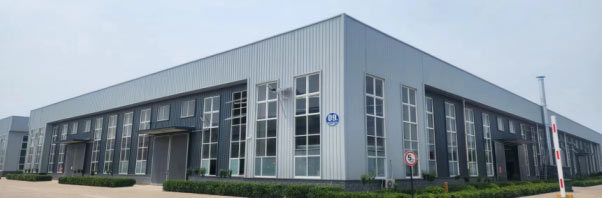
Specializing in the production of aircraft wheel chocks, rubber parts, silicone fluororubber products, waterstop, carrier rollers, conveyor belts, polyurethane accessories, nylon plastic parts, high-pressure oil pipes, metal hoses, various rubber strips, rubber wheels, wheel heat exchanger pads, etc.
Quick Link
Contact Info
ADDRESS:
Workshop 9, Wanxiang Equipment Industrial Park, Wuyi County, Hengshui City, Hebei Province, China
E-mail:


