Zhuo'er Rubber & Plastic Product Co., Ltd




Why Your Facility Needs Durable Rubber Wheel Stops: Enhancing Safety and Efficiency
Pubdate:
2025-10-10

Why Your Facility Needs Durable Rubber Wheel Stops
Introduction: The Importance of Safety in Facility Management
In the modern world, safety is paramount in any facility, whether it be a parking lot, warehouse, or industrial site. One often-overlooked component of safety management is the installation of durable rubber wheel stops. These essential traffic control devices serve not just as a barrier for vehicles, but as a proactive measure to prevent accidents and ensure smooth operations.
Understanding Rubber Wheel Stops
Rubber wheel stops are solid, heavy-duty blocks typically installed at the front of parking spaces. Their primary function is to prevent vehicles from rolling too far forward, protecting both the vehicle and surrounding property. Made from high-quality, durable rubber, these stops offer numerous advantages over traditional concrete or metal alternatives.
The Composition of Durable Rubber Wheel Stops
Durable rubber wheel stops are crafted from recycled materials, making them an eco-friendly option. The composition allows them to withstand harsh weather conditions, UV exposure, and heavy loads without cracking or deteriorating. This robustness ensures longevity and reliability in various environments.
Key Features of Rubber Wheel Stops
- **High Visibility**: Many rubber wheel stops come with reflective strips to enhance visibility, especially in low-light conditions.
- **Easy Installation**: Unlike concrete stops, rubber wheel stops can easily be installed using simple tools and minimal labor.
- **Versatility**: These stops can be used in various settings, including commercial parking lots, residential areas, and industrial spaces.
Benefits of Using Durable Rubber Wheel Stops
Choosing durable rubber wheel stops for your facility has multiple benefits that contribute to a safer and more efficient environment.
1. Enhanced Safety for Vehicles and Pedestrians
Rubber wheel stops prevent vehicles from encroaching on pedestrian walkways. They serve as a physical barrier, reducing the risk of collisions and enhancing overall safety.
2. Protection Against Property Damage
By stopping vehicles at designated points, rubber wheel stops help prevent damage to property such as barriers, light poles, and landscaping. This protection can save facilities significant costs in repairs and replacements.
3. Improved Traffic Flow
Well-placed wheel stops can help organize vehicle parking and movement, streamlining traffic flow. This organization reduces congestion, leading to more efficient operations.
4. Cost-Effective Solution
The durability of rubber wheel stops means they require less frequent replacement compared to traditional materials. Over time, this can result in significant cost savings for facility management.
Installation of Rubber Wheel Stops
The installation process for rubber wheel stops is relatively straightforward, making it accessible for facilities aiming to enhance safety without extensive downtime.
Step-by-Step Installation Guide
- **Site Assessment**: Evaluate the area where you plan to install the wheel stops. Identify high-traffic zones and areas requiring vehicle restraint.
- **Marking the Placement**: Use chalk or paint to mark where the wheel stops will be placed. Ensure they align correctly with designated parking spaces.
- **Securing the Stops**: Most rubber wheel stops can be anchored into the ground using bolts or adhesive. Follow the manufacturer’s instructions for the best results.
- **Quality Check**: After installation, test the stops to ensure they are secure and positioned correctly.
Tools and Materials Needed
Before beginning the installation, gather the necessary tools such as a drill, bolts, and a measuring tape. Having everything ready will streamline the process and ensure an efficient setup.
Maintenance of Rubber Wheel Stops
To maximize the lifespan of rubber wheel stops, routine maintenance is essential.
Regular Cleaning and Inspections
- **Cleaning**: Regularly wash the wheel stops with soap and water to remove dirt and debris. This prevents them from becoming less visible over time.
- **Inspection**: Check for signs of wear and tear, including cracks or loose fittings. Addressing these issues promptly can extend the life of the stops.
Seasonal Considerations
In regions with harsh winters, inspect the wheel stops for damage caused by snow removal equipment. Additionally, ensure that reflective strips are intact and visible during darker months.
Case Studies: Successful Implementation of Rubber Wheel Stops
Implementing durable rubber wheel stops can lead to significant improvements in safety and efficiency.
1. Retail Parking Lots
A large retail chain reported a 30% reduction in minor accidents due to the installation of rubber wheel stops in their parking lots. Enhanced pedestrian safety and improved traffic organization were noticeable benefits.
2. Industrial Facilities
An industrial site that implemented rubber wheel stops around loading docks noted a decrease in property damage and improved loading efficiency, thanks to better traffic management.
Common Misconceptions About Rubber Wheel Stops
Despite their numerous benefits, misconceptions about rubber wheel stops persist.
Misconception 1: They are Less Durable Than Concrete
While concrete is traditionally seen as a robust material, high-quality rubber wheel stops are engineered to withstand significant wear and tear, often lasting just as long, if not longer.
Misconception 2: Installation is Complicated
Many assume that installing rubber wheel stops requires professional help. With the right tools and a straightforward process, most facilities can handle installation in-house.
FAQs About Rubber Wheel Stops
1. How long do rubber wheel stops last?
Durable rubber wheel stops can last for several years, often up to a decade, depending on usage and environmental conditions.
2. Are rubber wheel stops environmentally friendly?
Yes, many rubber wheel stops are made from recycled materials, making them a sustainable choice for facilities.
3. Can rubber wheel stops be painted?
Yes, they can be painted for enhanced visibility, although it's essential to use paint suitable for rubber materials.
4. Do rubber wheel stops require special maintenance?
Regular cleaning and periodic inspections are generally sufficient to maintain rubber wheel stops effectively.
5. Are rubber wheel stops effective in snowy conditions?
Yes, rubber wheel stops maintain their effectiveness in snowy conditions, provided they are installed correctly and inspected regularly.
Conclusion: The Smart Choice for Facility Safety
In conclusion, investing in durable rubber wheel stops is a proactive step toward enhancing safety and efficiency in any facility. Their robustness, ease of installation, and cost-effectiveness make them an ideal choice for managing vehicular traffic while protecting pedestrians and property alike. By understanding their advantages and proper maintenance, facility managers can create a safer environment for everyone involved. Make the smart choice today and consider the integration of durable rubber wheel stops into your safety strategy.
Recommended Reading
The Evolution of Rubber Wheel Stops in Traffic Safety
The Evolution of Rubber Wheel Stops in Traffic Safety Introduction: The Importance of Traffic Safety Devices Traffic safety is a critical aspect of urban planning and road management. Among the various tools employed to enhance safety on roadways, rubber wheel stops stand out as essential devices designed to prevent vehicle overrun and facilitate safe parking. Their evolution reflects a broader un
Understanding Silicone Gaskets: Essential Components for Automotive Engine Systems
Silicone gaskets are an integral part of automotive engine systems, designed to ensure proper sealing between various engine components. Their unique properties make them a popular choice in the automotive industry, particularly for applications that require durability and resilience under extreme conditions. One of the primary advantages of silicone gaskets is their exceptional temperature resist
Common Mistakes to Avoid When Using Wheel Chocks: A Comprehensive Guide
Common Mistakes to Avoid When Using Wheel Chocks: A Comprehensive Guide Understanding Wheel Chocks and Their Importance in Vehicle Safety Wheel chocks are crucial safety devices designed to prevent vehicles from rolling when parked on an incline or when working on them. Their primary function is to provide stability, ensuring that vehicles remain stationary. However, improper use can lead to dange
Understanding Aircraft Wheel Chocks: Essential Safety Devices for Aviation
Aircraft wheel chocks are designed to prevent aircraft from rolling when parked or during maintenance operations. These sturdy blocks are positioned against the wheels of an aircraft to secure it in place, ensuring safety for both the aircraft and personnel working around it. Understanding the functionality and importance of wheel chocks is crucial for anyone involved in aviation operations or saf
Polyurethane Scrapers vs. Traditional Materials: Which is Better for Safety?
Polyurethane Scrapers vs. Traditional Materials: Which is Better for Safety? Table of Contents 1. Introduction to Safety Equipment Materials 2. Understanding Polyurethane Scrapers 3. Traditional Materials in Safety Equipment 4. Advantages of Polyurethane Scrapers for Safety 5. Disadvantages of Polyurethane Scrapers 6. Benefits of Traditional Materials 7. Drawbacks of T
Understanding Rubber Butterfly Valves: Essential Components for Traffic Safety Devices
Rubber butterfly valves are vital components in various applications, particularly within the automotive and transportation safety equipment sectors. These valves operate using a circular disc that rotates within the flow of a medium—typically liquids or gases—allowing for easy regulation of the flow. The “rubber” aspect pertains to the sealing materials used in the valve's construction, offering
Company Profile
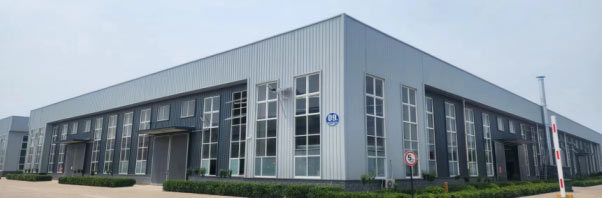
Specializing in the production of aircraft wheel chocks, rubber parts, silicone fluororubber products, waterstop, carrier rollers, conveyor belts, polyurethane accessories, nylon plastic parts, high-pressure oil pipes, metal hoses, various rubber strips, rubber wheels, wheel heat exchanger pads, etc.
Quick Link
Contact Info
ADDRESS:
Workshop 9, Wanxiang Equipment Industrial Park, Wuyi County, Hengshui City, Hebei Province, China
E-mail:


