Zhuo'er Rubber & Plastic Product Co., Ltd




The Essential Role of Rubber Wheel Stops in Ensuring Emergency Vehicle Access
Pubdate:
2026-08-04

The Essential Role of Rubber Wheel Stops in Ensuring Emergency Vehicle Access
Understanding Rubber Wheel Stops
Rubber wheel stops are crucial components in traffic management and parking solutions. Designed to prevent vehicles from overshooting parking spaces, they play an essential role in maintaining order and safety in various environments. These stops are particularly significant in areas where emergency vehicle access is critical.
What Are Rubber Wheel Stops?
Rubber wheel stops, also known as curb stops or parking blocks, are typically made from durable rubber material. They are designed to provide a physical barrier that prevents vehicles from exceeding designated boundaries. Their visibility and durability make them an essential tool for traffic control and safety.
Key Features of Rubber Wheel Stops
- **Durability**: Made from high-quality rubber, these stops can withstand harsh weather and heavy vehicle traffic.
- **Visibility**: Bright colors and reflective strips enhance visibility, especially at night or in low-light conditions.
- **Ease of Installation**: Rubber wheel stops can be easily installed without the need for expensive equipment or extensive labor.
The Importance of Emergency Vehicle Access
In emergency situations, timely access for emergency vehicles can mean the difference between life and death. Fire trucks, ambulances, and police cars require clear pathways to navigate through urban and suburban areas efficiently.
Challenges Faced by Emergency Vehicles
Emergency vehicles often encounter various obstacles that hinder their ability to respond quickly. Common challenges include:
- **Obstructed Pathways**: Illegally parked vehicles can block access routes.
- **Narrow Streets**: In densely populated areas, narrow streets may restrict movement.
- **Poor Parking Management**: Ineffective parking solutions can lead to congestion and chaos during emergencies.
How Rubber Wheel Stops Mitigate These Issues
Rubber wheel stops serve as a preventive measure against obstructions. By clearly marking parking boundaries, they discourage improper parking practices that could impede emergency vehicle access.
Design and Functionality of Rubber Wheel Stops
The design of rubber wheel stops is meticulously planned to maximize their effectiveness. Understanding their construction and functionality can provide insights into their role in safety and emergency response.
Construction Materials and Design Elements
Rubber wheel stops are made from recycled rubber and are designed to be environmentally friendly. The materials are chosen for their ability to withstand heavy loads and harsh environmental conditions. Key design elements include:
- **Weight**: Heavy enough to stay in place, preventing movement caused by vehicles.
- **Shape**: Often molded into a sloped design, allowing vehicles to park smoothly without damaging the stop.
- **Color**: Bright colors (usually yellow or white) enhance visibility.
Installation Guidelines for Optimal Effectiveness
Effective installation of rubber wheel stops is crucial for their performance. Proper placement ensures that they serve their intended purpose without causing accidents. Key considerations include:
- **Positioning**: They should be placed at the end of parking spaces to prevent vehicles from rolling over.
- **Spacing**: Adequate spacing between each stop is necessary for larger vehicles like trucks and SUVs to park without obstruction.
- **Anchoring**: Using bolts or other securing methods to prevent movement during use.
Benefits of Rubber Wheel Stops for Emergency Vehicle Access
Rubber wheel stops provide several significant benefits that enhance emergency vehicle access.
Improved Traffic Flow
By clearly marking parking boundaries, rubber wheel stops help maintain an organized parking structure, allowing emergency vehicles to navigate through traffic with ease.
Enhanced Safety Features
Their reflective strips and bright colors provide additional safety during low visibility conditions. This helps ensure that emergency vehicles can identify clear paths quickly.
Real-World Applications of Rubber Wheel Stops
Rubber wheel stops find applications in various environments where emergency access is crucial.
Urban Areas and City Streets
In urban settings, where space is limited, rubber wheel stops help manage parking and maintain clear routes for emergency responders. They are particularly useful in high-density areas with frequent parking violations.
Shopping Centers and Large Venues
In shopping centers and venues hosting large crowds, rubber wheel stops are installed to ensure that emergency vehicles can access designated areas swiftly, especially during emergencies that require immediate attention.
Cost-Effectiveness of Rubber Wheel Stops
Investing in rubber wheel stops is a cost-effective solution for enhancing safety and traffic management.
Affordability and Longevity
Rubber wheel stops are relatively inexpensive compared to other traffic management solutions. Their durability ensures that they provide long-term benefits without frequent replacements.
Reduced Liability Risks
By improving traffic flow and emergency access, organizations can potentially reduce liability risks associated with accidents and delays in emergency responses.
Future Trends in Traffic Management and Emergency Access
As urban landscapes continue to evolve, the role of rubber wheel stops will likely expand.
Integration with Smart Technology
Future innovations may include smart rubber wheel stops equipped with sensors to monitor parking violations or alert emergency services about obstructions in real-time.
Increased Public Awareness and Education
Raising awareness about the importance of proper parking practices will further enhance the effectiveness of rubber wheel stops in facilitating emergency access.
FAQs
1. What are the primary materials used to manufacture rubber wheel stops?
Most rubber wheel stops are made from recycled rubber, which provides durability and environmental benefits.
2. How can I ensure rubber wheel stops are installed correctly?
Proper installation involves placing them at the end of parking spaces, ensuring they are secured, and adequately spaced for larger vehicles.
3. Do rubber wheel stops require maintenance?
Generally, rubber wheel stops are low maintenance. However, regular inspections for wear and tear are advisable to ensure they remain effective.
4. Can rubber wheel stops be used in residential areas?
Yes, rubber wheel stops can be effectively utilized in residential areas to manage parking and ensure emergency vehicle access.
5. What makes rubber wheel stops better than concrete options?
Rubber wheel stops are lighter, easier to install, and less prone to cracking and degradation compared to concrete stops.
Conclusion
Rubber wheel stops play an indispensable role in ensuring emergency vehicle access while enhancing overall traffic safety. Their durability, visibility, and ease of installation make them an ideal choice for various environments, including urban streets and commercial complexes. As cities grow and evolve, the relevance of rubber wheel stops will continue to increase, making them critical in managing emergency responses effectively. By understanding their importance and investing in their implementation, we can create safer communities that prioritize timely access for emergency services.
Recommended Reading
The Essential Guide to Aircraft Wheel Chocks: Enhancing Safety in Aviation
Aircraft wheel chocks are essential safety devices used to secure aircraft in place when they are parked or undergoing loading and unloading. Their primary function is to prevent accidental movement, ensuring both personnel and equipment are safe from potential hazards. Understanding the significance of wheel chocks is vital for professionals in the aviation and transportation safety sectors. Ther
Understanding the Functionality of Polyurethane Scrapers in Vehicles
Understanding the Functionality of Polyurethane Scrapers in Vehicles Table of Contents 1. Introduction to Polyurethane Scrapers 2. What Are Polyurethane Scrapers? 3. The Importance of Polyurethane Scrapers in Vehicles 4. Benefits of Using Polyurethane Scrapers 5. Applications of Polyurethane Scrapers in the Automotive Industry 6. Maintenance and Care for Polyurethane Scrap
Understanding the Benefits and Applications of Rubber Butterfly Valves
Rubber butterfly valves are essential components in various industrial applications, particularly in the automotive and traffic safety equipment sectors. These valves are designed to control the flow of fluids and gases, making them a vital part of many systems. Their construction typically consists of a rubber-seated disc that rotates around a shaft, providing effective sealing and regulating cap
Rubber Wheel Block: A Practical Solution for Safer and More Efficient Parking Areas
Best rubber wheel block with customizable size, color, material, and design, offering durable vehicle positioning and reliable parking protection
Rubber Wheel Stops for Residential vs. Commercial Use: Understanding the Key Differences
Rubber Wheel Stops for Residential vs. Commercial Use: Understanding the Key Differences Parking safety is a critical aspect of property management, whether in residential areas or commercial settings. One of the most effective tools for enhancing parking safety is the rubber wheel stop. These simple yet effective devices help prevent vehicles from encroaching on sidewalks, landscaping, or other r
Understanding Silicone Gaskets: Essential Components in Automotive Engine Systems
Silicone gaskets play a crucial role in the automotive engine systems, particularly in sealing applications where durability and thermal resistance are paramount. As a professional in the automotive sector, understanding the properties and benefits of silicone gaskets can significantly enhance your operations and product offerings. Silicone, a synthetic rubber, is well-known for its excellent ther
Company Profile
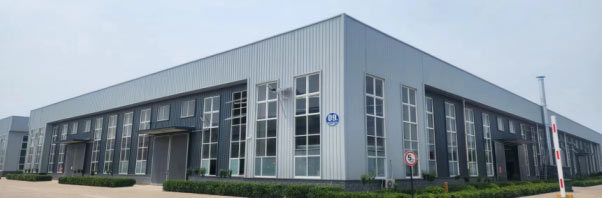
Specializing in the production of aircraft wheel chocks, rubber parts, silicone fluororubber products, waterstop, carrier rollers, conveyor belts, polyurethane accessories, nylon plastic parts, high-pressure oil pipes, metal hoses, various rubber strips, rubber wheels, wheel heat exchanger pads, etc.
Quick Link
Contact Info
ADDRESS:
Workshop 9, Wanxiang Equipment Industrial Park, Wuyi County, Hengshui City, Hebei Province, China
E-mail:


