Zhuo'er Rubber & Plastic Product Co., Ltd




Rubber Wheel Stops: Combining Safety and Durability for Enhanced Traffic Management
Pubdate:
2026-07-17

Introduction to Rubber Wheel Stops: A Comprehensive Overview
Rubber wheel stops are becoming increasingly vital in various environments, from parking lots to commercial properties. These devices are designed to effectively prevent vehicles from going beyond designated boundaries, thereby enhancing safety and providing critical guidance for drivers. As urban landscapes evolve, the emphasis on safety in driving and parking areas has never been more crucial. The durability and functional design of rubber wheel stops make them an ideal choice for ensuring traffic safety.
What Are Rubber Wheel Stops?
Rubber wheel stops are heavy-duty barriers made primarily from recycled rubber. Their primary function is to serve as a stopping point for vehicles in parking lots and other designated areas. Unlike traditional concrete or metal stops, rubber wheel stops offer unique advantages, such as increased flexibility, resistance to wear, and a lightweight structure, allowing for ease of installation and relocation as needed.
The Importance of Traffic Safety Devices
Traffic safety devices, including rubber wheel stops, play a pivotal role in preventing accidents and ensuring orderly vehicle movement. They help delineate parking boundaries, protect pedestrians, and reduce the likelihood of collisions between vehicles. As cities become more crowded and the number of vehicles on the road increases, investing in effective safety devices is essential for maintaining a secure environment for both drivers and pedestrians.
The Advantages of Using Rubber Wheel Stops
When it comes to traffic safety, rubber wheel stops stand out for various reasons. Below are the key benefits associated with their use.
1. Enhanced Durability and Longevity
One of the most significant advantages of rubber wheel stops is their durability. Made from high-quality recycled rubber, these stops are designed to withstand the elements. Unlike concrete, which can crack under pressure, rubber remains resilient, effectively resisting wear and tear over time. This durability translates to lower replacement costs and less frequent maintenance.
2. Lightweight and Easy to Install
Rubber wheel stops are considerably lighter than their concrete counterparts. This characteristic not only facilitates easy transportation but also simplifies the installation process. A single person can often install them without heavy machinery, leading to significant time and labor savings during setup.
3. Environmentally Friendly Choice
With a growing emphasis on sustainability, rubber wheel stops are an eco-friendly option for traffic management. Constructed from recycled materials, they help reduce landfill waste while also promoting the use of sustainable products. Choosing rubber stops over other materials can significantly lower your carbon footprint.
4. Improved Visibility and Safety Features
Many rubber wheel stops come equipped with reflective strips or bright colors that enhance visibility, especially in low-light conditions. This feature is crucial for nighttime safety, as it allows drivers to easily see stopping points, reducing the risk of accidents and enhancing overall safety in parking areas.
How Rubber Wheel Stops Adapt to Different Environments
Rubber wheel stops are versatile solutions that can be adapted to various environments, including:
1. Commercial Parking Lots
In busy commercial parking facilities, rubber wheel stops provide an effective way to manage the flow of traffic and ensure the safety of both vehicles and pedestrians. They help to create clearly defined parking spaces and reduce the likelihood of collisions.
2. Residential Driveways
For residential properties, rubber wheel stops offer homeowners peace of mind by preventing vehicles from encroaching onto gardens or pathways. Their aesthetic design seamlessly blends into the landscape while providing practical benefits.
3. Hospitals and Educational Institutions
High-traffic areas like hospitals and schools require strict traffic management protocols. Rubber wheel stops can help maintain order by directing the traffic flow and ensuring that vehicles remain in designated areas, protecting vulnerable pedestrians.
Installation and Maintenance of Rubber Wheel Stops
Proper installation and maintenance of rubber wheel stops are crucial to their functionality and longevity.
Installation Process
Installation of rubber wheel stops typically involves the following steps:
1. **Site Preparation**: Ensure the installation area is clean and level.
2. **Positioning**: Place the wheel stops in the desired locations according to the parking layout.
3. **Anchoring**: Use appropriate hardware to secure the wheel stops if necessary. Optional adhesive can be used for added stability.
4. **Final Inspection**: Conduct a thorough inspection to ensure the stops are set correctly and are secure.
Maintenance Recommendations
While rubber wheel stops require minimal maintenance, regular inspections are necessary. Check for signs of wear or displacement and ensure that reflective surfaces are clean and visible. A simple wash with soap and water can keep them looking new and functioning well.
Cost-Effectiveness of Rubber Wheel Stops
Investing in rubber wheel stops can be a cost-effective solution for traffic management. Their durability reduces the need for frequent replacements, and their lightweight design cuts down on installation costs. Furthermore, the safety they provide can help prevent costly accidents, which ultimately saves money in liability claims and insurance premiums.
Comparative Costs: Rubber vs. Concrete Wheel Stops
When comparing rubber and concrete wheel stops, the initial cost of rubber stops may be slightly higher. However, considering the longevity and reduced maintenance requirements, rubber wheel stops prove to be more economical in the long run.
FAQs About Rubber Wheel Stops
1. How long do rubber wheel stops last?
Rubber wheel stops can last for many years, often exceeding a decade with minimal maintenance due to their resilient material properties.
2. Can rubber wheel stops be painted?
Yes, rubber wheel stops can be painted to match specific color schemes or enhance visibility. Use high-quality exterior paint that adheres well to rubber surfaces.
3. Are rubber wheel stops suitable for heavy vehicles?
Yes, most rubber wheel stops are designed to accommodate the weight of heavy vehicles, making them suitable for both light and heavy-duty applications.
4. How do I ensure rubber wheel stops stay in place?
While rubber wheel stops are heavy enough to stay in place, for added security, they can be anchored down using bolts or adhesive.
5. Where can I purchase rubber wheel stops?
Rubber wheel stops are available at various suppliers, including hardware stores, construction supply companies, and specialized traffic safety equipment retailers.
Conclusion: The Future of Traffic Safety with Rubber Wheel Stops
Rubber wheel stops represent a significant advancement in traffic safety devices. Their durability, ease of installation, and environmental benefits make them an unparalleled choice for managing vehicular traffic effectively. By investing in rubber wheel stops, businesses and homeowners alike can ensure a safer environment for all road users, ultimately contributing to a more organized and secure traffic system. As we move forward, the importance of such innovative solutions will only continue to grow, making rubber wheel stops an indispensable asset in our efforts to enhance safety and durability in traffic management.
Recommended Reading
The Evolution of Rubber Wheel Stops in Traffic Safety
The Evolution of Rubber Wheel Stops in Traffic Safety Introduction: The Importance of Traffic Safety Devices Traffic safety is a critical aspect of urban planning and road management. Among the various tools employed to enhance safety on roadways, rubber wheel stops stand out as essential devices designed to prevent vehicle overrun and facilitate safe parking. Their evolution reflects a broader un
Understanding Silicone Gaskets: Essential Components for Automotive Engine Systems
Silicone gaskets are an integral part of automotive engine systems, designed to ensure proper sealing between various engine components. Their unique properties make them a popular choice in the automotive industry, particularly for applications that require durability and resilience under extreme conditions. One of the primary advantages of silicone gaskets is their exceptional temperature resist
Common Mistakes to Avoid When Using Wheel Chocks: A Comprehensive Guide
Common Mistakes to Avoid When Using Wheel Chocks: A Comprehensive Guide Understanding Wheel Chocks and Their Importance in Vehicle Safety Wheel chocks are crucial safety devices designed to prevent vehicles from rolling when parked on an incline or when working on them. Their primary function is to provide stability, ensuring that vehicles remain stationary. However, improper use can lead to dange
Understanding Aircraft Wheel Chocks: Essential Safety Devices for Aviation
Aircraft wheel chocks are designed to prevent aircraft from rolling when parked or during maintenance operations. These sturdy blocks are positioned against the wheels of an aircraft to secure it in place, ensuring safety for both the aircraft and personnel working around it. Understanding the functionality and importance of wheel chocks is crucial for anyone involved in aviation operations or saf
Polyurethane Scrapers vs. Traditional Materials: Which is Better for Safety?
Polyurethane Scrapers vs. Traditional Materials: Which is Better for Safety? Table of Contents 1. Introduction to Safety Equipment Materials 2. Understanding Polyurethane Scrapers 3. Traditional Materials in Safety Equipment 4. Advantages of Polyurethane Scrapers for Safety 5. Disadvantages of Polyurethane Scrapers 6. Benefits of Traditional Materials 7. Drawbacks of T
Understanding Rubber Butterfly Valves: Essential Components for Traffic Safety Devices
Rubber butterfly valves are vital components in various applications, particularly within the automotive and transportation safety equipment sectors. These valves operate using a circular disc that rotates within the flow of a medium—typically liquids or gases—allowing for easy regulation of the flow. The “rubber” aspect pertains to the sealing materials used in the valve's construction, offering
Company Profile
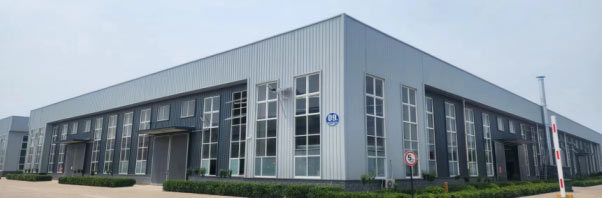
Specializing in the production of aircraft wheel chocks, rubber parts, silicone fluororubber products, waterstop, carrier rollers, conveyor belts, polyurethane accessories, nylon plastic parts, high-pressure oil pipes, metal hoses, various rubber strips, rubber wheels, wheel heat exchanger pads, etc.
Quick Link
Contact Info
ADDRESS:
Workshop 9, Wanxiang Equipment Industrial Park, Wuyi County, Hengshui City, Hebei Province, China
E-mail:


