Zhuo'er Rubber & Plastic Product Co., Ltd




How Rubber Wheel Stops Contribute to a Safer Community
Pubdate:
2026-06-10

How Rubber Wheel Stops Contribute to a Safer Community
Rubber wheel stops play a crucial role in enhancing traffic safety within our communities. As urban areas continue to grow, ensuring safety in parking lots, garages, and on streets becomes increasingly important. This article delves into how rubber wheel stops contribute to safer environments, examining their design, benefits, and overall impact on community safety.
Understanding Rubber Wheel Stops
Rubber wheel stops are parking aids designed to prevent vehicles from rolling past designated parking spaces. Typically made from durable rubber, these stops are resilient, weather-resistant, and highly visible. They serve a critical function by acting as physical barriers that guide drivers, ensuring that vehicles are parked correctly and safely.
Design and Features of Rubber Wheel Stops
The design of rubber wheel stops is integral to their effectiveness. Key features include:
Material Composition
Rubber is the primary material used in manufacturing wheel stops. The elasticity of rubber allows these stops to absorb impact, reducing wear and tear over time. Additionally, rubber is resistant to various weather conditions, making it a suitable choice for outdoor and indoor settings.
Visibility and Color
Most rubber wheel stops are painted in bright colors, often yellow or white, to enhance visibility. This helps drivers easily identify the boundary of parking spaces, reducing the likelihood of accidents.
Size and Dimensions
Typically, rubber wheel stops are about 6 feet long and 4 inches high. Their dimensions are designed to accommodate most vehicles. The height is sufficient to prevent vehicles from rolling over them while ensuring they do not pose a tripping hazard for pedestrians.
The Importance of Traffic Safety in Communities
Traffic safety is paramount in fostering secure and vibrant communities. Accidents can lead to injuries, fatalities, and significant economic costs. By implementing effective traffic management solutions, such as rubber wheel stops, communities can create safer environments for both drivers and pedestrians.
Preventing Accidents with Rubber Wheel Stops
Rubber wheel stops significantly reduce the risk of accidents in several ways:
Guiding Drivers
Wheel stops serve as visual aids that help drivers understand where to park. By providing a clear boundary, they minimize the chances of vehicles encroaching on pedestrian walkways or other parking spaces.
Reducing Vehicle Roll-Forward
In parking situations, rubber wheel stops prevent vehicles from rolling forward, especially on inclines. This feature protects pedestrians and nearby vehicles from potential collisions.
Encouraging Safe Driving Behavior
The presence of rubber wheel stops encourages drivers to adhere to safe parking practices. When drivers see a clearly marked stop, they are less likely to park carelessly or overcrowd spaces, promoting overall traffic discipline.
Types of Rubber Wheel Stops
There are several types of rubber wheel stops available on the market, each designed for specific applications:
Standard Wheel Stops
These are the most common type of rubber wheel stops, designed for general use in parking lots and garages. They effectively guide vehicles and prevent accidents.
High-Visibility Wheel Stops
These wheel stops feature reflective strips or bright colors, making them ideal for low-light conditions. Their enhanced visibility is essential for ensuring safety during nighttime or in poorly lit areas.
Customizable Wheel Stops
Some manufacturers offer customizable options, allowing businesses or municipalities to incorporate logos or specific colors into their wheel stops. This customization can enhance branding while maintaining safety.
Installation Best Practices for Rubber Wheel Stops
Proper installation of rubber wheel stops is critical to their effectiveness. Below are some best practices to ensure optimal performance:
Choosing the Right Location
Identify high-traffic areas where accidents are more likely to occur. Installing rubber wheel stops in these zones can significantly improve safety. Common locations include parking lots, shopping centers, and residential areas.
Securing Wheel Stops Correctly
To maximize stability, ensure that rubber wheel stops are anchored securely to the ground. This prevents them from shifting during vehicle contact, maintaining their intended function.
Regular Maintenance
Like any safety equipment, rubber wheel stops require regular inspections for wear and tear. Check for cracks, fading colors, or loose positioning and replace or repair them as necessary to maintain safety standards.
The Economic Benefits of Rubber Wheel Stops
Implementing rubber wheel stops can yield significant economic advantages for communities and businesses:
Reducing Accident-Related Costs
Accidents can be expensive, leading to medical costs, repairs, and potential lawsuits. By investing in rubber wheel stops, communities can reduce the likelihood of accidents, ultimately saving money.
Enhancing Property Value
Properties that prioritize safety tend to attract more tenants and customers. Effective traffic management solutions can enhance the overall appeal of a property, increasing its value over time.
The Environmental Impact of Rubber Wheel Stops
Rubber wheel stops are often made from recycled materials, making them an environmentally friendly choice. By choosing these products, communities can contribute to sustainability efforts while ensuring safety.
Promoting Recycling and Sustainability
Using recycled rubber in wheel stops supports environmentally friendly practices. Communities that prioritize sustainability can reinforce their commitment to green initiatives.
Community Involvement in Traffic Safety
Engaging community members in safety initiatives can enhance their effectiveness. Here are ways in which community involvement can play a crucial role:
Educational Campaigns
Educating residents about the importance of traffic safety and the role of rubber wheel stops can foster a culture of safety. Conduct informational workshops and distribute materials to raise awareness.
Encouraging Reporting of Hazards
Encourage community members to report issues with installed rubber wheel stops or any other traffic safety concerns. This proactive approach ensures that problems are addressed promptly.
FAQs About Rubber Wheel Stops and Traffic Safety
What are the main benefits of rubber wheel stops?
Rubber wheel stops help prevent accidents, guide drivers, enhance visibility, and improve overall traffic management in parking areas.
How are rubber wheel stops installed?
Rubber wheel stops are typically installed by anchoring them securely to the ground in designated parking areas, ensuring they remain stable.
Can rubber wheel stops be customized?
Yes, many manufacturers offer customizable options for rubber wheel stops, allowing businesses to incorporate specific colors or logos.
How do rubber wheel stops contribute to community safety?
By preventing accidents and guiding drivers, rubber wheel stops enhance pedestrian safety and promote disciplined driving behavior.
Are rubber wheel stops environmentally friendly?
Yes, many rubber wheel stops are made from recycled materials, supporting sustainability initiatives within communities.
Conclusion
Rubber wheel stops are more than just parking aids; they are essential components in creating safer communities. Their effective design, coupled with their ability to prevent accidents and enhance visibility, makes them invaluable in managing traffic safety. By prioritizing the installation and maintenance of rubber wheel stops, communities can foster safer environments that protect both drivers and pedestrians, ultimately contributing to a more secure and harmonious public space. Investing in rubber wheel stops is an investment in the well-being of everyone who shares our roads and parking areas.
Recommended Reading
Rubber Wheel Block: A Practical Solution for Safer and More Efficient Parking Areas
Best rubber wheel block with customizable size, color, material, and design, offering durable vehicle positioning and reliable parking protection
Rubber Wheel Stops for Residential vs. Commercial Use: Understanding the Key Differences
Rubber Wheel Stops for Residential vs. Commercial Use: Understanding the Key Differences Parking safety is a critical aspect of property management, whether in residential areas or commercial settings. One of the most effective tools for enhancing parking safety is the rubber wheel stop. These simple yet effective devices help prevent vehicles from encroaching on sidewalks, landscaping, or other r
Understanding Silicone Gaskets: Essential Components in Automotive Engine Systems
Silicone gaskets play a crucial role in the automotive engine systems, particularly in sealing applications where durability and thermal resistance are paramount. As a professional in the automotive sector, understanding the properties and benefits of silicone gaskets can significantly enhance your operations and product offerings. Silicone, a synthetic rubber, is well-known for its excellent ther
DIY Wheel Chocks: Create Your Own for Enhanced Safety on the Road
DIY Wheel Chocks: Create Your Own for Enhanced Safety on the Road Table of Contents What Are Wheel Chocks? The Importance of Using Wheel Chocks for Vehicle Safety Materials Needed for DIY Wheel Chocks How to Make DIY Wheel Chocks: Step-by-Step Instructions Design Considerations for Effective Wheel Chocks Testing Your DIY Wheel Chocks for Safety Maintenance and Care for Your Wheel Ch
The Essential Role of Aircraft Wheel Chocks in Aviation Safety
Aircraft wheel chocks are essential safety devices used in the aviation industry to prevent aircraft from rolling or moving unintentionally while parked or being serviced. These devices are designed to securely wedge against the wheels of an aircraft, providing stability and safeguarding personnel and equipment in the vicinity. Understanding their significance and proper usage is vital for maintai
The Future of Traffic Safety: Polyurethane Scrapers Leading the Way
The Future of Traffic Safety: Polyurethane Scrapers Leading the Way Traffic safety has always been a paramount concern for urban planners, policymakers, and engineers. In recent years, advancements in materials science have begun to shape the way we approach traffic safety equipment. One of the most notable innovations in this field is the use of polyurethane scrapers. These tools are not only des
Company Profile
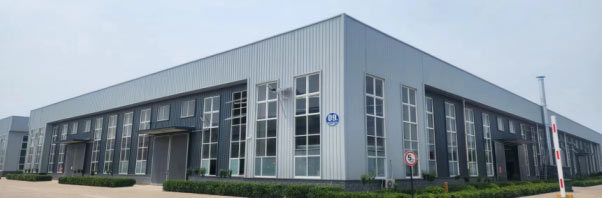
Specializing in the production of aircraft wheel chocks, rubber parts, silicone fluororubber products, waterstop, carrier rollers, conveyor belts, polyurethane accessories, nylon plastic parts, high-pressure oil pipes, metal hoses, various rubber strips, rubber wheels, wheel heat exchanger pads, etc.
Quick Link
Contact Info
ADDRESS:
Workshop 9, Wanxiang Equipment Industrial Park, Wuyi County, Hengshui City, Hebei Province, China
E-mail:


