Zhuo'er Rubber & Plastic Product Co., Ltd




The Cost-Saving Benefits of Rubber Wheel Stops in Transportation
Pubdate:
2026-01-17

The Cost-Saving Benefits of Rubber Wheel Stops in Transportation
In the ever-evolving landscape of transportation safety equipment, rubber wheel stops have emerged as an essential component for enhancing safety while simultaneously offering remarkable cost-saving benefits. From parking lots to loading docks, these simple yet effective devices play a pivotal role in accident prevention, reducing damage to vehicles and property. In this article, we will explore the multifaceted advantages of rubber wheel stops, their installation and maintenance, and their undeniable impact on cost savings within the transportation sector.
Understanding Rubber Wheel Stops
Rubber wheel stops, also known as wheel chocks or parking curbs, are designed to prevent vehicles from rolling or moving beyond a designated area. Made from durable rubber, they provide a sturdy and flexible solution to control vehicle movement effectively. Their adaptability makes them suitable for various applications, including:
- Parking lots
- Commercial loading areas
- Airports and bus terminals
- Warehouses and distribution centers
Key Features of Rubber Wheel Stops
Rubber wheel stops come with several noteworthy features that enhance their utility:
- Durability: Constructed from high-quality rubber, these stops can withstand harsh weather conditions and heavy vehicle traffic.
- Non-slip surface: The textured surface provides excellent grip, reducing the risk of vehicle movement.
- Visibility: Many rubber wheel stops feature bright colors, enhancing visibility and alerting drivers to designated parking zones.
- Eco-friendly: Made from recycled materials, these stops contribute to sustainability efforts.
The Financial Advantages of Rubber Wheel Stops
Investing in rubber wheel stops is not merely a matter of safety; it presents various financial benefits that can significantly reduce overall operational costs. Below, we delve into the key cost-saving advantages.
1. Reduced Vehicle Damage and Repair Costs
One of the primary benefits of rubber wheel stops is their ability to prevent collisions and protect vehicles from damage. By acting as a physical barrier, they minimize the likelihood of accidents that can lead to expensive repairs. For businesses relying on a fleet of vehicles, this can lead to:
- Lower insurance premiums, as a reduced frequency of claims can lead to better rates.
- Significant savings on maintenance and repair costs.
- Increased vehicle lifespan due to minimized wear and tear.
2. Enhanced Parking Efficiency
Rubber wheel stops help organize parking spaces effectively, allowing for optimal use of available space. This efficiency translates into:
- Increased capacity in parking lots, accommodating more vehicles without expanding the area.
- Better traffic flow, minimizing congestion and wait times.
- Fewer accidents and near misses, enhancing overall safety.
3. Long-Term Durability and Low Maintenance Costs
Unlike concrete or metal alternatives, rubber wheel stops require minimal maintenance. Their durable construction means they can endure heavy usage and adverse weather conditions without significant wear. This durability leads to:
- Reduced replacement frequency, ultimately lowering long-term costs.
- Savings on maintenance labor and materials.
- Less disruption to operations, as fewer replacements and repairs are needed.
Installation of Rubber Wheel Stops
Proper installation of rubber wheel stops is crucial for maximizing their benefits. Here’s a step-by-step guide to ensure effective placement.
Preparation Steps
- Assess the Area: Identify where wheel stops are needed the most, focusing on high-traffic areas and spots prone to collisions.
- Measure Distances: Ensure proper spacing between wheel stops to maintain a comfortable parking experience while preventing vehicle overhang.
- Gather Tools: Required tools may include a drill, concrete anchors, and safety gear.
Installation Procedure
- Positioning: Place the rubber wheel stops in the designated spots based on your assessment.
- Mark Holes: Using a marker, indicate where holes need to be drilled for securing the stops.
- Drill Holes: Carefully drill holes in the concrete or asphalt surface.
- Secure Wheel Stops: Use concrete anchors to secure the wheel stops firmly in place.
- Final Check: Ensure all stops are stable and adequately positioned.
Maintenance Tips for Rubber Wheel Stops
To ensure longevity and effectiveness, regular maintenance is essential. Here are some tips to keep your rubber wheel stops in optimal condition:
1. Routine Inspections
Regularly inspect rubber wheel stops for signs of wear, tear, or damage. Early detection of issues can prevent costly replacements and maintain safety.
2. Cleaning
Periodically clean the surface of the wheel stops to remove dirt, grime, or debris that may affect visibility and functionality. A simple wash with soap and water is often sufficient.
3. Repositioning
If any wheel stops become misaligned or damaged due to heavy impacts, reposition or replace them promptly to maintain safety standards.
Applications of Rubber Wheel Stops in Transportation
Rubber wheel stops are versatile and applicable across various sectors. Here are some common applications:
1. Commercial Parking Lots
In commercial spaces, these stops efficiently manage vehicle flow, ensuring customers park safely and minimizing the risk of collisions.
2. Industrial Warehouses
In warehouses, rubber wheel stops guide forklift operators and ensure safe loading practices, reducing accidents and improving workflow efficiency.
3. Airports and Bus Terminals
Airports and bus terminals benefit from rubber wheel stops to delineate parking zones for vehicles, ensuring organized and safe loading and unloading of passengers.
FAQs About Rubber Wheel Stops
1. How long do rubber wheel stops last?
With proper maintenance, rubber wheel stops can last anywhere from 5 to 10 years, depending on usage and environmental conditions.
2. Can rubber wheel stops be used outdoors?
Yes, rubber wheel stops are designed to withstand outdoor conditions, including rain, snow, and extreme temperatures.
3. Are rubber wheel stops eco-friendly?
Many rubber wheel stops are manufactured from recycled materials, making them an environmentally friendly choice.
4. How are rubber wheel stops secured to the ground?
Rubber wheel stops are typically secured using concrete anchors or bolts to ensure they remain in place during heavy use.
5. Can I install rubber wheel stops myself?
Yes, with the right tools and careful attention to the installation guide, rubber wheel stops can be installed by individuals or maintenance teams.
Conclusion
Rubber wheel stops represent a practical and cost-effective solution for enhancing safety in transportation settings. Their ability to minimize vehicle damage, improve parking efficiency, and reduce maintenance costs makes them a smart investment for businesses and organizations. By understanding the benefits, installation procedures, and maintenance requirements, you can leverage rubber wheel stops to create a safer and more efficient environment for all stakeholders involved in transportation. Embracing this technology not only enhances safety but also contributes to significant long-term savings, ultimately driving operational success.
Recommended Reading
The Evolution of Rubber Wheel Stops in Traffic Safety
The Evolution of Rubber Wheel Stops in Traffic Safety Introduction: The Importance of Traffic Safety Devices Traffic safety is a critical aspect of urban planning and road management. Among the various tools employed to enhance safety on roadways, rubber wheel stops stand out as essential devices designed to prevent vehicle overrun and facilitate safe parking. Their evolution reflects a broader un
Understanding Silicone Gaskets: Essential Components for Automotive Engine Systems
Silicone gaskets are an integral part of automotive engine systems, designed to ensure proper sealing between various engine components. Their unique properties make them a popular choice in the automotive industry, particularly for applications that require durability and resilience under extreme conditions. One of the primary advantages of silicone gaskets is their exceptional temperature resist
Common Mistakes to Avoid When Using Wheel Chocks: A Comprehensive Guide
Common Mistakes to Avoid When Using Wheel Chocks: A Comprehensive Guide Understanding Wheel Chocks and Their Importance in Vehicle Safety Wheel chocks are crucial safety devices designed to prevent vehicles from rolling when parked on an incline or when working on them. Their primary function is to provide stability, ensuring that vehicles remain stationary. However, improper use can lead to dange
Understanding Aircraft Wheel Chocks: Essential Safety Devices for Aviation
Aircraft wheel chocks are designed to prevent aircraft from rolling when parked or during maintenance operations. These sturdy blocks are positioned against the wheels of an aircraft to secure it in place, ensuring safety for both the aircraft and personnel working around it. Understanding the functionality and importance of wheel chocks is crucial for anyone involved in aviation operations or saf
Polyurethane Scrapers vs. Traditional Materials: Which is Better for Safety?
Polyurethane Scrapers vs. Traditional Materials: Which is Better for Safety? Table of Contents 1. Introduction to Safety Equipment Materials 2. Understanding Polyurethane Scrapers 3. Traditional Materials in Safety Equipment 4. Advantages of Polyurethane Scrapers for Safety 5. Disadvantages of Polyurethane Scrapers 6. Benefits of Traditional Materials 7. Drawbacks of T
Understanding Rubber Butterfly Valves: Essential Components for Traffic Safety Devices
Rubber butterfly valves are vital components in various applications, particularly within the automotive and transportation safety equipment sectors. These valves operate using a circular disc that rotates within the flow of a medium—typically liquids or gases—allowing for easy regulation of the flow. The “rubber” aspect pertains to the sealing materials used in the valve's construction, offering
Company Profile
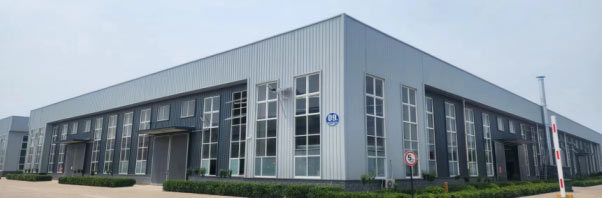
Specializing in the production of aircraft wheel chocks, rubber parts, silicone fluororubber products, waterstop, carrier rollers, conveyor belts, polyurethane accessories, nylon plastic parts, high-pressure oil pipes, metal hoses, various rubber strips, rubber wheels, wheel heat exchanger pads, etc.
Quick Link
Contact Info
ADDRESS:
Workshop 9, Wanxiang Equipment Industrial Park, Wuyi County, Hengshui City, Hebei Province, China
E-mail:


