Zhuo'er Rubber & Plastic Product Co., Ltd




How Polyurethane Scrapers Enhance Traffic Safety Equipment Performance
Pubdate:
2026-01-05

How Polyurethane Scrapers Enhance Traffic Safety Equipment Performance
In the realm of traffic safety, the materials used in equipment play a pivotal role in ensuring optimal functionality and reliability. Among these materials, **polyurethane** has emerged as a game-changer, particularly in the production of scrapers. This article explores how **polyurethane scrapers** are revolutionizing traffic safety equipment performance, focusing on their unique properties, benefits, and applications.
Understanding Polyurethane: The Material of Choice
Before diving into the specific benefits of polyurethane scrapers, it is essential to understand what makes polyurethane a preferred material in the industry. Polyurethane is a versatile polymer known for its **elasticity**, **strength**, and **resistance to abrasion**. These properties make it particularly suitable for applications requiring durability and longevity, especially in harsh environmental conditions.
Key Properties of Polyurethane
- Durability: Polyurethane is resistant to wear and tear, ensuring long-lasting performance even under heavy use.
- Weather Resistance: It can withstand extreme temperatures, UV exposure, and moisture, making it ideal for outdoor applications.
- Flexibility: Polyurethane scrapers can be manufactured in various shapes and sizes, allowing for customization based on specific needs.
- High Load Capacity: They can support significant weights without deforming, enhancing their effectiveness in traffic safety applications.
The Role of Scrapers in Traffic Safety Equipment
Scrapers serve a critical function in maintaining road safety. They are often utilized in various traffic safety devices, such as **road barriers**, **traffic cones**, **signs**, and **pavement markers**. Their primary role is to clear debris, ensure visibility, and maintain the structural integrity of these devices. With the introduction of polyurethane scrapers, the overall efficiency and effectiveness of traffic safety equipment have seen significant improvements.
Benefits of Polyurethane Scrapers in Traffic Safety
The advantages of using polyurethane scrapers in traffic safety equipment are manifold:
1. Enhanced Performance
Polyurethane scrapers exhibit superior performance compared to traditional materials. Their ability to maintain functionality in various conditions leads to fewer equipment failures, ensuring that traffic safety devices remain operational when needed the most.
2. Cost-Effectiveness
While the initial investment in polyurethane scrapers may be higher than that of other materials, their durability translates to lower maintenance and replacement costs over time. This long-term cost-effectiveness is a crucial consideration for municipalities and organizations responsible for traffic safety.
3. Improved Visibility and Safety
Polyurethane can be integrated with reflective materials, enhancing visibility during low-light conditions. This feature is particularly vital for traffic cones and barriers, ensuring that they are easily seen by drivers at night or in adverse weather conditions.
4. Reduced Environmental Impact
Polyurethane scrapers can be produced using eco-friendly processes and materials, contributing to sustainable practices in the traffic safety industry. Their longevity also means fewer materials are needed over time, reducing waste.
5. Versatile Applications
The adaptability of polyurethane scrapers allows them to be used in various traffic safety devices. They can be molded to fit different shapes and sizes, making them suitable for everything from **pavement marking equipment** to **roadside barriers**.
Applications of Polyurethane Scrapers in Traffic Safety Equipment
Polyurethane scrapers find applications across a wide range of traffic safety equipment. Let's explore some of these applications in detail.
1. Road Barriers
Polyurethane scrapers are often used in road barriers to enhance their performance. These scrapers help in maintaining the cleanliness of the road surface, preventing debris from accumulating and ensuring that the barriers remain visible and effective in redirecting traffic.
2. Traffic Cones
Traffic cones equipped with polyurethane scrapers can effectively clear mud and debris, ensuring that they remain stable during adverse weather conditions. This stability is crucial for preventing accidents and ensuring that the cones serve their intended purpose.
3. Pavement Marking Equipment
In pavement marking equipment, polyurethane scrapers assist in applying markings smoothly and efficiently. They ensure that paint adheres properly to the road surface, reducing the need for reapplications and enhancing the longevity of road markings.
4. Roadside Signage
Road signs can benefit from the use of polyurethane scrapers, which help keep the area around the sign clear of dirt and debris. This feature enhances visibility and ensures that drivers can read the signs without obstruction.
Best Practices for Implementing Polyurethane Scrapers
To maximize the benefits of polyurethane scrapers, it is essential to implement best practices during their application and maintenance.
Routine Inspection and Maintenance
Regularly inspecting and maintaining polyurethane scrapers ensures optimal performance. This practice includes checking for wear and tear, cleaning the scrapers, and replacing them when necessary.
Proper Installation Techniques
Following manufacturer guidelines for installation is crucial to ensure that polyurethane scrapers function effectively. Proper installation minimizes the risk of equipment failure and maximizes safety.
Customization for Specific Needs
Consider customizing polyurethane scrapers to fit unique traffic safety equipment requirements. Customized scrapers can enhance performance and ensure that the equipment meets specific safety standards.
Challenges and Considerations
While polyurethane scrapers offer numerous advantages, there are challenges and considerations to keep in mind.
1. Initial Costs
The initial purchase price of polyurethane scrapers may be higher than alternatives. However, the long-term savings in maintenance and replacement costs often justify the investment.
2. Compatibility with Existing Equipment
Ensuring that polyurethane scrapers are compatible with existing traffic safety equipment is essential. Careful evaluation of equipment specifications can help avoid issues during installation.
3. Supply Chain Considerations
Availability of high-quality polyurethane scrapers can vary. Building relationships with reliable suppliers is crucial to ensure consistent access to these materials.
Future Trends in Polyurethane Scrapers for Traffic Safety
The future of polyurethane scrapers in traffic safety equipment looks promising, with several trends emerging:
1. Technological Advancements
As technology continues to evolve, we can expect advancements in the manufacturing processes of polyurethane scrapers, leading to even greater durability and performance enhancements.
2. Increased Focus on Sustainability
The growing emphasis on sustainability will likely drive innovations in eco-friendly polyurethane production methods, further reducing the environmental impact of traffic safety equipment.
3. Integration with Smart Technologies
Future developments may see the integration of smart technologies within polyurethane scrapers, allowing for real-time monitoring of performance and maintenance needs.
FAQs about Polyurethane Scrapers and Traffic Safety Equipment
1. What are the primary benefits of using polyurethane scrapers in traffic safety?
Polyurethane scrapers offer enhanced performance, cost-effectiveness, improved visibility, reduced environmental impact, and versatility in applications.
2. How do polyurethane scrapers compare to traditional materials?
Polyurethane scrapers typically exhibit superior durability, flexibility, and resistance to environmental factors compared to traditional materials.
3. Are polyurethane scrapers customizable?
Yes, polyurethane scrapers can be customized to fit specific traffic safety equipment needs, ensuring optimal performance.
4. What maintenance practices are recommended for polyurethane scrapers?
Routine inspections, cleaning, and timely replacements are essential to maintain the effectiveness of polyurethane scrapers.
5. What future trends should we expect in the use of polyurethane scrapers?
Future trends may include technological advancements, a focus on sustainability, and the integration of smart technologies in polyurethane scrapers.
Conclusion
Polyurethane scrapers are transforming the effectiveness and reliability of traffic safety equipment. Their unique properties, combined with the numerous benefits they offer, make them an essential component in enhancing road safety. As we continue to innovate and implement best practices, the future of traffic safety equipment will undoubtedly be influenced by the advancements in polyurethane technology. Investing in polyurethane scrapers is not just a choice for today; it is a commitment to a safer, more efficient tomorrow on our roads.
Recommended Reading
Understanding Silicone Gaskets: Essential Components for Automotive Engine Systems
Silicone gaskets are an integral part of automotive engine systems, designed to ensure proper sealing between various engine components. Their unique properties make them a popular choice in the automotive industry, particularly for applications that require durability and resilience under extreme conditions. One of the primary advantages of silicone gaskets is their exceptional temperature resist
Common Mistakes to Avoid When Using Wheel Chocks: A Comprehensive Guide
Common Mistakes to Avoid When Using Wheel Chocks: A Comprehensive Guide Understanding Wheel Chocks and Their Importance in Vehicle Safety Wheel chocks are crucial safety devices designed to prevent vehicles from rolling when parked on an incline or when working on them. Their primary function is to provide stability, ensuring that vehicles remain stationary. However, improper use can lead to dange
Understanding Aircraft Wheel Chocks: Essential Safety Devices for Aviation
Aircraft wheel chocks are designed to prevent aircraft from rolling when parked or during maintenance operations. These sturdy blocks are positioned against the wheels of an aircraft to secure it in place, ensuring safety for both the aircraft and personnel working around it. Understanding the functionality and importance of wheel chocks is crucial for anyone involved in aviation operations or saf
Polyurethane Scrapers vs. Traditional Materials: Which is Better for Safety?
Polyurethane Scrapers vs. Traditional Materials: Which is Better for Safety? Table of Contents 1. Introduction to Safety Equipment Materials 2. Understanding Polyurethane Scrapers 3. Traditional Materials in Safety Equipment 4. Advantages of Polyurethane Scrapers for Safety 5. Disadvantages of Polyurethane Scrapers 6. Benefits of Traditional Materials 7. Drawbacks of T
Understanding Rubber Butterfly Valves: Essential Components for Traffic Safety Devices
Rubber butterfly valves are vital components in various applications, particularly within the automotive and transportation safety equipment sectors. These valves operate using a circular disc that rotates within the flow of a medium—typically liquids or gases—allowing for easy regulation of the flow. The “rubber” aspect pertains to the sealing materials used in the valve's construction, offering
How Rubber Wheel Stops Help Manage Traffic Flow Efficiently
How Rubber Wheel Stops Help Manage Traffic Flow Efficiently Table of Contents 1. Introduction to Rubber Wheel Stops 2. Understanding Traffic Flow Management 3. The Role of Rubber Wheel Stops in Traffic Safety 4. Key Benefits of Using Rubber Wheel Stops 4.1 Enhanced Safety in Parking Areas 4.2 Improved Space Utilization 4.3 Durability and Cost-Effectiveness 5. How to Install Rubber Wheel Stops Effe
Company Profile
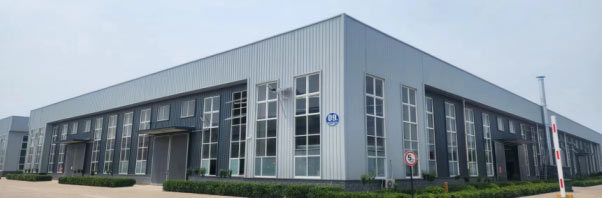
Specializing in the production of aircraft wheel chocks, rubber parts, silicone fluororubber products, waterstop, carrier rollers, conveyor belts, polyurethane accessories, nylon plastic parts, high-pressure oil pipes, metal hoses, various rubber strips, rubber wheels, wheel heat exchanger pads, etc.
Quick Link
Contact Info
ADDRESS:
Workshop 9, Wanxiang Equipment Industrial Park, Wuyi County, Hengshui City, Hebei Province, China
E-mail:


