Zhuo'er Rubber & Plastic Product Co., Ltd




How Rubber Wheel Stops Help Manage Traffic Flow Efficiently
Pubdate:
2026-09-27

How Rubber Wheel Stops Help Manage Traffic Flow Efficiently
Table of Contents
1. Introduction to Rubber Wheel Stops
2. Understanding Traffic Flow Management
3. The Role of Rubber Wheel Stops in Traffic Safety
4. Key Benefits of Using Rubber Wheel Stops
4.1 Enhanced Safety in Parking Areas
4.2 Improved Space Utilization
4.3 Durability and Cost-Effectiveness
5. How to Install Rubber Wheel Stops Effectively
6. Selecting the Right Rubber Wheel Stops for Your Needs
7. Common Applications of Rubber Wheel Stops
8. Conclusion
9. Frequently Asked Questions (FAQs)
1. Introduction to Rubber Wheel Stops
Rubber wheel stops, often referred to as parking blocks or curb stops, are essential components in traffic management systems. These sturdy devices are designed to prevent vehicles from encroaching into prohibited areas, thereby ensuring safe parking and effective traffic flow. Made from high-quality rubber, they offer durability and visibility, making them an indispensable asset in various environments, including commercial parking lots, residential areas, and industrial sites.
2. Understanding Traffic Flow Management
Traffic flow management refers to the strategies and techniques implemented to ensure vehicles move smoothly and safely within a designated area. Effective management is crucial for preventing accidents, minimizing congestion, and enhancing the overall experience of drivers and pedestrians. Among the many tools available, rubber wheel stops play a significant role in maintaining order and safety on roadways and parking facilities.
3. The Role of Rubber Wheel Stops in Traffic Safety
Rubber wheel stops are designed to absorb the impact of vehicles, redirecting them to designated areas and preventing potential accidents. By acting as a physical barrier, these stops help to delineate parking spaces, guiding drivers to park correctly and avoiding collisions with nearby structures or other vehicles. Their bright colors and reflective materials enhance visibility, making them easily noticeable even in low-light conditions.
4. Key Benefits of Using Rubber Wheel Stops
Implementing rubber wheel stops in traffic management systems offers numerous advantages:
4.1 Enhanced Safety in Parking Areas
Safety is paramount in any traffic management strategy. Rubber wheel stops significantly reduce the risk of accidents by clearly marking parking boundaries and preventing vehicles from rolling forward or backward unexpectedly. Their presence provides peace of mind to drivers, ensuring they can park confidently without the fear of damaging their vehicles or those of others.
4.2 Improved Space Utilization
Effective parking management is all about maximizing space. Rubber wheel stops allow for efficient organization of parking lots by defining individual spaces clearly. This helps to accommodate more vehicles within a limited area, thereby increasing the overall capacity of the parking facility. In urban settings where space is at a premium, this advantage cannot be overstated.
4.3 Durability and Cost-Effectiveness
Rubber wheel stops are renowned for their longevity. Unlike traditional concrete or plastic stops, rubber models are resistant to cracking, fading, and deterioration caused by environmental factors. This durability translates to lower replacement costs over time, making them a more economical choice for businesses and municipalities.
5. How to Install Rubber Wheel Stops Effectively
Proper installation of rubber wheel stops is essential for maximizing their benefits. Here are the steps to ensure effective installation:
1. **Select the Right Location**: Determine where the wheel stops will be most effective in guiding traffic and ensuring safety. Common locations include parking lots, loading zones, and pedestrian walkways.
2. **Prepare the Surface**: Ensure the installation surface is clean and free from debris. This will help the adhesive bond effectively.
3. **Mark Positions**: Use chalk or paint to outline where each wheel stop will be placed. This will help visualize spacing and alignment.
4. **Secure the Stops**: Depending on the type of rubber wheel stop, they can be secured using adhesive, bolts, or simply placed on the ground if they are heavy enough. Ensure they are stable and won’t shift with vehicle movement.
5. **Conduct a Final Check**: After installation, inspect to ensure all stops are aligned correctly and functioning as intended.
6. Selecting the Right Rubber Wheel Stops for Your Needs
When choosing rubber wheel stops, consider the following factors:
- **Size and Dimensions**: Ensure the stops fit the designated parking spaces and comply with local regulations.
- **Weight and Stability**: Heavier rubber stops provide more stability and are less likely to shift out of position.
- **Visibility Features**: Look for options with reflective strips or bright colors to enhance visibility, especially in low-light areas.
- **Weather Resistance**: Choose high-quality rubber that can withstand various weather conditions without compromising performance.
7. Common Applications of Rubber Wheel Stops
Rubber wheel stops are versatile and can be used in numerous settings, including:
- **Commercial Parking Lots**: Improves traffic flow and safety in high-traffic areas.
- **Residential Complexes**: Helps manage parking in shared spaces, ensuring residents have designated spots.
- **Public Facilities**: Provides clear boundaries in parks, recreation centers, and community areas.
- **Warehouses and Loading Docks**: Ensures vehicles are parked safely away from operational areas to prevent accidents.
8. Conclusion
Rubber wheel stops are indispensable tools for managing traffic flow efficiently. Their ability to enhance safety, improve space utilization, and provide durability makes them an excellent investment for any parking facility. By understanding their benefits and applications, businesses and municipalities can significantly enhance their traffic management strategies, ensuring safer and more organized environments for everyone.
9. Frequently Asked Questions (FAQs)
1. What are rubber wheel stops made of?
Rubber wheel stops are typically made from high-quality recycled rubber, providing durability and sustainability.
2. How do rubber wheel stops contribute to traffic safety?
They act as physical barriers that prevent vehicles from encroaching into undesired areas, helping to minimize collisions and accidents.
3. Can rubber wheel stops be used in extreme weather conditions?
Yes, rubber wheel stops are designed to withstand various weather conditions, including rain, snow, and extreme temperatures.
4. How do I ensure proper installation of rubber wheel stops?
Follow a step-by-step installation process, ensuring the surface is prepared and the stops are secured properly for stability.
5. Are rubber wheel stops suitable for both commercial and residential use?
Absolutely! Rubber wheel stops are versatile and can be effectively used in both commercial and residential settings.
By incorporating rubber wheel stops into your traffic management system, you can effectively enhance safety and improve the overall efficiency of vehicle movement within various environments.
Recommended Reading
How Rubber Wheel Stops Help Manage Traffic Flow Efficiently
How Rubber Wheel Stops Help Manage Traffic Flow Efficiently Table of Contents 1. Introduction to Rubber Wheel Stops 2. Understanding Traffic Flow Management 3. The Role of Rubber Wheel Stops in Traffic Safety 4. Key Benefits of Using Rubber Wheel Stops 4.1 Enhanced Safety in Parking Areas 4.2 Improved Space Utilization 4.3 Durability and Cost-Effectiveness 5. How to Install Rubber Wheel Stops Effe
Understanding Silicone Gaskets: Essential Components for Automotive Engine Systems
Silicone gaskets are vital components in automotive engine systems, especially when it comes to sealing various parts within the engine. Their unique properties make them ideal for high-temperature and high-pressure environments, which are common in automotive applications. Understanding their benefits, applications, and maintenance can help automotive professionals and enthusiasts alike ensure op
Wheel Chocks in Extreme Conditions: Essential Considerations for Safety and Performance
Wheel Chocks in Extreme Conditions: Essential Considerations for Safety and Performance Table of Contents Understanding Wheel Chocks: Basics and Functions The Importance of Wheel Chocks in Extreme Conditions Material Selection: Choosing the Right Wheel Chock Safety Standards and Certifications for Wheel Chocks Proper Usage Techniques for Wheel Chocks Maintenance and Inspec
The Essential Guide to Aircraft Wheel Chocks: Enhancing Safety in Aviation
Aircraft wheel chocks are essential safety devices used to secure aircraft in place when they are parked or undergoing loading and unloading. Their primary function is to prevent accidental movement, ensuring both personnel and equipment are safe from potential hazards. Understanding the significance of wheel chocks is vital for professionals in the aviation and transportation safety sectors. Ther
Understanding the Functionality of Polyurethane Scrapers in Vehicles
Understanding the Functionality of Polyurethane Scrapers in Vehicles Table of Contents 1. Introduction to Polyurethane Scrapers 2. What Are Polyurethane Scrapers? 3. The Importance of Polyurethane Scrapers in Vehicles 4. Benefits of Using Polyurethane Scrapers 5. Applications of Polyurethane Scrapers in the Automotive Industry 6. Maintenance and Care for Polyurethane Scrap
Understanding the Benefits and Applications of Rubber Butterfly Valves
Rubber butterfly valves are essential components in various industrial applications, particularly in the automotive and traffic safety equipment sectors. These valves are designed to control the flow of fluids and gases, making them a vital part of many systems. Their construction typically consists of a rubber-seated disc that rotates around a shaft, providing effective sealing and regulating cap
Company Profile
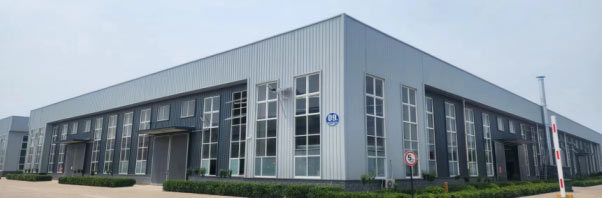
Specializing in the production of aircraft wheel chocks, rubber parts, silicone fluororubber products, waterstop, carrier rollers, conveyor belts, polyurethane accessories, nylon plastic parts, high-pressure oil pipes, metal hoses, various rubber strips, rubber wheels, wheel heat exchanger pads, etc.
Quick Link
Contact Info
ADDRESS:
Workshop 9, Wanxiang Equipment Industrial Park, Wuyi County, Hengshui City, Hebei Province, China
E-mail:


