Zhuo'er Rubber & Plastic Product Co., Ltd




Why Every Business Should Invest in Rubber Wheel Stops: A Comprehensive Guide to Safety and Efficiency
Pubdate:
2025-12-30

Why Every Business Should Invest in Rubber Wheel Stops
Understanding the Importance of Traffic Safety in Business Operations
In today's fast-paced world, traffic safety is more crucial than ever, especially for businesses with high vehicle traffic. Ensuring a safe environment for both employees and customers is paramount. Rubber wheel stops are an effective solution that not only enhances safety but also improves the overall operational efficiency of business premises.
What Are Rubber Wheel Stops?
Rubber wheel stops are sturdy, durable devices designed to prevent vehicles from overrunning parking spaces or designated areas. Typically made from recycled rubber, they provide a flexible yet firm barrier that helps control vehicle movement. Their visibility and structural integrity make them a popular choice for commercial and industrial settings.
Key Features of Rubber Wheel Stops
1. **Durability**: Made from high-quality rubber, wheel stops are resistant to weather conditions and wear, ensuring longevity.
2. **Visibility**: Many rubber wheel stops are designed with bright colors and reflective strips, enhancing visibility, especially at night.
3. **Eco-Friendly**: Utilizing recycled materials contributes to environmental sustainability, making them a responsible choice for businesses.
4. **Versatility**: Suitable for various environments, including shopping centers, warehouses, and parking lots.
5. **Cost-Effectiveness**: Lower maintenance and replacement costs compared to traditional concrete or metal stops.
Benefits of Installing Rubber Wheel Stops in Your Business
When considering safety investments, rubber wheel stops should be at the forefront due to their numerous advantages.
Enhancing Safety for Employees and Customers
One of the primary benefits of rubber wheel stops is increased safety. They act as a physical barrier, preventing vehicles from encroaching on pedestrian areas and reducing the risk of accidents. By clearly defining parking spaces, businesses can ensure that drivers have better control over their vehicles. This not only protects individuals but also minimizes liability for businesses.
Improving Space Management
Rubber wheel stops play a crucial role in effective space management. By clearly marking parking spaces, they help organizations maximize their available area. This is particularly beneficial in busy commercial environments where every inch counts. Properly organized spaces lead to smoother traffic flow and reduce congestion, leading to enhanced customer satisfaction.
Cost Savings and Increased Efficiency
Investing in rubber wheel stops can lead to significant cost savings over time. Traditional parking solutions often require higher maintenance and repair costs. In contrast, rubber wheel stops are low-maintenance and can withstand harsh weather conditions, leading to reduced replacement frequency. This focus on durability translates into increased operational efficiency, allowing businesses to allocate resources elsewhere.
Choosing the Right Rubber Wheel Stops for Your Business
When determining the most suitable rubber wheel stops for your business, several factors need consideration.
Types of Rubber Wheel Stops
1. **Standard Wheel Stops**: Basic models that effectively serve their purpose in most environments.
2. **Reflective Wheel Stops**: Enhanced visibility with reflective strips, ideal for low-light conditions.
3. **Heavy-Duty Wheel Stops**: Designed for high-traffic areas, providing added strength and durability.
4. **Custom-Made Wheel Stops**: Tailored solutions to meet specific requirements or branding needs.
Factors to Consider When Selecting Rubber Wheel Stops
- **Size and Length**: Ensure the stops fit well within your designated parking spaces.
- **Weight**: Heavier stops provide more stability, particularly in windy conditions.
- **Color and Visibility**: Bright colors and reflective materials are essential for safety.
- **Environmental Impact**: Opt for products made from recycled materials to promote sustainability.
Installing Rubber Wheel Stops: A Step-by-Step Guide
Proper installation of rubber wheel stops is essential to maximize their effectiveness and safety benefits.
Preparation and Planning
Before installation, assess the area where the wheel stops will be placed. Measure the space to determine the number of stops required. Consider the flow of traffic and pedestrian pathways to ensure optimal placement.
Installation Process
1. **Mark the Location**: Use chalk or paint to outline where the wheel stops will be installed.
2. **Clean the Area**: Remove any debris or obstacles to ensure a smooth installation surface.
3. **Position the Stops**: Place the rubber stops in the marked areas, ensuring they align correctly with parking lines.
4. **Secure the Stops**: Depending on the design, you may need to use bolts or adhesives to secure the stops in place.
5. **Test for Stability**: Ensure that the stops are firmly in place and can withstand vehicle impact.
Maintenance of Rubber Wheel Stops
Regular maintenance is essential to prolong the life of rubber wheel stops and ensure they remain effective.
Routine Inspections
Conduct periodic inspections to check for wear and tear. Look for signs of damage, such as cracks or deterioration, and replace damaged stops promptly.
Cleaning Procedures
Keep the wheel stops clean to maintain visibility and prevent slippage. Regularly wash with water and mild detergent to remove dirt and debris. Avoid using harsh chemicals that could damage the rubber material.
Real-World Case Studies: Success Stories of Implementing Rubber Wheel Stops
Examining successful case studies can provide insight into the effectiveness of rubber wheel stops.
Case Study 1: Retail Store Parking Lot
A national retail chain implemented rubber wheel stops in their parking lot to reduce accidents. Following installation, the store reported a 40% decrease in parking-related incidents, leading to enhanced customer satisfaction.
Case Study 2: Warehouse Facility
A logistics company faced challenges with space management in their loading dock. By installing heavy-duty rubber wheel stops, they improved traffic flow and optimized their loading area, resulting in a 25% increase in efficiency.
FAQs About Rubber Wheel Stops
1. Are rubber wheel stops suitable for outdoor use?
Yes, rubber wheel stops are designed to withstand various weather conditions, making them ideal for outdoor applications.
2. How do I choose the right size of rubber wheel stop?
Select a size that fits your parking spaces and complies with local regulations. Standard sizes typically range from 4 to 6 feet in length.
3. Can rubber wheel stops be painted?
While painting is possible, it’s recommended to use specialized paints that adhere well to rubber to ensure longevity.
4. How often should I inspect rubber wheel stops?
Regular inspections should be conducted at least twice a year or after significant weather events to check for damage.
5. What is the typical lifespan of rubber wheel stops?
With proper installation and maintenance, rubber wheel stops can last 5 to 10 years or more, depending on traffic conditions and exposure to elements.
Conclusion
Investing in rubber wheel stops is a smart decision for any business looking to enhance safety, improve efficiency, and manage space effectively. With their durable construction, low maintenance needs, and significant safety benefits, rubber wheel stops provide a cost-effective solution to traffic management issues. By implementing these devices, businesses can create a safer environment for employees and customers alike, ultimately leading to a more productive and pleasant operational experience.
Recommended Reading
The Evolution of Rubber Wheel Stops in Traffic Safety
The Evolution of Rubber Wheel Stops in Traffic Safety Introduction: The Importance of Traffic Safety Devices Traffic safety is a critical aspect of urban planning and road management. Among the various tools employed to enhance safety on roadways, rubber wheel stops stand out as essential devices designed to prevent vehicle overrun and facilitate safe parking. Their evolution reflects a broader un
Understanding Silicone Gaskets: Essential Components for Automotive Engine Systems
Silicone gaskets are an integral part of automotive engine systems, designed to ensure proper sealing between various engine components. Their unique properties make them a popular choice in the automotive industry, particularly for applications that require durability and resilience under extreme conditions. One of the primary advantages of silicone gaskets is their exceptional temperature resist
Common Mistakes to Avoid When Using Wheel Chocks: A Comprehensive Guide
Common Mistakes to Avoid When Using Wheel Chocks: A Comprehensive Guide Understanding Wheel Chocks and Their Importance in Vehicle Safety Wheel chocks are crucial safety devices designed to prevent vehicles from rolling when parked on an incline or when working on them. Their primary function is to provide stability, ensuring that vehicles remain stationary. However, improper use can lead to dange
Understanding Aircraft Wheel Chocks: Essential Safety Devices for Aviation
Aircraft wheel chocks are designed to prevent aircraft from rolling when parked or during maintenance operations. These sturdy blocks are positioned against the wheels of an aircraft to secure it in place, ensuring safety for both the aircraft and personnel working around it. Understanding the functionality and importance of wheel chocks is crucial for anyone involved in aviation operations or saf
Polyurethane Scrapers vs. Traditional Materials: Which is Better for Safety?
Polyurethane Scrapers vs. Traditional Materials: Which is Better for Safety? Table of Contents 1. Introduction to Safety Equipment Materials 2. Understanding Polyurethane Scrapers 3. Traditional Materials in Safety Equipment 4. Advantages of Polyurethane Scrapers for Safety 5. Disadvantages of Polyurethane Scrapers 6. Benefits of Traditional Materials 7. Drawbacks of T
Understanding Rubber Butterfly Valves: Essential Components for Traffic Safety Devices
Rubber butterfly valves are vital components in various applications, particularly within the automotive and transportation safety equipment sectors. These valves operate using a circular disc that rotates within the flow of a medium—typically liquids or gases—allowing for easy regulation of the flow. The “rubber” aspect pertains to the sealing materials used in the valve's construction, offering
Company Profile
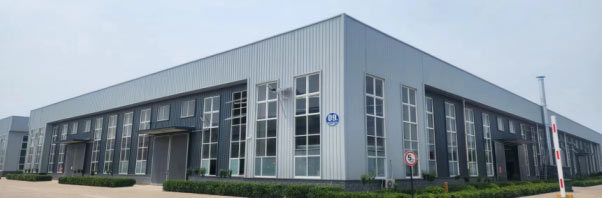
Specializing in the production of aircraft wheel chocks, rubber parts, silicone fluororubber products, waterstop, carrier rollers, conveyor belts, polyurethane accessories, nylon plastic parts, high-pressure oil pipes, metal hoses, various rubber strips, rubber wheels, wheel heat exchanger pads, etc.
Quick Link
Contact Info
ADDRESS:
Workshop 9, Wanxiang Equipment Industrial Park, Wuyi County, Hengshui City, Hebei Province, China
E-mail:


