Zhuo'er Rubber & Plastic Product Co., Ltd




Unlocking the Benefits of Polyurethane Scrapers in Automotive Safety
Pubdate:
2025-12-15

Unlocking the Benefits of Polyurethane Scrapers in Automotive Safety
Table of Contents
- 1. Introduction to Polyurethane Scrapers in Automotive Safety
- 2. What Are Polyurethane Scrapers?
- 3. Advantages of Polyurethane Scrapers for Automotive Applications
- 4. Applications of Polyurethane Scrapers in Automotive Safety
- 5. How Polyurethane Scrapers Enhance Automotive Safety
- 6. Comparing Polyurethane Scrapers with Other Materials
- 7. The Future of Polyurethane Scrapers in the Automotive Industry
- 8. Conclusion
- 9. FAQs
1. Introduction to Polyurethane Scrapers in Automotive Safety
Polyurethane scrapers have emerged as a significant innovation in the realm of automotive safety. These tools not only enhance the efficiency of various automotive operations but also play a crucial role in ensuring safety standards are met across the industry. In this article, we will explore the multifaceted benefits of polyurethane scrapers, including their durability, versatility, and applications in maintaining automotive safety protocols.
2. What Are Polyurethane Scrapers?
Polyurethane scrapers are specialized tools constructed from a versatile polymer known for its exceptional durability and flexibility. Unlike traditional scrapers made from less resilient materials, polyurethane scrapers are designed to withstand extensive wear and tear while providing superior performance. Their unique composition allows them to handle various tasks, from cleaning to safety applications in automotive manufacturing and maintenance.
2.1 Characteristics of Polyurethane Scrapers
Polyurethane scrapers exhibit several characteristics that make them ideal for automotive applications:
- **High wear resistance**: Ideal for repetitive tasks.
- **Chemical resistance**: Protection against automotive fluids and solvents.
- **Flexibility and toughness**: Ability to maintain shape under stress.
- **Temperature stability**: Performance in a wide range of temperatures.
3. Advantages of Polyurethane Scrapers for Automotive Applications
The advantages of using polyurethane scrapers in automotive environments are numerous. Here, we outline the key benefits:
3.1 Enhanced Safety Standards
Safety is paramount in the automotive industry. Polyurethane scrapers help minimize risks associated with debris and contaminants that can compromise vehicle performance. By effectively removing unwanted materials, they contribute to safer driving conditions.
3.2 Cost-Effectiveness
Although the initial investment in polyurethane scrapers may be higher, their durability and longevity lead to reduced replacement costs and lower operational expenses over time.
3.3 Versatility Across Applications
From cleaning engine components to ensuring a pristine exterior finish, polyurethane scrapers can be used in a variety of settings, making them an invaluable tool for automotive professionals.
3.4 Environmentally Friendly Options
Many polyurethane scrapers are produced from recyclable materials, thus aligning with the industry's push towards more sustainable manufacturing practices.
4. Applications of Polyurethane Scrapers in Automotive Safety
Polyurethane scrapers serve several critical functions within the automotive safety framework. Here are some of their primary applications:
4.1 Cleaning and Maintenance
Regular cleaning of automotive parts is essential for performance and safety. Polyurethane scrapers effectively remove grease, dirt, and debris, ensuring that components operate smoothly and efficiently.
4.2 Preventative Measures
By utilizing scrapers during routine maintenance, vehicle operators can identify potential safety hazards early, allowing for timely interventions that prevent accidents.
4.4 Tread and Surface Maintenance
In tire and surface maintenance, polyurethane scrapers help maintain optimal tread conditions, contributing to better grip and handling during driving.
5. How Polyurethane Scrapers Enhance Automotive Safety
The safety benefits of polyurethane scrapers extend beyond basic cleaning. Here are some ways they contribute to a safer automotive environment:
5.1 Reducing Slip Hazards
By ensuring that surfaces are clean and free of debris, polyurethane scrapers minimize slip and fall hazards in automotive shops and service areas.
5.2 Preventing Contamination
These scrapers are effective in preventing the contamination of critical automotive systems, such as braking and fluid systems, which can significantly impact vehicle safety.
5.3 Promoting Compliance with Safety Regulations
Utilizing polyurethane scrapers ensures that automotive professionals comply with safety regulations, protecting both workers and consumers.
6. Comparing Polyurethane Scrapers with Other Materials
When considering scrapers for automotive applications, it is essential to compare polyurethane with other materials.
6.1 Polyurethane vs. Metal Scrapers
- **Durability**: While metal scrapers can be durable, they are prone to rust and may damage surfaces. Polyurethane scrapers are corrosion-resistant and gentle on surfaces.
- **Flexibility**: Polyurethane provides greater flexibility, allowing for better application in tight spaces.
6.2 Polyurethane vs. Plastic Scrapers
- **Longevity**: Polyurethane scrapers last longer than standard plastic scrapers, reducing the frequency of replacements.
7. The Future of Polyurethane Scrapers in the Automotive Industry
The future of polyurethane scrapers in the automotive sector looks promising. As technology evolves, we can expect advancements in the composition and design of polyurethane scrapers that further enhance their effectiveness and safety benefits. The automotive industry’s commitment to sustainability will drive innovations that reduce environmental impact while maintaining performance and safety standards.
8. Conclusion
Polyurethane scrapers are an essential tool in promoting automotive safety and efficiency. Their unique properties and versatility make them invaluable in a variety of applications, from routine maintenance to critical safety measures. By investing in these innovative tools, automotive professionals can enhance safety standards, reduce costs, and contribute to a more sustainable industry. Embracing the benefits of polyurethane scrapers is not just a choice; it is a commitment to safety and excellence in the automotive world.
9. FAQs
9.1 What makes polyurethane scrapers better than traditional scrapers?
Polyurethane scrapers offer superior durability, flexibility, and chemical resistance, making them ideal for a wide range of automotive applications.
9.2 How do I maintain my polyurethane scrapers?
To maintain polyurethane scrapers, clean them with mild detergents and store them in a cool, dry place to prevent damage.
9.3 Can polyurethane scrapers be used on all surfaces?
Yes, polyurethane scrapers are designed to be safe for use on various surfaces without causing scratches or damage.
9.4 Are polyurethane scrapers environmentally friendly?
Many polyurethane scrapers are produced from recyclable materials, making them a more sustainable option compared to traditional scrapers.
9.5 How often should I replace my polyurethane scrapers?
The lifespan of polyurethane scrapers varies based on usage. Regular inspections can help determine when replacements are necessary.
Recommended Reading
The Evolution of Rubber Wheel Stops in Traffic Safety
The Evolution of Rubber Wheel Stops in Traffic Safety Introduction: The Importance of Traffic Safety Devices Traffic safety is a critical aspect of urban planning and road management. Among the various tools employed to enhance safety on roadways, rubber wheel stops stand out as essential devices designed to prevent vehicle overrun and facilitate safe parking. Their evolution reflects a broader un
Understanding Silicone Gaskets: Essential Components for Automotive Engine Systems
Silicone gaskets are an integral part of automotive engine systems, designed to ensure proper sealing between various engine components. Their unique properties make them a popular choice in the automotive industry, particularly for applications that require durability and resilience under extreme conditions. One of the primary advantages of silicone gaskets is their exceptional temperature resist
Common Mistakes to Avoid When Using Wheel Chocks: A Comprehensive Guide
Common Mistakes to Avoid When Using Wheel Chocks: A Comprehensive Guide Understanding Wheel Chocks and Their Importance in Vehicle Safety Wheel chocks are crucial safety devices designed to prevent vehicles from rolling when parked on an incline or when working on them. Their primary function is to provide stability, ensuring that vehicles remain stationary. However, improper use can lead to dange
Understanding Aircraft Wheel Chocks: Essential Safety Devices for Aviation
Aircraft wheel chocks are designed to prevent aircraft from rolling when parked or during maintenance operations. These sturdy blocks are positioned against the wheels of an aircraft to secure it in place, ensuring safety for both the aircraft and personnel working around it. Understanding the functionality and importance of wheel chocks is crucial for anyone involved in aviation operations or saf
Polyurethane Scrapers vs. Traditional Materials: Which is Better for Safety?
Polyurethane Scrapers vs. Traditional Materials: Which is Better for Safety? Table of Contents 1. Introduction to Safety Equipment Materials 2. Understanding Polyurethane Scrapers 3. Traditional Materials in Safety Equipment 4. Advantages of Polyurethane Scrapers for Safety 5. Disadvantages of Polyurethane Scrapers 6. Benefits of Traditional Materials 7. Drawbacks of T
Understanding Rubber Butterfly Valves: Essential Components for Traffic Safety Devices
Rubber butterfly valves are vital components in various applications, particularly within the automotive and transportation safety equipment sectors. These valves operate using a circular disc that rotates within the flow of a medium—typically liquids or gases—allowing for easy regulation of the flow. The “rubber” aspect pertains to the sealing materials used in the valve's construction, offering
Company Profile
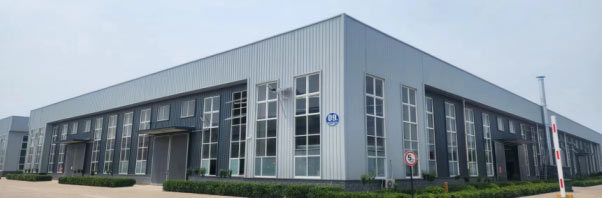
Specializing in the production of aircraft wheel chocks, rubber parts, silicone fluororubber products, waterstop, carrier rollers, conveyor belts, polyurethane accessories, nylon plastic parts, high-pressure oil pipes, metal hoses, various rubber strips, rubber wheels, wheel heat exchanger pads, etc.
Quick Link
Contact Info
ADDRESS:
Workshop 9, Wanxiang Equipment Industrial Park, Wuyi County, Hengshui City, Hebei Province, China
E-mail:


