Zhuo'er Rubber & Plastic Product Co., Ltd




Enhancing Visibility with Reflective Rubber Wheel Stops for Ultimate Safety
Pubdate:
2025-12-09

Enhancing Visibility with Reflective Rubber Wheel Stops for Ultimate Safety
Table of Contents
- 1. Introduction to Reflective Rubber Wheel Stops
- 2. Key Benefits of Reflective Rubber Wheel Stops
- 3. Distinctive Features of High-Quality Rubber Wheel Stops
- 4. Installation Guide for Reflective Rubber Wheel Stops
- 5. Essential Maintenance for Longevity
- 6. Comparing Reflective Rubber Wheel Stops to Traditional Alternatives
- 7. Case Studies: Success Stories with Reflective Rubber Wheel Stops
- 8. Frequently Asked Questions (FAQs)
- 9. Conclusion: Invest in Safety with Reflective Rubber Wheel Stops
1. Introduction to Reflective Rubber Wheel Stops
Reflective rubber wheel stops serve as essential safety devices designed for use in parking lots, garages, and roadways. These innovative products prevent vehicles from rolling beyond designated areas, thereby minimizing the risk of accidents and enhancing overall safety. Their conspicuous design, often featuring high-visibility reflective materials, ensures that drivers can discern the boundaries of parking spots even in low-light conditions. By integrating reflective rubber wheel stops into your traffic safety measures, you not only protect your vehicles but also safeguard pedestrians and other road users.
2. Key Benefits of Reflective Rubber Wheel Stops
Reflective rubber wheel stops offer numerous advantages that make them a vital addition to any traffic safety plan. Below are some of the key benefits:
2.1 Enhanced Visibility
The reflective surface of rubber wheel stops significantly improves visibility, especially at night or in poor weather conditions. This ensures that drivers are aware of parking boundaries, reducing the likelihood of collisions.
2.2 Durability and Weather Resistance
Constructed from high-quality rubber, these wheel stops are designed to withstand harsh weather conditions, including extreme heat, cold, and rain. This durability ensures a long lifespan, reducing the need for frequent replacements.
2.3 Eco-Friendly Materials
Many reflective rubber wheel stops are made from recycled rubber, making them an environmentally friendly choice. By opting for eco-friendly products, businesses can enhance their sustainability efforts while maintaining safety standards.
2.4 Cost-Effective Safety Solution
Investing in reflective rubber wheel stops is a cost-effective method of improving safety. Compared to other solutions, such as concrete barriers, rubber stops are generally more affordable and easier to install.
3. Distinctive Features of High-Quality Rubber Wheel Stops
When selecting reflective rubber wheel stops, it’s essential to look for specific features that ensure effectiveness and safety.
3.1 Reflective Strips
High-quality wheel stops come equipped with reflective strips that enhance visibility, especially in low-light situations. These strips reflect headlights, alerting drivers to their presence.
3.2 Anti-Slip Surface
An anti-slip surface is crucial for preventing vehicles from slipping over the stop, especially in wet conditions. A textured surface ensures maximum grip, contributing to overall safety.
3.3 Color Options
Reflective rubber wheel stops are available in various colors, which can be utilized to convey different messages or designate specific areas. Bright colors like yellow or white are commonly used for maximum visibility.
3.4 Quick-Release Installation
Some reflective rubber wheel stops feature a quick-release design, making them easy to install and remove when necessary. This is particularly helpful for temporary parking arrangements or events.
4. Installation Guide for Reflective Rubber Wheel Stops
Proper installation of reflective rubber wheel stops is vital for their effectiveness. Follow these steps for a successful installation:
4.1 Site Preparation
Before installation, assess the area where you plan to place the wheel stops. Ensure the surface is clean and level. Remove any debris or obstructions that may hinder proper alignment.
4.2 Marking the Location
Using chalk or paint, mark the desired locations for the wheel stops. Ensure they align with parking spaces to maximize their effectiveness.
4.3 Securing the Wheel Stops
Place the rubber wheel stops in their designated spots and secure them using bolts or adhesive, depending on the model. For permanent installations, concrete anchors may be used to provide additional stability.
4.4 Final Inspection
After installation, conduct a final inspection. Ensure that each wheel stop is firmly in place and that the reflective strips face outward for maximum visibility.
5. Essential Maintenance for Longevity
Regular maintenance of reflective rubber wheel stops will ensure their effectiveness and longevity.
5.1 Routine Inspections
Conduct routine inspections to check for wear, damage, or loss of reflectivity. Address any issues as soon as they are identified to maintain safety standards.
5.2 Cleaning
To keep the reflective surface in optimal condition, clean the wheel stops regularly. Use a mild detergent and water to remove dirt and debris that can diminish visibility.
5.3 Replacement of Reflective Strips
Over time, the reflective strips may wear out. Be prepared to replace them as needed to ensure continued visibility, especially in low-light conditions.
6. Comparing Reflective Rubber Wheel Stops to Traditional Alternatives
When considering safety measures, it’s essential to evaluate the effectiveness of reflective rubber wheel stops against traditional alternatives.
6.1 Concrete Barriers
While concrete barriers provide robust protection, they lack the visibility features of rubber stops. They can also be difficult to install and remove, making them less versatile for parking areas.
6.2 Plastic Wheel Stops
Plastic wheel stops are lightweight and easily movable, but they often lack the durability and visibility of reflective rubber options. They may crack or fade over time, compromising safety.
6.3 Metal Wheel Stops
Metal stops can rust and corrode, particularly in wet environments, reducing their lifespan. Unlike rubber, which is weather-resistant, metal alternatives may require more maintenance.
7. Case Studies: Success Stories with Reflective Rubber Wheel Stops
To illustrate the effectiveness of reflective rubber wheel stops, we can examine several case studies that showcase their impact on safety.
7.1 Case Study 1: Urban Parking Lot Improvement
In a busy urban parking lot, the installation of reflective rubber wheel stops resulted in a 30% reduction in minor accidents. The reflective materials helped drivers navigate the lot more safely during nighttime hours.
7.2 Case Study 2: School Zone Safety Enhancement
In a school zone, reflective rubber wheel stops were placed to delineate bus lanes from pedestrian walkways. This initiative significantly improved the safety of children during pick-up and drop-off times, leading to increased compliance from drivers.
7.3 Case Study 3: Shopping Center Revamp
A local shopping center installed reflective rubber wheel stops in their parking area. This enhancement not only increased safety but also improved the visual appeal of the parking layout, encouraging more customers to visit.
8. Frequently Asked Questions (FAQs)
8.1 What materials are reflective rubber wheel stops made from?
Reflective rubber wheel stops are typically made from recycled rubber, providing durability and resistance to weather elements.
8.2 How do I choose the right size of wheel stops for my parking lot?
The size of wheel stops typically depends on the dimensions of your parking spaces. It's essential to choose sizes that align with standard parking regulations.
8.3 Can reflective rubber wheel stops be installed on any surface?
Yes, reflective rubber wheel stops can be installed on various surfaces, including asphalt and concrete, although preparations may differ based on the surface material.
8.4 How often should reflective rubber wheel stops be replaced?
With proper maintenance, reflective rubber wheel stops can last for many years. However, regular inspections should determine if replacement is needed due to wear or damage.
8.5 Are reflective rubber wheel stops effective in all weather conditions?
Yes, reflective rubber wheel stops are designed to perform well in various weather conditions, including rain and snow, thanks to their durable construction and reflective materials.
9. Conclusion: Invest in Safety with Reflective Rubber Wheel Stops
Reflective rubber wheel stops are a crucial element in enhancing visibility and ensuring safety in parking areas and roadways. Their numerous benefits, including durability, visibility, and eco-friendliness, make them a smart investment for any business or organization. By implementing these effective safety measures, you can create a safer environment for drivers and pedestrians alike. As we continue to prioritize safety in our communities, reflective rubber wheel stops stand out as an indispensable component of modern traffic management strategies.
Recommended Reading
The Evolution of Rubber Wheel Stops in Traffic Safety
The Evolution of Rubber Wheel Stops in Traffic Safety Introduction: The Importance of Traffic Safety Devices Traffic safety is a critical aspect of urban planning and road management. Among the various tools employed to enhance safety on roadways, rubber wheel stops stand out as essential devices designed to prevent vehicle overrun and facilitate safe parking. Their evolution reflects a broader un
Understanding Silicone Gaskets: Essential Components for Automotive Engine Systems
Silicone gaskets are an integral part of automotive engine systems, designed to ensure proper sealing between various engine components. Their unique properties make them a popular choice in the automotive industry, particularly for applications that require durability and resilience under extreme conditions. One of the primary advantages of silicone gaskets is their exceptional temperature resist
Common Mistakes to Avoid When Using Wheel Chocks: A Comprehensive Guide
Common Mistakes to Avoid When Using Wheel Chocks: A Comprehensive Guide Understanding Wheel Chocks and Their Importance in Vehicle Safety Wheel chocks are crucial safety devices designed to prevent vehicles from rolling when parked on an incline or when working on them. Their primary function is to provide stability, ensuring that vehicles remain stationary. However, improper use can lead to dange
Understanding Aircraft Wheel Chocks: Essential Safety Devices for Aviation
Aircraft wheel chocks are designed to prevent aircraft from rolling when parked or during maintenance operations. These sturdy blocks are positioned against the wheels of an aircraft to secure it in place, ensuring safety for both the aircraft and personnel working around it. Understanding the functionality and importance of wheel chocks is crucial for anyone involved in aviation operations or saf
Polyurethane Scrapers vs. Traditional Materials: Which is Better for Safety?
Polyurethane Scrapers vs. Traditional Materials: Which is Better for Safety? Table of Contents 1. Introduction to Safety Equipment Materials 2. Understanding Polyurethane Scrapers 3. Traditional Materials in Safety Equipment 4. Advantages of Polyurethane Scrapers for Safety 5. Disadvantages of Polyurethane Scrapers 6. Benefits of Traditional Materials 7. Drawbacks of T
Understanding Rubber Butterfly Valves: Essential Components for Traffic Safety Devices
Rubber butterfly valves are vital components in various applications, particularly within the automotive and transportation safety equipment sectors. These valves operate using a circular disc that rotates within the flow of a medium—typically liquids or gases—allowing for easy regulation of the flow. The “rubber” aspect pertains to the sealing materials used in the valve's construction, offering
Company Profile
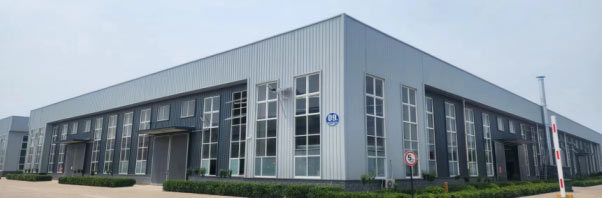
Specializing in the production of aircraft wheel chocks, rubber parts, silicone fluororubber products, waterstop, carrier rollers, conveyor belts, polyurethane accessories, nylon plastic parts, high-pressure oil pipes, metal hoses, various rubber strips, rubber wheels, wheel heat exchanger pads, etc.
Quick Link
Contact Info
ADDRESS:
Workshop 9, Wanxiang Equipment Industrial Park, Wuyi County, Hengshui City, Hebei Province, China
E-mail:


