Zhuo'er Rubber & Plastic Product Co., Ltd




Top Features to Look for in a Rubber Wheel Stop: Ensuring Traffic Safety and Efficiency
Pubdate:
2025-10-28

Top Features to Look for in a Rubber Wheel Stop
Rubber wheel stops serve as crucial safety devices in parking facilities and traffic management systems. They are designed to prevent vehicles from rolling past designated areas, thus enhancing safety for pedestrians and other vehicles. When choosing rubber wheel stops, several features are important to consider to ensure their effectiveness, durability, and suitability for your specific needs. This article explores the top features to look for in a rubber wheel stop, helping you make an informed decision.
Understanding Rubber Wheel Stops
Rubber wheel stops are solid, robust blocks made from high-quality recycled rubber. They come in various shapes and sizes, designed to withstand harsh weather conditions while providing a reliable stopping mechanism for vehicles. Their primary purpose is to prevent vehicles from moving beyond a designated point, thereby protecting structures, landscaping, and pedestrian walkways.
Why Choose Rubber Wheel Stops?
Rubber wheel stops offer several advantages over traditional concrete or plastic wheel stops. Some of these benefits include:
- **Durability**: Rubber is highly resistant to cracking, fading, and discoloration.
- **Weight**: Rubber wheel stops are heavy enough to stay in place without the need for anchoring.
- **Shock Absorption**: They provide a softer impact for vehicles, reducing the risk of damage.
- **Eco-Friendly**: Many rubber wheel stops are made from recycled materials, making them an environmentally conscious choice.
Key Features to Look For in Rubber Wheel Stops
When selecting rubber wheel stops, it is essential to consider the following features to ensure maximum effectiveness and safety.
1. Material Quality and Durability
The most critical aspect of rubber wheel stops is their material composition. Look for stops made from **high-quality, recycled rubber**. This ensures that the wheel stops can withstand varying weather conditions, including extreme heat and cold, without deteriorating. Durable materials also prevent wear and tear from repeated vehicle impacts.
Benefits of High-Quality Rubber
- **Weather Resistance**: Quality rubber can endure UV exposure and moisture, preventing fading and cracking.
- **Long Lifespan**: Investing in durable materials means fewer replacements and maintenance costs over time.
2. Size and Dimensions
Rubber wheel stops come in various sizes, typically ranging from 36 inches to 72 inches in length. The dimensions you choose should cater to the specific requirements of your parking facility or driveway.
Considering Vehicle Types
- **Standard Cars**: Standard wheel stops of about 6 inches in height and 36 inches in length generally suffice.
- **Larger Vehicles**: For trucks and vans, opt for larger dimensions to ensure adequate stopping points.
3. Visibility and Color
Visibility is a crucial feature of rubber wheel stops. Look for options that come in **high-visibility colors** like yellow or white. Additionally, reflective strips can enhance visibility in low-light conditions, reducing the risk of accidents.
The Importance of High Visibility
- **Safety**: Easily visible wheel stops help drivers quickly recognize boundaries, preventing collisions.
- **Aesthetic Appeal**: Bright colors can improve the overall look of your parking area while enhancing safety.
4. Installation and Maintenance
Consider the ease of installation and maintenance when selecting rubber wheel stops. Many models are designed for simple installation, often requiring no special tools or equipment.
Installation Options
- **Anchor-Free Designs**: Some rubber wheel stops feature a heavy design that keeps them in place without anchoring.
- **Bolted Options**: For added stability, look for stops designed to be bolted into the ground.
5. Weight and Stability
The weight of rubber wheel stops can significantly impact their performance. Heavier stops are less likely to shift or move when impacted by vehicles.
Finding the Right Weight Balance
- **Heavy-Duty Options**: Choose stops weighing at least 40 pounds for optimal stability.
- **Lightweight Designs**: While easier to handle, lighter stops may require anchoring to prevent movement.
6. Eco-Friendly Features
As businesses and individuals increasingly prioritize sustainability, selecting eco-friendly rubber wheel stops is beneficial. Many manufacturers produce these stops using recycled materials, contributing to environmental conservation.
The Environmental Impact
- **Recycling**: Utilizing recycled rubber helps reduce landfill waste and conserves resources.
- **Sustainable Practices**: Opting for eco-friendly products reflects a commitment to sustainability.
7. Cost-Effectiveness
When searching for rubber wheel stops, consider the cost versus the benefits. While cheaper options may be tempting, investing in high-quality materials often proves more cost-effective in the long run.
Evaluating Total Cost of Ownership
- **Maintenance Costs**: Cheaper products may require frequent replacements or repairs.
- **Long-Term Savings**: Investing in durable wheel stops reduces future expenses.
8. Customization Options
Some manufacturers offer customizable rubber wheel stops, allowing you to choose specific features, colors, and branding opportunities. This can be particularly useful for businesses looking to enhance their brand visibility.
Benefits of Customization
- **Brand Awareness**: Customized stops can feature your company logo, helping to promote brand recognition.
- **Tailored Solutions**: Custom sizes and colors ensure the wheel stops meet your specific needs.
Frequently Asked Questions (FAQs)
1. How long do rubber wheel stops last?
Rubber wheel stops can last several years, typically ranging from 5 to 10 years, depending on the quality of the material and environmental conditions.
2. Can rubber wheel stops be used outdoors?
Absolutely! Rubber wheel stops are designed to withstand outdoor elements, making them ideal for parking lots and driveways.
3. Are rubber wheel stops effective for large vehicles?
Yes, rubber wheel stops can effectively accommodate large vehicles, provided you select the appropriate size and weight for optimal performance.
4. How do I install rubber wheel stops?
Many rubber wheel stops come with easy installation options. Some can simply be placed on the ground, while others may require bolting for added stability.
5. Can I paint rubber wheel stops?
While it is possible to paint rubber wheel stops, it is recommended to use paint specifically designed for rubber surfaces to ensure better adhesion and longevity.
Conclusion
Choosing the right rubber wheel stop is essential for ensuring traffic safety and efficiency in your parking area. By considering features such as material quality, size, visibility, installation processes, and eco-friendliness, you can make an informed decision that enhances safety and functionality. Investing in high-quality rubber wheel stops not only protects vehicles but also serves as a long-term solution for traffic management. In a world where safety and sustainability are paramount, selecting the right rubber wheel stop can significantly impact your facility's overall effectiveness.
Recommended Reading
The Evolution of Rubber Wheel Stops in Traffic Safety
The Evolution of Rubber Wheel Stops in Traffic Safety Introduction: The Importance of Traffic Safety Devices Traffic safety is a critical aspect of urban planning and road management. Among the various tools employed to enhance safety on roadways, rubber wheel stops stand out as essential devices designed to prevent vehicle overrun and facilitate safe parking. Their evolution reflects a broader un
Understanding Silicone Gaskets: Essential Components for Automotive Engine Systems
Silicone gaskets are an integral part of automotive engine systems, designed to ensure proper sealing between various engine components. Their unique properties make them a popular choice in the automotive industry, particularly for applications that require durability and resilience under extreme conditions. One of the primary advantages of silicone gaskets is their exceptional temperature resist
Common Mistakes to Avoid When Using Wheel Chocks: A Comprehensive Guide
Common Mistakes to Avoid When Using Wheel Chocks: A Comprehensive Guide Understanding Wheel Chocks and Their Importance in Vehicle Safety Wheel chocks are crucial safety devices designed to prevent vehicles from rolling when parked on an incline or when working on them. Their primary function is to provide stability, ensuring that vehicles remain stationary. However, improper use can lead to dange
Understanding Aircraft Wheel Chocks: Essential Safety Devices for Aviation
Aircraft wheel chocks are designed to prevent aircraft from rolling when parked or during maintenance operations. These sturdy blocks are positioned against the wheels of an aircraft to secure it in place, ensuring safety for both the aircraft and personnel working around it. Understanding the functionality and importance of wheel chocks is crucial for anyone involved in aviation operations or saf
Polyurethane Scrapers vs. Traditional Materials: Which is Better for Safety?
Polyurethane Scrapers vs. Traditional Materials: Which is Better for Safety? Table of Contents 1. Introduction to Safety Equipment Materials 2. Understanding Polyurethane Scrapers 3. Traditional Materials in Safety Equipment 4. Advantages of Polyurethane Scrapers for Safety 5. Disadvantages of Polyurethane Scrapers 6. Benefits of Traditional Materials 7. Drawbacks of T
Understanding Rubber Butterfly Valves: Essential Components for Traffic Safety Devices
Rubber butterfly valves are vital components in various applications, particularly within the automotive and transportation safety equipment sectors. These valves operate using a circular disc that rotates within the flow of a medium—typically liquids or gases—allowing for easy regulation of the flow. The “rubber” aspect pertains to the sealing materials used in the valve's construction, offering
Company Profile
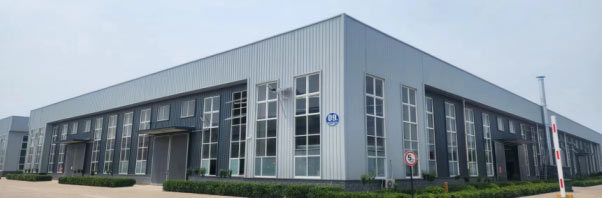
Specializing in the production of aircraft wheel chocks, rubber parts, silicone fluororubber products, waterstop, carrier rollers, conveyor belts, polyurethane accessories, nylon plastic parts, high-pressure oil pipes, metal hoses, various rubber strips, rubber wheels, wheel heat exchanger pads, etc.
Quick Link
Contact Info
ADDRESS:
Workshop 9, Wanxiang Equipment Industrial Park, Wuyi County, Hengshui City, Hebei Province, China
E-mail:


