Zhuo'er Rubber & Plastic Product Co., Ltd




Rubber Wheel Block Becomes Essential Safety Solution for Transportation and Industrial Operations
Pubdate:
2026-06-09
Rubber wheel block is playing an increasingly important role in transportation, logistics, construction, and industrial sectors as organizations focus on improving workplace safety and operational efficiency. Designed to prevent unintended vehicle movement, Rubber wheel block products are widely used for trucks, trailers, buses, aircraft ground equipment, forklifts, and heavy machinery. As global safety standards continue to evolve, demand for reliable wheel restraint systems is growing steadily, making Rubber wheel block a critical component in modern vehicle safety management.
Industry experts note that vehicle-related accidents caused by unexpected rolling or shifting remain a significant concern in loading docks, warehouses, construction sites, and transportation hubs. Rubber wheel block provides a simple yet highly effective solution by securing vehicle wheels during parking, loading, unloading, maintenance, and inspection activities. Manufactured from high-quality rubber compounds, these blocks offer excellent grip, impact resistance, and durability, ensuring dependable performance under demanding conditions.
Recent developments in Rubber wheel block manufacturing have focused on improving strength, visibility, and usability. Advanced rubber formulations provide enhanced resistance to weather exposure, UV radiation, oil contamination, and abrasion, extending product lifespan even in harsh environments. Manufacturers are also introducing reinforced internal structures that increase load-bearing capacity while maintaining flexibility and shock absorption characteristics. These innovations allow Rubber wheel block products to perform effectively across a wide range of vehicle sizes and operating conditions.

One of the major advantages of Rubber wheel block solutions is their adaptability. They are available in multiple sizes and configurations to accommodate different wheel diameters and vehicle weights. Lightweight models are commonly used for passenger vehicles and light commercial equipment, while heavy-duty versions are designed for large trucks, trailers, mining equipment, and construction machinery. Some specialized Rubber wheel block designs feature integrated handles, reflective strips, anti-slip surfaces, and ergonomic profiles to improve safety and operational convenience.
The logistics and warehousing industries are among the largest users of Rubber wheel block products. During loading and unloading operations, even minor vehicle movement can create serious safety hazards for workers and equipment. By securing vehicles in position, Rubber wheel block systems help reduce accident risks and improve compliance with occupational safety regulations. Many facilities have incorporated wheel blocks into standard operating procedures as part of comprehensive risk management programs.
Construction sites also rely heavily on Rubber wheel block technology. Heavy equipment often operates on uneven terrain where accidental movement can pose significant dangers. Durable wheel blocks help stabilize machinery during maintenance, storage, and transportation activities. Their resistance to moisture, dirt, and extreme temperatures makes them suitable for outdoor applications throughout the year.
Environmental sustainability has become another area of focus within the Rubber wheel block industry. Many manufacturers now utilize recycled rubber materials sourced from used tires and industrial rubber products. This approach helps reduce waste while producing highly durable wheel restraint solutions. By extending material life cycles and reducing environmental impact, recycled Rubber wheel block products support broader sustainability initiatives within transportation and industrial sectors.
Technological improvements are further enhancing product performance. Some modern Rubber wheel block solutions are being integrated with smart safety systems that include sensors and monitoring devices capable of detecting wheel position and vehicle movement. Although traditional wheel blocks remain the most common option, these advanced solutions demonstrate the industry's commitment to continuous innovation and workplace safety enhancement.
Market analysts predict strong growth for the Rubber wheel block sector over the coming years. Expansion of logistics networks, increased infrastructure investment, stricter workplace safety regulations, and growing industrial activity are expected to drive demand worldwide. Regions such as North America, Europe, Asia-Pacific, and the Middle East are experiencing increasing adoption of vehicle restraint equipment as companies prioritize employee safety and operational reliability.
Manufacturers are responding by expanding product lines and offering customized solutions tailored to specific industries. Custom Rubber wheel block products can be designed with unique dimensions, branding elements, color options, and load specifications to meet customer requirements. This flexibility allows businesses to implement safety solutions that align closely with operational needs while reinforcing corporate safety standards.
As workplace safety continues to be a major priority across industries, Rubber wheel block products remain one of the most practical and cost-effective methods for preventing vehicle movement. Their combination of durability, simplicity, adaptability, and long-term reliability ensures continued relevance in transportation, logistics, construction, and industrial applications. With ongoing advancements in materials, manufacturing processes, and safety technology, Rubber wheel block solutions are expected to remain a cornerstone of vehicle safety systems for years to come.
Recommended Reading
The Impact of Polyurethane Scrapers on Road Safety Innovations
The Impact of Polyurethane Scrapers on Road Safety Innovations Table of Contents Understanding Polyurethane Scrapers The Importance of Road Safety Innovations Benefits of Polyurethane Scrapers How Polyurethane Scrapers Work Applications of Polyurethane Scrapers in Traffic Safety The Future of Road Safety Innovations Case Studies: Success Stories Frequently Asked
Understanding Rubber Butterfly Valves: Applications and Benefits in Traffic Safety Equipment
Rubber butterfly valves play a critical role in various applications within the automotive and traffic safety equipment sector. Engineered to regulate fluid flow efficiently, these valves are particularly prized for their lightweight design and excellent sealing capabilities. The unique construction of rubber butterfly valves allows them to provide reliable performance in a range of conditions, ma
The Evolution of Rubber Wheel Stops in Traffic Safety
The Evolution of Rubber Wheel Stops in Traffic Safety Introduction: The Importance of Traffic Safety Devices Traffic safety is a critical aspect of urban planning and road management. Among the various tools employed to enhance safety on roadways, rubber wheel stops stand out as essential devices designed to prevent vehicle overrun and facilitate safe parking. Their evolution reflects a broader un
Understanding Silicone Gaskets: Essential Components for Automotive Engine Systems
Silicone gaskets are an integral part of automotive engine systems, designed to ensure proper sealing between various engine components. Their unique properties make them a popular choice in the automotive industry, particularly for applications that require durability and resilience under extreme conditions. One of the primary advantages of silicone gaskets is their exceptional temperature resist
Common Mistakes to Avoid When Using Wheel Chocks: A Comprehensive Guide
Common Mistakes to Avoid When Using Wheel Chocks: A Comprehensive Guide Understanding Wheel Chocks and Their Importance in Vehicle Safety Wheel chocks are crucial safety devices designed to prevent vehicles from rolling when parked on an incline or when working on them. Their primary function is to provide stability, ensuring that vehicles remain stationary. However, improper use can lead to dange
Understanding Aircraft Wheel Chocks: Essential Safety Devices for Aviation
Aircraft wheel chocks are designed to prevent aircraft from rolling when parked or during maintenance operations. These sturdy blocks are positioned against the wheels of an aircraft to secure it in place, ensuring safety for both the aircraft and personnel working around it. Understanding the functionality and importance of wheel chocks is crucial for anyone involved in aviation operations or saf
Company Profile
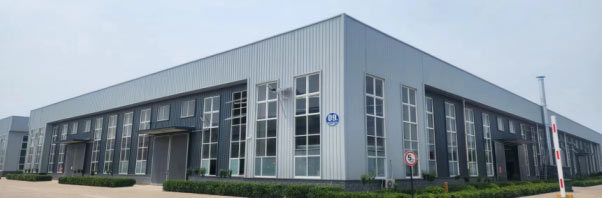
Specializing in the production of aircraft wheel chocks, rubber parts, silicone fluororubber products, waterstop, carrier rollers, conveyor belts, polyurethane accessories, nylon plastic parts, high-pressure oil pipes, metal hoses, various rubber strips, rubber wheels, wheel heat exchanger pads, etc.
Quick Link
Contact Info
ADDRESS:
Workshop 9, Wanxiang Equipment Industrial Park, Wuyi County, Hengshui City, Hebei Province, China
E-mail:


