Zhuo'er Rubber & Plastic Product Co., Ltd




Rubber Wheel Blocks: Reliable Safety Solutions for Vehicle Stability
Pubdate:
2026-02-09

Rubber wheel blocks, also known as wheel chocks, are essential safety devices used to prevent vehicles and heavy equipment from rolling unintentionally. They provide a simple yet highly effective solution for securing vehicles in various settings, including parking lots, garages, loading docks, construction sites, and industrial facilities. With a focus on durability, reliability, and safety, rubber wheel blocks have become a standard accessory for ensuring the stability of cars, trucks, trailers, and other wheeled machinery.
One of the primary advantages of rubber wheel blocks is their exceptional grip and slip resistance. Made from high-quality, heavy-duty rubber, these blocks can withstand harsh weather conditions, extreme temperatures, and prolonged exposure to sunlight without cracking or degrading. The non-slip surface design ensures secure contact with tires on multiple surfaces, including asphalt, concrete, gravel, and metal. This reliable traction prevents accidental movement, protecting both the vehicle and surrounding personnel from potential hazards.
Durability and strength are critical aspects of rubber wheel blocks. These products are engineered to endure repeated use and heavy loads, maintaining their shape and effectiveness over time. Unlike wooden or plastic alternatives, rubber blocks resist wear, deformation, and damage from environmental exposure. Their compact and lightweight design allows for easy handling, storage, and transportation, making them convenient for professional and personal use. Many models feature grooves or ridges on the contact surface, which further enhance tire grip and increase stability under load.
Safety is the core purpose of rubber wheel blocks. They are commonly used to secure vehicles during maintenance, loading or unloading operations, and temporary parking on slopes or uneven surfaces. By preventing unintentional rolling, these blocks reduce the risk of accidents, property damage, and injury to operators, pedestrians, or workers nearby. In commercial and industrial environments, rubber wheel blocks are an indispensable part of safety protocols, often paired with warning signs or cones to further enhance awareness.
Rubber wheel blocks are also versatile and adaptable. They are suitable for a wide range of vehicles, including cars, trucks, trailers, buses, forklifts, and construction machinery. Some models are designed for specific tire sizes or types, while others feature adjustable or modular configurations to accommodate various applications. Additionally, their resistance to oil, grease, and chemical exposure ensures long-term performance in workshops, factories, and outdoor environments.
Maintenance and usability are additional benefits of rubber wheel blocks. They require minimal care, typically only occasional cleaning to remove dirt or debris. Their lightweight yet sturdy construction makes them easy to place and remove quickly, allowing for efficient operations in busy environments. Many blocks are color-coded or marked with reflective elements to improve visibility, especially in low-light conditions, further enhancing safety.
Environmental sustainability is another consideration in modern rubber wheel blocks. High-quality recycled rubber materials are often used to manufacture these blocks, reducing environmental impact while maintaining performance. Their long service life and resistance to wear also reduce waste, making rubber wheel blocks a cost-effective and eco-friendly solution for vehicle safety.
In conclusion, rubber wheel blocks are a simple yet highly effective tool for preventing vehicle movement and ensuring safety in a wide range of applications. With their durable construction, slip-resistant surface, and versatile design, they provide reliable stability for cars, trucks, trailers, and industrial machinery. By enhancing safety, reducing accidents, and offering long-lasting performance, rubber wheel blocks remain an essential accessory for vehicle owners, operators, and safety-conscious workplaces worldwide.
Recommended Reading
Understanding Aircraft Wheel Chocks: Essential Safety Devices for Aviation
Aircraft wheel chocks are designed to prevent aircraft from rolling when parked or during maintenance operations. These sturdy blocks are positioned against the wheels of an aircraft to secure it in place, ensuring safety for both the aircraft and personnel working around it. Understanding the functionality and importance of wheel chocks is crucial for anyone involved in aviation operations or saf
Polyurethane Scrapers vs. Traditional Materials: Which is Better for Safety?
Polyurethane Scrapers vs. Traditional Materials: Which is Better for Safety? Table of Contents 1. Introduction to Safety Equipment Materials 2. Understanding Polyurethane Scrapers 3. Traditional Materials in Safety Equipment 4. Advantages of Polyurethane Scrapers for Safety 5. Disadvantages of Polyurethane Scrapers 6. Benefits of Traditional Materials 7. Drawbacks of T
Understanding Rubber Butterfly Valves: Essential Components for Traffic Safety Devices
Rubber butterfly valves are vital components in various applications, particularly within the automotive and transportation safety equipment sectors. These valves operate using a circular disc that rotates within the flow of a medium—typically liquids or gases—allowing for easy regulation of the flow. The “rubber” aspect pertains to the sealing materials used in the valve's construction, offering
How Rubber Wheel Stops Help Manage Traffic Flow Efficiently
How Rubber Wheel Stops Help Manage Traffic Flow Efficiently Table of Contents 1. Introduction to Rubber Wheel Stops 2. Understanding Traffic Flow Management 3. The Role of Rubber Wheel Stops in Traffic Safety 4. Key Benefits of Using Rubber Wheel Stops 4.1 Enhanced Safety in Parking Areas 4.2 Improved Space Utilization 4.3 Durability and Cost-Effectiveness 5. How to Install Rubber Wheel Stops Effe
Understanding Silicone Gaskets: Essential Components for Automotive Engine Systems
Silicone gaskets are vital components in automotive engine systems, especially when it comes to sealing various parts within the engine. Their unique properties make them ideal for high-temperature and high-pressure environments, which are common in automotive applications. Understanding their benefits, applications, and maintenance can help automotive professionals and enthusiasts alike ensure op
Wheel Chocks in Extreme Conditions: Essential Considerations for Safety and Performance
Wheel Chocks in Extreme Conditions: Essential Considerations for Safety and Performance Table of Contents Understanding Wheel Chocks: Basics and Functions The Importance of Wheel Chocks in Extreme Conditions Material Selection: Choosing the Right Wheel Chock Safety Standards and Certifications for Wheel Chocks Proper Usage Techniques for Wheel Chocks Maintenance and Inspec
Company Profile
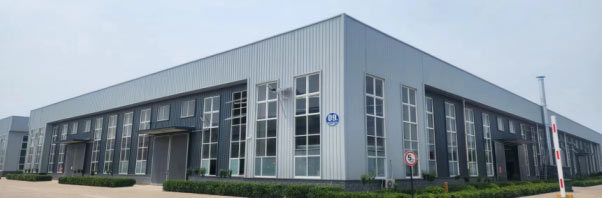
Specializing in the production of aircraft wheel chocks, rubber parts, silicone fluororubber products, waterstop, carrier rollers, conveyor belts, polyurethane accessories, nylon plastic parts, high-pressure oil pipes, metal hoses, various rubber strips, rubber wheels, wheel heat exchanger pads, etc.
Quick Link
Contact Info
ADDRESS:
Workshop 9, Wanxiang Equipment Industrial Park, Wuyi County, Hengshui City, Hebei Province, China
E-mail:


