Zhuo'er Rubber & Plastic Product Co., Ltd




Why Choose Polyurethane Scrapers for Your Traffic Safety Solutions?
Pubdate:
2026-02-10

Why Choose Polyurethane Scrapers for Your Traffic Safety Solutions?
Introduction to Polyurethane Scrapers
In today's rapidly evolving traffic environment, ensuring the safety of roadways has become paramount. One of the most innovative solutions for maintaining road safety is the use of **polyurethane scrapers**. These specialized tools are designed to enhance road maintenance, improve visibility, and promote safer driving conditions. This article delves into the benefits of **polyurethane scrapers**, their applications, and why they are an essential component of modern traffic safety solutions.
Understanding Polyurethane: The Material Behind the Scrapers
Polyurethane is a versatile polymer known for its durability and flexibility. Unlike traditional materials, polyurethane offers enhanced resistance to wear and tear, UV exposure, and extreme weather conditions. This makes it an ideal choice for various applications, especially in traffic safety.
The Properties of Polyurethane That Make It Ideal for Traffic Safety
- **Durability**: Polyurethane scrapers withstand harsh environments without significant degradation, ensuring longevity.
- **Flexibility**: The material's adaptability allows it to conform to different surfaces, providing effective scraping without damaging the underlying road.
- **Chemical Resistance**: Polyurethane is resistant to oils, fuels, and chemicals, making it suitable for use in diverse conditions.
- **Lightweight**: This reduces the effort required for handling and installation.
Key Benefits of Polyurethane Scrapers in Traffic Safety
Polyurethane scrapers offer numerous advantages that enhance their effectiveness in traffic safety solutions. Here are some of the most compelling benefits:
1. Enhanced Road Visibility
Polyurethane scrapers are effective in clearing debris, ice, and snow from road surfaces. By maintaining clear roadways, they significantly enhance visibility for drivers, reducing the risk of accidents during adverse weather conditions.
2. Improved Road Maintenance
Regular maintenance is crucial for extending the lifespan of roadways. Polyurethane scrapers can efficiently remove contaminants and debris, preventing buildup that can lead to more severe road damage over time.
3. Cost-Effectiveness
Investing in polyurethane scrapers is economically advantageous. Their durability means fewer replacements and lower maintenance costs in the long run. Organizations can save money while ensuring optimal traffic safety.
4. Versatile Applications
Polyurethane scrapers are not limited to just road maintenance. They can be utilized in a variety of settings, including parking lots, highways, and airports, making them a flexible choice for traffic safety.
Applications of Polyurethane Scrapers in Traffic Safety Solutions
Polyurethane scrapers have a wide range of applications that contribute to improved traffic safety. Understanding these applications helps to appreciate their value in various scenarios.
1. Snow and Ice Removal
During winter months, snow and ice accumulation can create hazardous driving conditions. Polyurethane scrapers can effectively clear these obstacles, maintaining safer roads for motorists.
2. Debris Management
Road debris, such as leaves, gravel, and litter, can obstruct visibility and create hazards. Polyurethane scrapers are excellent for clearing such debris, ensuring that roads remain safe for travel.
3. Surface Preparation
Before applying line markings or road treatments, it is essential to prepare the surface adequately. Polyurethane scrapers can efficiently remove old markings and contaminants, ensuring excellent adhesion for new applications.
4. Airport Runway Maintenance
Airport safety is of utmost importance, and polyurethane scrapers play a critical role. They are utilized to maintain clear and safe runway surfaces, ensuring that aircraft can take off and land without obstacles.
5. Parking Lot Maintenance
In commercial areas, maintaining parking lots is crucial for the safety of both vehicles and pedestrians. Polyurethane scrapers can help keep these areas clear and well-maintained, enhancing overall safety.
Choosing the Right Polyurethane Scraper for Your Needs
Selecting the appropriate polyurethane scraper for specific traffic safety applications can significantly impact performance and safety. Consider the following factors:
1. Size and Design
Different applications require different sizes and designs of scrapers. Assessing the area of use will help determine the right dimensions and shape for optimal performance.
2. Hardness Rating
Polyurethane scrapers come in varying hardness ratings. A softer scraper is more flexible and ideal for delicate surfaces, while a harder scraper offers better durability for heavy-duty applications.
3. Application Method
Consider how the scraper will be applied. Some scrapers are designed for manual use, while others may be compatible with machinery. Choose accordingly based on your operational needs.
Maintenance Tips for Polyurethane Scrapers
To maximize the lifespan and effectiveness of polyurethane scrapers, proper maintenance is crucial. Here are some tips to ensure longevity:
1. Regular Cleaning
After each use, clean the scrapers to remove any debris or contaminants. This helps prevent buildup that can impair performance.
2. Inspect for Wear
Regularly inspect scrapers for signs of wear and tear. Addressing minor issues early can prevent more significant problems down the line.
3. Store Properly
When not in use, store polyurethane scrapers in a cool, dry place away from direct sunlight to prevent degradation of the material.
Frequently Asked Questions (FAQs)
1. What are polyurethane scrapers made of?
Polyurethane scrapers are made from a versatile polymer known for its durability, flexibility, and resistance to chemicals.
2. How do I know if a polyurethane scraper is right for my needs?
Consider the specific application, size requirements, and hardness rating when selecting a polyurethane scraper.
3. Can polyurethane scrapers be used in extreme weather conditions?
Yes, polyurethane scrapers are designed to withstand extreme weather, making them suitable for various environments, including hot, cold, and wet conditions.
4. How often should I maintain my polyurethane scrapers?
Regular maintenance is vital. Clean the scrapers after each use and conduct inspections to address any wear.
5. Are polyurethane scrapers cost-effective?
Yes, while the initial investment may be higher, their durability and reduced maintenance needs make them a cost-effective choice in the long run.
Conclusion
In summary, the choice of **polyurethane scrapers** for traffic safety solutions is not merely a trend but a strategic decision driven by their unique benefits and versatile applications. With their durability, flexibility, and effectiveness in enhancing road visibility and maintenance, these scrapers are indispensable in modern traffic management. Investing in high-quality polyurethane scrapers is an investment in safety, efficiency, and long-term cost savings. By choosing the right tools for traffic safety, we can ensure safer roads for everyone.
Recommended Reading
Understanding Aircraft Wheel Chocks: Essential Safety Devices for Aviation
Aircraft wheel chocks are designed to prevent aircraft from rolling when parked or during maintenance operations. These sturdy blocks are positioned against the wheels of an aircraft to secure it in place, ensuring safety for both the aircraft and personnel working around it. Understanding the functionality and importance of wheel chocks is crucial for anyone involved in aviation operations or saf
Polyurethane Scrapers vs. Traditional Materials: Which is Better for Safety?
Polyurethane Scrapers vs. Traditional Materials: Which is Better for Safety? Table of Contents 1. Introduction to Safety Equipment Materials 2. Understanding Polyurethane Scrapers 3. Traditional Materials in Safety Equipment 4. Advantages of Polyurethane Scrapers for Safety 5. Disadvantages of Polyurethane Scrapers 6. Benefits of Traditional Materials 7. Drawbacks of T
Understanding Rubber Butterfly Valves: Essential Components for Traffic Safety Devices
Rubber butterfly valves are vital components in various applications, particularly within the automotive and transportation safety equipment sectors. These valves operate using a circular disc that rotates within the flow of a medium—typically liquids or gases—allowing for easy regulation of the flow. The “rubber” aspect pertains to the sealing materials used in the valve's construction, offering
How Rubber Wheel Stops Help Manage Traffic Flow Efficiently
How Rubber Wheel Stops Help Manage Traffic Flow Efficiently Table of Contents 1. Introduction to Rubber Wheel Stops 2. Understanding Traffic Flow Management 3. The Role of Rubber Wheel Stops in Traffic Safety 4. Key Benefits of Using Rubber Wheel Stops 4.1 Enhanced Safety in Parking Areas 4.2 Improved Space Utilization 4.3 Durability and Cost-Effectiveness 5. How to Install Rubber Wheel Stops Effe
Understanding Silicone Gaskets: Essential Components for Automotive Engine Systems
Silicone gaskets are vital components in automotive engine systems, especially when it comes to sealing various parts within the engine. Their unique properties make them ideal for high-temperature and high-pressure environments, which are common in automotive applications. Understanding their benefits, applications, and maintenance can help automotive professionals and enthusiasts alike ensure op
Wheel Chocks in Extreme Conditions: Essential Considerations for Safety and Performance
Wheel Chocks in Extreme Conditions: Essential Considerations for Safety and Performance Table of Contents Understanding Wheel Chocks: Basics and Functions The Importance of Wheel Chocks in Extreme Conditions Material Selection: Choosing the Right Wheel Chock Safety Standards and Certifications for Wheel Chocks Proper Usage Techniques for Wheel Chocks Maintenance and Inspec
Company Profile
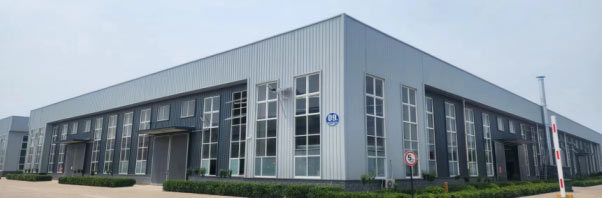
Specializing in the production of aircraft wheel chocks, rubber parts, silicone fluororubber products, waterstop, carrier rollers, conveyor belts, polyurethane accessories, nylon plastic parts, high-pressure oil pipes, metal hoses, various rubber strips, rubber wheels, wheel heat exchanger pads, etc.
Quick Link
Contact Info
ADDRESS:
Workshop 9, Wanxiang Equipment Industrial Park, Wuyi County, Hengshui City, Hebei Province, China
E-mail:


