Zhuo'er Rubber & Plastic Product Co., Ltd




Top Features to Look for in Quality Rubber Wheel Stops
Pubdate:
2026-06-29

Top Features to Look for in Quality Rubber Wheel Stops
Rubber wheel stops are vital components in traffic management, specifically designed to prevent vehicles from overshooting parking spaces. These rubber products are not just functional; they also contribute significantly to enhancing safety in various environments, including commercial parking lots, residential areas, and public spaces. To help you make an informed decision when purchasing rubber wheel stops, we explore the essential features you should look for.
Understanding the Importance of Rubber Wheel Stops
Rubber wheel stops offer numerous benefits, including:
1. **Safety Enhancement**: They help prevent collisions and accidents by marking parking boundaries.
2. **Durability**: Quality rubber wheel stops can withstand heavy loads and harsh weather conditions.
3. **Cost-Effectiveness**: Investing in high-quality stops can reduce maintenance costs and prolong their lifespan.
Key Features to Consider When Choosing Rubber Wheel Stops
When selecting rubber wheel stops, consider the following crucial features that ensure quality and effectiveness.
1. Material Quality
The material used in manufacturing rubber wheel stops is a critical determinant of their performance. High-quality rubber provides resilience and flexibility, ensuring that the stops can absorb shocks effectively.
- **Weather Resistance**: The rubber should be able to withstand extreme temperatures, UV rays, and moisture without deteriorating.
- **Non-toxic Composition**: Look for stops made from non-toxic rubber, ensuring safety for both users and the environment.
2. Size and Dimensions
The size of rubber wheel stops can significantly influence their effectiveness in controlling vehicle movement.
- **Standard Length**: Most wheel stops are around 6 feet long, providing adequate space to accommodate various vehicle sizes.
- **Height and Width**: A height of 4 to 6 inches is optimal for visibility while still allowing for a smooth drive-over. Width should also be sufficient to ensure stability.
3. Visibility Features
Visibility is essential for ensuring that drivers can easily identify the wheel stops, especially in low-light conditions.
- **Reflective Strips**: Look for wheel stops that incorporate reflective materials to enhance visibility at night or in poor weather.
- **Bright Colors**: Bright yellow or orange colors are highly recommended as they stand out against the asphalt or concrete.
4. Weight and Stability
The weight of rubber wheel stops plays a crucial role in their stability.
- **Hefty Design**: Heavier stops are less likely to shift or move when vehicles drive over them. Opt for stops weighing between 50 to 90 pounds.
- **Proper Base**: A wider base adds to the stability of the wheel stop, preventing tipping or displacement.
5. Installation Ease
Simple installation is a significant advantage when choosing rubber wheel stops.
- **Pre-drilled Holes**: Many quality stops come with pre-drilled holes for easy mounting.
- **Versatile Installation Options**: Look for products that can be installed using either bolts or adhesive for added flexibility.
6. Environmental Impact
Choosing eco-friendly rubber wheel stops can contribute positively to environmental conservation.
- **Recycled Materials**: Some rubber stops are made from recycled tires, reducing waste and promoting sustainability.
- **Non-toxic Production**: Ensure that the manufacturing process is environmentally friendly and does not release harmful chemicals.
7. Price vs. Quality
While price is a consideration, it should not compromise quality.
- **Cost-Effective Options**: Investing in higher-quality rubber wheel stops may incur a higher upfront cost but will ultimately save money through durability and reduced replacement needs.
- **Warranties**: Many reputable manufacturers offer warranties, which can indicate confidence in the product's quality.
8. Compliance with Standards
Ensure that the rubber wheel stops meet local safety regulations and standards.
- **Certifications**: Look for products that comply with safety regulations set by local authorities or industry standards.
- **Testing and Reviews**: Research reviews and testing results to confirm that the product meets performance expectations.
How Rubber Wheel Stops Enhance Traffic Safety
Rubber wheel stops are not just useful in parking lots; their application extends to various areas, enhancing safety throughout.
Parking Lots
In commercial and residential parking lots, rubber wheel stops organize parking space, reduce accidents, and improve user experience by clearly defining boundaries.
Public Spaces
In public areas such as parks and recreational facilities, rubber stops can protect pedestrians from vehicle traffic, creating a safer environment for all users.
Roadside Parking
For roadside parking, rubber wheel stops can ensure vehicles do not encroach onto sidewalks, maintaining pedestrian pathways.
Maintenance Tips for Rubber Wheel Stops
Maintaining rubber wheel stops ensures they remain functional and effective.
Regular Inspections
Conduct regular inspections to check for signs of wear or damage. Promptly address any issues to maintain safety and effectiveness.
Cleaning
Keep the wheel stops free from debris, dirt, and snow to ensure visibility and effectiveness. A simple wash with soap and water can often suffice.
Repainting Reflective Strips
If the reflective strips begin to fade, consider repainting them to enhance visibility.
Conclusion
Choosing the right rubber wheel stops is crucial for enhancing safety in various environments. By focusing on essential features such as material quality, size, visibility, and compliance with safety standards, you can ensure that your investment contributes positively to traffic management. With the right rubber wheel stops in place, you can significantly reduce the risk of accidents, protect pedestrians, and create a more organized parking experience. Whether for commercial or residential use, understanding these features will help you select the best products for your needs.
FAQs
1. What is the ideal height for rubber wheel stops?
The ideal height for rubber wheel stops is typically between 4 to 6 inches to ensure visibility and functionality.
2. Can rubber wheel stops be used in outdoor conditions?
Yes, high-quality rubber wheel stops are designed to withstand outdoor conditions, including UV exposure and temperature fluctuations.
3. How do I install rubber wheel stops?
Rubber wheel stops can often be installed using pre-drilled holes with bolts or adhesive, depending on the product specifications.
4. Are rubber wheel stops environmentally friendly?
Many rubber wheel stops are made from recycled materials, making them a more environmentally friendly option for traffic management.
5. How do I maintain rubber wheel stops?
Regular inspections, cleaning, and repainting reflective strips are essential maintenance practices to ensure the longevity of rubber wheel stops.
Recommended Reading
How Rubber Wheel Stops Help Manage Traffic Flow Efficiently
How Rubber Wheel Stops Help Manage Traffic Flow Efficiently Table of Contents 1. Introduction to Rubber Wheel Stops 2. Understanding Traffic Flow Management 3. The Role of Rubber Wheel Stops in Traffic Safety 4. Key Benefits of Using Rubber Wheel Stops 4.1 Enhanced Safety in Parking Areas 4.2 Improved Space Utilization 4.3 Durability and Cost-Effectiveness 5. How to Install Rubber Wheel Stops Effe
Understanding Silicone Gaskets: Essential Components for Automotive Engine Systems
Silicone gaskets are vital components in automotive engine systems, especially when it comes to sealing various parts within the engine. Their unique properties make them ideal for high-temperature and high-pressure environments, which are common in automotive applications. Understanding their benefits, applications, and maintenance can help automotive professionals and enthusiasts alike ensure op
Wheel Chocks in Extreme Conditions: Essential Considerations for Safety and Performance
Wheel Chocks in Extreme Conditions: Essential Considerations for Safety and Performance Table of Contents Understanding Wheel Chocks: Basics and Functions The Importance of Wheel Chocks in Extreme Conditions Material Selection: Choosing the Right Wheel Chock Safety Standards and Certifications for Wheel Chocks Proper Usage Techniques for Wheel Chocks Maintenance and Inspec
The Essential Guide to Aircraft Wheel Chocks: Enhancing Safety in Aviation
Aircraft wheel chocks are essential safety devices used to secure aircraft in place when they are parked or undergoing loading and unloading. Their primary function is to prevent accidental movement, ensuring both personnel and equipment are safe from potential hazards. Understanding the significance of wheel chocks is vital for professionals in the aviation and transportation safety sectors. Ther
Understanding the Functionality of Polyurethane Scrapers in Vehicles
Understanding the Functionality of Polyurethane Scrapers in Vehicles Table of Contents 1. Introduction to Polyurethane Scrapers 2. What Are Polyurethane Scrapers? 3. The Importance of Polyurethane Scrapers in Vehicles 4. Benefits of Using Polyurethane Scrapers 5. Applications of Polyurethane Scrapers in the Automotive Industry 6. Maintenance and Care for Polyurethane Scrap
Understanding the Benefits and Applications of Rubber Butterfly Valves
Rubber butterfly valves are essential components in various industrial applications, particularly in the automotive and traffic safety equipment sectors. These valves are designed to control the flow of fluids and gases, making them a vital part of many systems. Their construction typically consists of a rubber-seated disc that rotates around a shaft, providing effective sealing and regulating cap
Company Profile
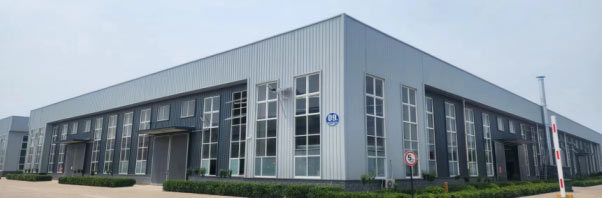
Specializing in the production of aircraft wheel chocks, rubber parts, silicone fluororubber products, waterstop, carrier rollers, conveyor belts, polyurethane accessories, nylon plastic parts, high-pressure oil pipes, metal hoses, various rubber strips, rubber wheels, wheel heat exchanger pads, etc.
Quick Link
Contact Info
ADDRESS:
Workshop 9, Wanxiang Equipment Industrial Park, Wuyi County, Hengshui City, Hebei Province, China
E-mail:


