Zhuo'er Rubber & Plastic Product Co., Ltd




The Versatility of Rubber Wheel Stops in Various Environments: A Comprehensive Guide
Pubdate:
2026-05-23

The Versatility of Rubber Wheel Stops in Various Environments
Introduction to Rubber Wheel Stops
Rubber wheel stops are essential components in traffic management and safety, particularly in parking lots and commercial spaces. These devices help control vehicle movement, prevent damage to structures, and ensure safety for both pedestrians and drivers. In this article, we will explore the various environments where rubber wheel stops can be employed, their benefits, and their installation.
What Are Rubber Wheel Stops?
Rubber wheel stops are sturdy, resilient barriers designed to halt vehicles in designated areas. They are typically made from recycled rubber, which not only makes them environmentally friendly but also gives them a degree of durability that outperforms traditional concrete or plastic options. Their design is tailored to absorb the impact of vehicle collision, significantly reducing the risk of damage to both the vehicle and surrounding structures.
The Key Features of Rubber Wheel Stops
Rubber wheel stops come with a variety of features that enhance their usability and effectiveness:
- **Durability**: Rubber can withstand extreme weather conditions without cracking or fading, providing long-lasting performance.
- **Visibility**: Many rubber wheel stops include reflective strips or bright colors to enhance visibility, especially in low-light conditions.
- **Eco-Friendly**: Made from recycled materials, they promote sustainability in construction and urban planning.
- **Lightweight**: Compared to concrete alternatives, rubber stops are easier to handle and install, reducing labor costs.
Benefits of Using Rubber Wheel Stops
When considering traffic management solutions, rubber wheel stops provide an array of benefits that make them a preferred choice for many industries.
Enhanced Safety for Pedestrians and Vehicles
Rubber wheel stops play a crucial role in maintaining safety in environments where vehicle and pedestrian traffic intersect. They effectively delineate parking spaces and drive lanes, reducing the likelihood of accidents. Their ability to absorb shock also minimizes potential injuries during minor collisions.
Preventing Property Damage
By clearly marking boundaries and halting vehicle movement, rubber wheel stops help protect buildings, landscaping, and other infrastructure from accidental damage. This protection is particularly valuable in areas with tight parking conditions or heavy foot traffic.
Cost-Effective Solution
Investing in rubber wheel stops can lead to long-term savings. Their durability minimizes replacement costs, and their ease of installation reduces labor expenses. Furthermore, their eco-friendly nature can contribute to a positive public image, especially for businesses committed to sustainable practices.
Applications of Rubber Wheel Stops in Various Environments
Rubber wheel stops are versatile and can be effectively used in multiple environments, enhancing safety and functionality.
Parking Lots
In commercial and residential parking lots, rubber wheel stops are essential for maintaining order. They provide clear boundaries for parking spaces, ensuring that vehicles are parked correctly and efficiently. Their use minimizes the risk of collisions with adjacent vehicles or structures.
Shopping Malls and Retail Spaces
High-traffic areas like shopping malls benefit significantly from rubber wheel stops. They help manage traffic flow, delineate pedestrian walkways, and enhance overall safety for shoppers. Additionally, their visible design can guide drivers and reduce confusion in busy parking lots.
Warehouses and Industrial Environments
In warehouses, the movement of heavy machinery and delivery vehicles is a daily occurrence. Rubber wheel stops can be strategically placed to prevent vehicles from encroaching on pedestrian paths and loading areas, ensuring safety for workers and efficient operations.
Public Facilities
Parks, recreational areas, and public facilities can also utilize rubber wheel stops to manage vehicle access and protect pedestrian spaces. They are effective in directing traffic and ensuring that vehicles remain in designated areas, promoting a safer environment for families and visitors.
Residential Areas
Even in private residential settings, rubber wheel stops can enhance safety. Homeowners can use them to create designated parking areas or to protect driveways and landscaping from accidental damage by vehicles. Their residential application offers both functionality and aesthetic appeal.
Installation of Rubber Wheel Stops
Proper installation is key to ensuring the effectiveness of rubber wheel stops in any environment. Here are steps to follow for a successful installation:
Preparation of the Installation Site
Before installing rubber wheel stops, it is essential to prepare the site adequately. This includes clearing the area of debris and ensuring a level surface for proper adherence. For optimal results, consider marking the installation points based on the required vehicle spacing.
Securing the Wheel Stops
While rubber wheel stops are relatively lightweight, securing them is crucial to prevent movement. They can be secured using bolts, adhesive, or heavy-duty anchors, depending on the surface type. Ensure that the fastening method aligns with the expected traffic conditions and weight of vehicles.
Maintenance Tips for Longevity
To maximize the lifespan of rubber wheel stops, regular maintenance is necessary. This includes cleaning the surface to remove debris and checking for any signs of wear. Repainting reflective strips or replacing faded components maintains visibility and safety.
Comparing Rubber Wheel Stops with Other Materials
It is important to understand how rubber wheel stops stack up against alternatives like concrete and plastic.
Rubber vs. Concrete Wheel Stops
- **Durability**: Rubber is less prone to cracking and weather damage compared to concrete.
- **Weight**: Rubber wheel stops are lighter and easier to transport and install.
- **Safety**: Rubber's shock-absorbing properties offer a greater level of safety during vehicle impacts.
Rubber vs. Plastic Wheel Stops
- **Eco-Friendliness**: Rubber stops are made from recycled materials, while plastic options may not be as environmentally friendly.
- **Visibility**: Rubber wheel stops often offer better visibility features, such as reflective strips, enhancing safety in dark conditions.
- **Cost Efficiency**: Although upfront costs may vary, rubber wheel stops generally offer better long-term durability and savings.
FAQs About Rubber Wheel Stops
1. What is the lifespan of rubber wheel stops?
The lifespan of rubber wheel stops can vary based on factors such as weather conditions and traffic load, but they typically last for several years with proper maintenance.
2. Can rubber wheel stops be used indoors?
Yes, rubber wheel stops are suitable for both indoor and outdoor use, providing flexibility across various environments.
3. How do I clean rubber wheel stops?
Cleaning rubber wheel stops is simple; a mixture of soap and water can be used to wipe down the surface and remove dirt or debris.
4. Are rubber wheel stops effective in winter conditions?
Absolutely. Rubber wheel stops maintain their integrity in cold temperatures and are designed to resist slipping in icy conditions, ensuring safety year-round.
5. How do I choose the right size of rubber wheel stops for my needs?
Selecting the appropriate size depends on the specifics of your parking area or environment. Consider factors such as vehicle size, spacing, and visibility requirements.
Conclusion
Rubber wheel stops are indispensable tools for enhancing safety and efficiency in various environments, from bustling parking lots to quiet residential areas. Their versatility, durability, and eco-friendly nature make them an ideal choice for traffic management. By understanding their applications and benefits, businesses and homeowners alike can implement these effective devices to maintain order and protect both vehicles and pedestrians. Investing in quality rubber wheel stops is not just a purchase; it's a commitment to safety and sustainability in our communities.
Recommended Reading
Understanding Aircraft Wheel Chocks: Essential Safety Devices for Aviation
Aircraft wheel chocks are designed to prevent aircraft from rolling when parked or during maintenance operations. These sturdy blocks are positioned against the wheels of an aircraft to secure it in place, ensuring safety for both the aircraft and personnel working around it. Understanding the functionality and importance of wheel chocks is crucial for anyone involved in aviation operations or saf
Polyurethane Scrapers vs. Traditional Materials: Which is Better for Safety?
Polyurethane Scrapers vs. Traditional Materials: Which is Better for Safety? Table of Contents 1. Introduction to Safety Equipment Materials 2. Understanding Polyurethane Scrapers 3. Traditional Materials in Safety Equipment 4. Advantages of Polyurethane Scrapers for Safety 5. Disadvantages of Polyurethane Scrapers 6. Benefits of Traditional Materials 7. Drawbacks of T
Understanding Rubber Butterfly Valves: Essential Components for Traffic Safety Devices
Rubber butterfly valves are vital components in various applications, particularly within the automotive and transportation safety equipment sectors. These valves operate using a circular disc that rotates within the flow of a medium—typically liquids or gases—allowing for easy regulation of the flow. The “rubber” aspect pertains to the sealing materials used in the valve's construction, offering
How Rubber Wheel Stops Help Manage Traffic Flow Efficiently
How Rubber Wheel Stops Help Manage Traffic Flow Efficiently Table of Contents 1. Introduction to Rubber Wheel Stops 2. Understanding Traffic Flow Management 3. The Role of Rubber Wheel Stops in Traffic Safety 4. Key Benefits of Using Rubber Wheel Stops 4.1 Enhanced Safety in Parking Areas 4.2 Improved Space Utilization 4.3 Durability and Cost-Effectiveness 5. How to Install Rubber Wheel Stops Effe
Understanding Silicone Gaskets: Essential Components for Automotive Engine Systems
Silicone gaskets are vital components in automotive engine systems, especially when it comes to sealing various parts within the engine. Their unique properties make them ideal for high-temperature and high-pressure environments, which are common in automotive applications. Understanding their benefits, applications, and maintenance can help automotive professionals and enthusiasts alike ensure op
Wheel Chocks in Extreme Conditions: Essential Considerations for Safety and Performance
Wheel Chocks in Extreme Conditions: Essential Considerations for Safety and Performance Table of Contents Understanding Wheel Chocks: Basics and Functions The Importance of Wheel Chocks in Extreme Conditions Material Selection: Choosing the Right Wheel Chock Safety Standards and Certifications for Wheel Chocks Proper Usage Techniques for Wheel Chocks Maintenance and Inspec
Company Profile
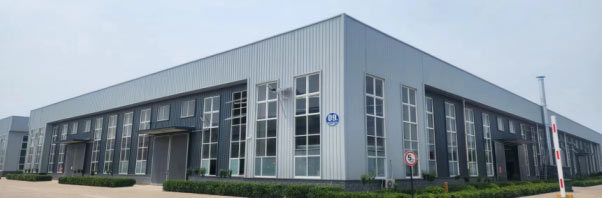
Specializing in the production of aircraft wheel chocks, rubber parts, silicone fluororubber products, waterstop, carrier rollers, conveyor belts, polyurethane accessories, nylon plastic parts, high-pressure oil pipes, metal hoses, various rubber strips, rubber wheels, wheel heat exchanger pads, etc.
Quick Link
Contact Info
ADDRESS:
Workshop 9, Wanxiang Equipment Industrial Park, Wuyi County, Hengshui City, Hebei Province, China
E-mail:


