Zhuo'er Rubber & Plastic Product Co., Ltd




Understanding Rubber Butterfly Valves: Essential Insights for Professionals in Traffic Safety Equipment
Pubdate:
2026-05-26

A rubber butterfly valve consists of a circular disc or "butterfly" that rotates within a pipe. When the disc is turned, it either allows flow through the valve or cuts off the flow completely. The body of these valves is typically made of materials that provide durability and resistance to wear, while the rubber lining ensures a tight seal, reducing leakage and enhancing performance.
One of the main advantages of rubber butterfly valves is their lightweight design. This feature not only facilitates easier installation but also reduces the overall weight of the assemblies in which they are used. Furthermore, their compact construction allows them to fit into smaller spaces, making them ideal for applications where space is at a premium.
In the context of traffic safety equipment, rubber butterfly valves are often utilized in systems that manage water flow, such as drainage and stormwater management systems. Their ability to quickly open and close makes them suitable for controlling floodwaters, thereby playing a vital role in maintaining road safety during adverse weather conditions. Additionally, the rubber material enhances their resistance to corrosion and UV exposure, making them suitable for outdoor applications.
Another significant benefit is that rubber butterfly valves can be operated manually or automatically, depending on the system requirements. Automated systems offer enhanced control, allowing for quick responses to changing conditions, which is essential for maintaining safety in traffic management.
When selecting a rubber butterfly valve for your application, consider factors such as the size of the valve, the type of fluid being handled, and the specific environmental conditions. Compatibility with the existing piping system is also crucial to ensure optimal performance.
In conclusion, rubber butterfly valves are a versatile and effective solution for fluid control in traffic safety equipment applications. Their lightweight design, compact size, and robust performance characteristics make them an excellent choice for professionals looking to enhance the reliability and safety of their systems. Understanding the features and benefits of these valves can significantly improve operational efficiency and contribute to better traffic management solutions.
Recommended Reading
Are Polyurethane Scrapers the Optimal Selection for Traffic Safety Devices?
Are Polyurethane Scrapers the Optimal Selection for Traffic Safety Devices? Traffic safety devices play a crucial role in ensuring the safety of both drivers and pedestrians. With various materials available for manufacturing these devices, it is essential to choose the right ones to guarantee efficacy and durability. Among the options, polyurethane scrapers have gained attention for their effecti
Unveiling the Benefits and Applications of Rubber Butterfly Valves
Rubber butterfly valves are crucial components in many industrial systems, particularly in the automotive and transportation safety device sectors. These valves, characterized by their simple yet effective design, consist of a circular disc that rotates on a shaft to open or close the flow of fluids. The rubber lining provides an airtight seal, making them highly efficient for controlling flow in
Rubber Wheel Stops: Enhancing Aesthetics and Safety Together
Rubber Wheel Stops: Enhancing Aesthetics and Safety Together In today's world, where safety and aesthetics go hand-in-hand, rubber wheel stops have emerged as essential components in various parking and traffic management solutions. These innovative products serve a dual purpose: enhancing the safety of vehicles and pedestrians while also contributing to the overall appearance of the environment.
The Essential Role of Silicone Gaskets in Automotive Engine Systems
Silicone gaskets have become an indispensable component in modern automotive engine systems, particularly within the realm of sealing solutions. These gaskets are engineered from silicone rubber, which offers a unique combination of flexibility, resilience, and thermal stability. Their chemical and physical properties make them particularly advantageous for use in various engine applications, ensu
How to Store Wheel Chocks for Longevity and Effectiveness
How to Store Wheel Chocks for Longevity and Effectiveness Wheel chocks are essential safety devices utilized in various industries, including transportation, construction, and automotive. They ensure that vehicles remain stationary, preventing accidents and injuries. However, the effectiveness of wheel chocks can be compromised if they are not stored properly. In this comprehensive guide, we will
Essential Insights on Aircraft Wheel Chocks: Ensuring Safety and Stability
Aircraft wheel chocks are vital safety devices used to prevent aircraft from rolling when parked. They are essential for ensuring stability during loading and unloading, as well as maintenance operations. These devices are typically made from durable materials such as rubber, plastic, or metal, allowing them to withstand the considerable weight of various aircraft types. Understanding the function
Company Profile
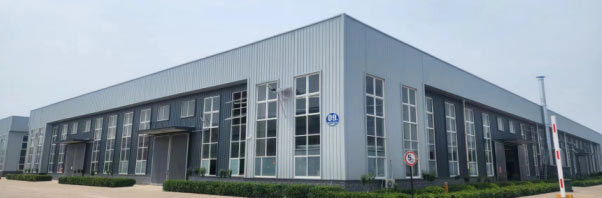
Specializing in the production of aircraft wheel chocks, rubber parts, silicone fluororubber products, waterstop, carrier rollers, conveyor belts, polyurethane accessories, nylon plastic parts, high-pressure oil pipes, metal hoses, various rubber strips, rubber wheels, wheel heat exchanger pads, etc.
Quick Link
Contact Info
ADDRESS:
Workshop 9, Wanxiang Equipment Industrial Park, Wuyi County, Hengshui City, Hebei Province, China
E-mail:


