Zhuo'er Rubber & Plastic Product Co., Ltd




Rubber Wheel Stops: A Key Component of Effective Traffic Control
Pubdate:
2026-05-14

Rubber Wheel Stops: A Key Component of Effective Traffic Control
Table of Contents
- 1. Introduction to Rubber Wheel Stops
- 2. Importance of Traffic Control in Modern Society
- 3. Benefits of Using Rubber Wheel Stops
- 4. Applications of Rubber Wheel Stops
- 5. Installation Guidelines for Rubber Wheel Stops
- 6. Maintenance and Care for Rubber Wheel Stops
- 7. Rubber Wheel Stops vs. Traditional Options
- 8. Conclusion
- 9. Frequently Asked Questions
1. Introduction to Rubber Wheel Stops
Rubber wheel stops are a vital tool in the realm of **traffic management and safety**. These physical barriers are designed to prevent vehicles from overrunning designated areas in parking lots, ensuring that vehicles are parked correctly and safely. Made from durable rubber materials, they are both cost-effective and environmentally friendly, providing long-lasting solutions for traffic control.
2. Importance of Traffic Control in Modern Society
In today’s fast-paced urban environments, effective traffic control is more critical than ever. Traffic incidents can lead to severe injuries, fatalities, and significant property damage. Implementing measures such as rubber wheel stops helps manage vehicle flow, reduce accidents, and promote safe parking practices. The rise in vehicle numbers necessitates **innovative solutions** that prioritize safety and efficiency.
3. Benefits of Using Rubber Wheel Stops
Rubber wheel stops offer numerous advantages that enhance traffic control systems:
3.1 Enhanced Vehicle Safety
The primary benefit of rubber wheel stops is their ability to protect both vehicles and pedestrians. By clearly marking parking boundaries, they minimize the risk of vehicle collisions and accidents.
3.2 Eco-Friendly Solution
Constructed from recycled rubber, these wheel stops are an **environmentally responsible** choice. Their production process not only reduces waste but also minimizes the carbon footprint associated with manufacturing.
3.3 Durability and Weather Resistance
Rubber wheel stops are designed to withstand various weather conditions, making them ideal for outdoor use. Their resilience ensures they maintain structural integrity over time, providing a reliable traffic control solution.
3.4 Cost-Effective Traffic Management
Investing in rubber wheel stops is a cost-effective approach to traffic management. Their durability means less frequent replacements, resulting in long-term savings for businesses and municipalities.
4. Applications of Rubber Wheel Stops
Rubber wheel stops are versatile and can be used in various settings:
4.1 Parking Lots
In commercial and residential parking lots, rubber wheel stops help define parking spaces. They ensure that vehicles are parked within designated areas, optimizing space usage and preventing damage to property.
4.2 Roadway Traffic Management
Rubber wheel stops are also effective tools for managing traffic on public roads. They can be utilized in areas where turning radii need to be controlled, guiding vehicles and preventing encroachments.
4.4 Industrial Facilities
In warehouses and industrial sites, rubber wheel stops ensure that vehicles do not exceed designated parking areas, enhancing safety and efficiency in high-traffic environments.
5. Installation Guidelines for Rubber Wheel Stops
Proper installation is essential for the effective functioning of rubber wheel stops. Here’s a brief guide:
5.1 Selecting the Right Location
Identify areas where wheel stops will provide the most benefit. Common locations include the ends of parking rows and areas adjacent to pedestrian walkways.
5.2 Surface Preparation
Ensure that the surface where the wheel stops will be installed is clean and free from debris. This step is crucial for the stability of the installation.
5.3 Securing the Wheel Stops
Though rubber wheel stops can be placed on the ground, securing them using bolts or adhesive can enhance their effectiveness, especially in high-traffic areas.
6. Maintenance and Care for Rubber Wheel Stops
Maintaining rubber wheel stops is straightforward:
6.1 Regular Inspections
Conduct routine checks to ensure the wheel stops are intact and securely fastened. Look for signs of wear or damage that may necessitate repairs or replacements.
6.2 Cleaning
Periodically clean the wheel stops to remove dirt and debris. This not only enhances visibility but also prolongs their lifespan.
7. Rubber Wheel Stops vs. Traditional Options
When comparing rubber wheel stops to traditional concrete or metal options, several factors come into play:
7.1 Weight and Portability
Rubber wheel stops are lighter and more portable than concrete alternatives, making them easier to install and relocate as needed.
7.2 Safety Features
Rubber wheel stops are less prone to cause damage to vehicles, making them a safer choice compared to harder materials.
7.3 Cost Analysis
Although the initial cost of rubber wheel stops may be slightly higher than traditional options, their durability and low maintenance needs result in lower overall expenses.
8. Conclusion
Rubber wheel stops are an essential component of effective traffic control systems. Their numerous benefits, ranging from enhanced safety to eco-friendliness, make them a preferred choice for managing vehicle flow in various settings. By understanding their applications and proper maintenance, we can ensure that these vital tools contribute to safer environments for all road users.
9. Frequently Asked Questions
9.1 What are rubber wheel stops made of?
Rubber wheel stops are primarily made from recycled rubber, making them durable and environmentally friendly.
9.2 How long do rubber wheel stops last?
With proper care and maintenance, rubber wheel stops can last for many years, often exceeding a decade.
9.3 Can rubber wheel stops be painted?
Yes, rubber wheel stops can be painted for improved visibility, but it’s recommended to use paint specifically designed for rubber.
9.4 Are rubber wheel stops suitable for heavy vehicles?
Yes, rubber wheel stops are designed to withstand the weight of heavy vehicles, making them suitable for various applications.
9.5 How do I clean rubber wheel stops?
Cleaning rubber wheel stops can be done using water and mild soap. Regular maintenance helps to keep them visible and effective.
Recommended Reading
How to Store Wheel Chocks for Longevity and Effectiveness
How to Store Wheel Chocks for Longevity and Effectiveness Wheel chocks are essential safety devices utilized in various industries, including transportation, construction, and automotive. They ensure that vehicles remain stationary, preventing accidents and injuries. However, the effectiveness of wheel chocks can be compromised if they are not stored properly. In this comprehensive guide, we will
Essential Insights on Aircraft Wheel Chocks: Ensuring Safety and Stability
Aircraft wheel chocks are vital safety devices used to prevent aircraft from rolling when parked. They are essential for ensuring stability during loading and unloading, as well as maintenance operations. These devices are typically made from durable materials such as rubber, plastic, or metal, allowing them to withstand the considerable weight of various aircraft types. Understanding the function
The Impact of Polyurethane Scrapers on Road Safety Innovations
The Impact of Polyurethane Scrapers on Road Safety Innovations Table of Contents Understanding Polyurethane Scrapers The Importance of Road Safety Innovations Benefits of Polyurethane Scrapers How Polyurethane Scrapers Work Applications of Polyurethane Scrapers in Traffic Safety The Future of Road Safety Innovations Case Studies: Success Stories Frequently Asked
Understanding Rubber Butterfly Valves: Applications and Benefits in Traffic Safety Equipment
Rubber butterfly valves play a critical role in various applications within the automotive and traffic safety equipment sector. Engineered to regulate fluid flow efficiently, these valves are particularly prized for their lightweight design and excellent sealing capabilities. The unique construction of rubber butterfly valves allows them to provide reliable performance in a range of conditions, ma
The Evolution of Rubber Wheel Stops in Traffic Safety
The Evolution of Rubber Wheel Stops in Traffic Safety Introduction: The Importance of Traffic Safety Devices Traffic safety is a critical aspect of urban planning and road management. Among the various tools employed to enhance safety on roadways, rubber wheel stops stand out as essential devices designed to prevent vehicle overrun and facilitate safe parking. Their evolution reflects a broader un
Understanding Silicone Gaskets: Essential Components for Automotive Engine Systems
Silicone gaskets are an integral part of automotive engine systems, designed to ensure proper sealing between various engine components. Their unique properties make them a popular choice in the automotive industry, particularly for applications that require durability and resilience under extreme conditions. One of the primary advantages of silicone gaskets is their exceptional temperature resist
Company Profile
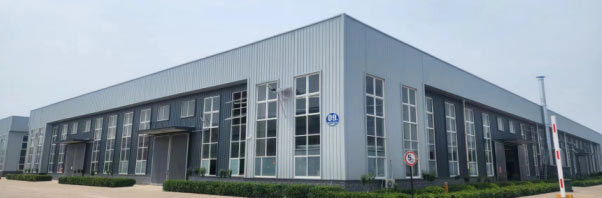
Specializing in the production of aircraft wheel chocks, rubber parts, silicone fluororubber products, waterstop, carrier rollers, conveyor belts, polyurethane accessories, nylon plastic parts, high-pressure oil pipes, metal hoses, various rubber strips, rubber wheels, wheel heat exchanger pads, etc.
Quick Link
Contact Info
ADDRESS:
Workshop 9, Wanxiang Equipment Industrial Park, Wuyi County, Hengshui City, Hebei Province, China
E-mail:


