Zhuo'er Rubber & Plastic Product Co., Ltd




The Science Behind Polyurethane Scrapers and Their Impact on Traffic Safety
Pubdate:
2026-04-23

The Science Behind Polyurethane Scrapers and Their Impact on Traffic Safety
Understanding Polyurethane: A Versatile Material for Safety
Polyurethane is a synthetic polymer that has gained significant traction in various industries due to its remarkable properties. One of its most notable applications is in the manufacture of scrapers—a vital component in traffic safety devices. Polyurethane scrapers are designed to remove debris, snow, and ice from roadways and signage, enhancing visibility and reducing hazards.
The Composition of Polyurethane: What Makes It Unique?
Polyurethane is composed of organic units connected by urethane links. Its unique structure allows it to be flexible yet durable, making it ideal for outdoor applications. The material is resistant to wear, impact, and environmental stressors, which ensures that polyurethane scrapers maintain their integrity under harsh conditions. Additionally, they can be formulated in various densities, allowing for customization based on specific traffic safety needs.
Key Benefits of Polyurethane Scrapers
1. **Durability**: Polyurethane scrapers demonstrate outstanding resistance to abrasion and impact, ensuring longer lifespans and reduced maintenance costs.
2. **Flexibility**: Unlike traditional materials, polyurethane can adapt to different surfaces, effectively conforming to the road's contour for optimal debris removal.
3. **Weather Resistance**: Polyurethane scrapers can withstand extreme temperatures and weather conditions, ensuring consistent performance throughout the year.
4. **Eco-Friendly Options**: Many manufacturers are producing bio-based polyurethanes, contributing to sustainable practices in the industry.
The Role of Polyurethane Scrapers in Traffic Safety
Maintaining clear roadways is paramount for ensuring traffic safety. Polyurethane scrapers play a significant role in this aspect by providing effective solutions for debris management, particularly in adverse weather conditions.
Enhancing Visibility on Roadways
Visibility is a critical factor in traffic safety. Polyurethane scrapers help maintain clear signage and road markings by removing accumulated snow, ice, and debris that can obstruct drivers' views. This is particularly critical in regions prone to heavy snowfall, where the risk of accidents increases significantly.
Reducing Slip Hazard Risks
Slippery road conditions are a leading cause of accidents. By effectively scraping away ice and snow, polyurethane scrapers minimize the possibility of vehicles losing traction. This reduction in slip hazards directly contributes to safer driving conditions, ultimately lowering accident rates.
Applications of Polyurethane Scrapers in Traffic Safety Equipment
Polyurethane scrapers are utilized in various traffic safety applications, from road maintenance vehicles to highway safety devices.
1. Road Maintenance Vehicles
Road maintenance vehicles equipped with polyurethane scrapers are essential for keeping highways and streets safe. These vehicles operate efficiently to clear snow and debris, ensuring that roads remain accessible and safe for all motorists.
2. Traffic Signage Maintenance
Traffic signs must be clearly visible to ensure drivers can react appropriately. Polyurethane scrapers help maintain the clarity of these signs by removing any obstruction caused by weather elements. This maintenance is vital for preventing accidents and ensuring compliance with traffic laws.
3. Emergency Response Vehicles
During emergencies, every second counts. Emergency response vehicles equipped with polyurethane scrapers can quickly clear obstacles from the roadway, allowing them to reach their destinations promptly. This capability is crucial for public safety and minimizing the impact of emergencies.
The Manufacturing Process of Polyurethane Scrapers
Understanding how polyurethane scrapers are produced offers insight into their quality and performance.
Raw Materials and Formulation
The production of polyurethane scrapers begins with the selection of raw materials, including isocyanates and polyols. Manufacturers carefully formulate these components to achieve specific characteristics, such as hardness, flexibility, and abrasion resistance.
Molding and Curing Process
Once formulated, the polyurethane mixture is poured into molds that shape the scrapers. The curing process involves applying heat, which allows the material to harden and set into its final form. This process ensures that the scrapers acquire their desired properties, including durability and flexibility.
Cost-Effectiveness of Polyurethane Scrapers
Investing in polyurethane scrapers may initially seem costly, but their long-term benefits far outweigh the upfront expenses.
Lower Maintenance and Replacement Costs
Due to their durability and resistance to wear, polyurethane scrapers require less frequent replacement compared to traditional materials. This longevity translates to significant savings for municipalities and organizations responsible for road maintenance.
Enhanced Performance Leading to Fewer Accidents
A clear and safe roadway reduces the likelihood of accidents, which can lead to substantial savings in terms of insurance claims, legal fees, and medical expenses. By investing in polyurethane scrapers, authorities can effectively enhance public safety and reduce overall costs associated with traffic incidents.
Innovations in Polyurethane Scraper Technology
As technology advances, so do the applications and formulations of polyurethane scrapers.
Smart Polyurethane Scrapers
Emerging technologies are paving the way for smart polyurethane scrapers equipped with sensors. These sensors can detect road conditions, allowing for automated scraping and maintenance. This innovation ensures optimal performance and proactive safety measures.
Recycling and Sustainability Initiatives
With growing environmental concerns, manufacturers are exploring ways to recycle polyurethane materials. Innovations in recycling processes contribute to creating a circular economy, where discarded polyurethane can be repurposed into new products, including scrapers.
FAQs About Polyurethane Scrapers and Traffic Safety
1. What are polyurethane scrapers used for?
Polyurethane scrapers are primarily used for clearing debris, snow, and ice from roadways and traffic signage, enhancing visibility and safety.
2. How do polyurethane scrapers compare to traditional materials?
Polyurethane scrapers offer superior durability, flexibility, and weather resistance compared to traditional materials, resulting in longer lifespans and reduced maintenance costs.
3. Are polyurethane scrapers environmentally friendly?
Many manufacturers are producing eco-friendly polyurethane options, contributing to sustainable practices in the industry.
4. How often do polyurethane scrapers need to be replaced?
Due to their durability, polyurethane scrapers typically last longer than traditional materials, leading to less frequent replacements.
5. Can polyurethane scrapers be customized for specific needs?
Yes, polyurethane scrapers can be formulated in various densities and shapes, allowing for customization based on specific traffic safety requirements.
Conclusion
The science behind polyurethane scrapers highlights their significant impact on traffic safety. By understanding the material properties, applications, and advancements in technology, we can appreciate the essential role these scrapers play in maintaining safe road conditions. As municipalities and organizations continue to prioritize public safety, investing in polyurethane scrapers proves to be a forward-thinking approach that not only enhances safety but also promotes sustainability in the industry. Through ongoing innovation and commitment to quality, polyurethane scrapers will remain a vital component of traffic safety equipment for years to come.
Recommended Reading
The Impact of Polyurethane Scrapers on Road Safety Innovations
The Impact of Polyurethane Scrapers on Road Safety Innovations Table of Contents Understanding Polyurethane Scrapers The Importance of Road Safety Innovations Benefits of Polyurethane Scrapers How Polyurethane Scrapers Work Applications of Polyurethane Scrapers in Traffic Safety The Future of Road Safety Innovations Case Studies: Success Stories Frequently Asked
Understanding Rubber Butterfly Valves: Applications and Benefits in Traffic Safety Equipment
Rubber butterfly valves play a critical role in various applications within the automotive and traffic safety equipment sector. Engineered to regulate fluid flow efficiently, these valves are particularly prized for their lightweight design and excellent sealing capabilities. The unique construction of rubber butterfly valves allows them to provide reliable performance in a range of conditions, ma
The Evolution of Rubber Wheel Stops in Traffic Safety
The Evolution of Rubber Wheel Stops in Traffic Safety Introduction: The Importance of Traffic Safety Devices Traffic safety is a critical aspect of urban planning and road management. Among the various tools employed to enhance safety on roadways, rubber wheel stops stand out as essential devices designed to prevent vehicle overrun and facilitate safe parking. Their evolution reflects a broader un
Understanding Silicone Gaskets: Essential Components for Automotive Engine Systems
Silicone gaskets are an integral part of automotive engine systems, designed to ensure proper sealing between various engine components. Their unique properties make them a popular choice in the automotive industry, particularly for applications that require durability and resilience under extreme conditions. One of the primary advantages of silicone gaskets is their exceptional temperature resist
Common Mistakes to Avoid When Using Wheel Chocks: A Comprehensive Guide
Common Mistakes to Avoid When Using Wheel Chocks: A Comprehensive Guide Understanding Wheel Chocks and Their Importance in Vehicle Safety Wheel chocks are crucial safety devices designed to prevent vehicles from rolling when parked on an incline or when working on them. Their primary function is to provide stability, ensuring that vehicles remain stationary. However, improper use can lead to dange
Understanding Aircraft Wheel Chocks: Essential Safety Devices for Aviation
Aircraft wheel chocks are designed to prevent aircraft from rolling when parked or during maintenance operations. These sturdy blocks are positioned against the wheels of an aircraft to secure it in place, ensuring safety for both the aircraft and personnel working around it. Understanding the functionality and importance of wheel chocks is crucial for anyone involved in aviation operations or saf
Company Profile
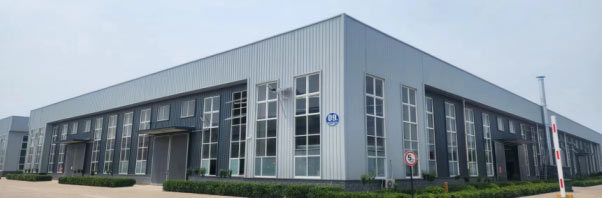
Specializing in the production of aircraft wheel chocks, rubber parts, silicone fluororubber products, waterstop, carrier rollers, conveyor belts, polyurethane accessories, nylon plastic parts, high-pressure oil pipes, metal hoses, various rubber strips, rubber wheels, wheel heat exchanger pads, etc.
Quick Link
Contact Info
ADDRESS:
Workshop 9, Wanxiang Equipment Industrial Park, Wuyi County, Hengshui City, Hebei Province, China
E-mail:


