Zhuo'er Rubber & Plastic Product Co., Ltd




Maximize Your Efficiency with Quality Polyurethane Scrapers: The Ultimate Guide
Pubdate:
2025-09-28

Maximize Your Efficiency with Quality Polyurethane Scrapers
Table of Contents
- 1. Introduction to Polyurethane Scrapers
- 2. Benefits of Using Polyurethane Scrapers
- 3. Applications of Polyurethane Scrapers in Various Industries
- 4. Types of Polyurethane Scrapers
- 5. How to Choose the Right Polyurethane Scraper for Your Needs
- 6. Maintenance Tips for Longevity
- 7. Case Studies: Success Stories with Polyurethane Scrapers
- 8. Frequently Asked Questions About Polyurethane Scrapers
- 9. Conclusion
1. Introduction to Polyurethane Scrapers
Polyurethane scrapers are essential tools designed to improve efficiency and safety in various applications. Unlike traditional scrapers made from metals or other materials, polyurethane offers a unique combination of flexibility, durability, and resistance to wear. This adaptable material allows for the creation of scrapers that can effectively handle a wide range of tasks with superior performance, making them invaluable in industries such as construction, manufacturing, and transportation.
2. Benefits of Using Polyurethane Scrapers
Polyurethane scrapers provide numerous advantages over their traditional counterparts. Here are some key benefits:
Durability and Longevity
Polyurethane scrapers are known for their impressive durability. They withstand heavy use and resist abrasion, which results in a longer lifespan compared to metal scrapers. Their robust construction means fewer replacements, saving you time and money.
Flexibility and Versatility
The flexibility of polyurethane allows scrapers to conform to various surfaces, ensuring a more thorough cleaning and scraping process. They can be used on different materials without causing damage, making them suitable for diverse applications.
Resistance to Chemicals and Environmental Factors
Polyurethane scrapers exhibit excellent resistance to chemicals, oils, and extreme temperatures. This resilience makes them ideal for use in harsh environments where traditional scrapers may degrade quickly.
Enhanced Safety Features
Using polyurethane scrapers can enhance workplace safety. Their softer edges minimize the risk of injury compared to metal scrapers, while their effective performance reduces the need for excessive force, lowering the chance of accidents.
3. Applications of Polyurethane Scrapers in Various Industries
Polyurethane scrapers find applications across numerous sectors. Here are some key industries where they play a critical role:
Construction Industry
In construction, polyurethane scrapers are employed for surface preparation and cleaning tasks. They effectively remove debris, adhesives, and other materials without damaging underlying surfaces.
Manufacturing Sector
Manufacturers utilize polyurethane scrapers to maintain machinery and production lines. They help keep surfaces clean, ensuring optimal performance and reducing the risk of equipment malfunctions.
Transportation and Logistics
In transportation, these scrapers are used to clear cargo areas and truck beds, ensuring safe and efficient loading and unloading. They can also be found in maintenance shops for cleaning and servicing vehicles.
Food Processing Industry
Polyurethane scrapers are essential in food processing facilities, where cleanliness is paramount. They help remove residues and contaminants from surfaces without risking cross-contamination.
4. Types of Polyurethane Scrapers
Choosing the correct type of polyurethane scraper can significantly impact your efficiency. Here are some common types:
Flat Scrapers
Flat scrapers are versatile tools ideal for general cleaning tasks. Their flat edges make them suitable for scraping surfaces evenly and efficiently.
Curved Scrapers
Curved scrapers are designed to handle complex surfaces and contours. They excel in applications where traditional flat scrapers may struggle, providing enhanced precision.
Specialized Scrapers
Some polyurethane scrapers are designed for specific applications, such as removing materials from conveyor belts or cleaning delicate surfaces in electronics manufacturing. These specialized tools cater to unique needs, ensuring optimal performance.
5. How to Choose the Right Polyurethane Scraper for Your Needs
Selecting the right polyurethane scraper involves considering several factors:
Evaluate Your Application
Identify the specific tasks you need the scraper for. Understanding the application will help you choose the right shape and size.
Consider Material Compatibility
Ensure the polyurethane scraper is suitable for the surfaces you will be working on. Some scrapers perform better on certain materials, so check compatibility to avoid damage.
Assess Durability Requirements
If your tasks involve heavy-duty use, opt for a more robust scraper that can withstand wear and tear. Conversely, lighter scrapers may suffice for less demanding applications.
Check Ergonomics and Design
Select a scraper with a comfortable grip and ergonomic design to reduce fatigue during prolonged use. This consideration is especially crucial in industries requiring repetitive tasks.
6. Maintenance Tips for Longevity
To maximize the lifespan of your polyurethane scrapers, follow these maintenance tips:
Regular Cleaning
Clean your scrapers after each use to remove debris and prevent buildup. A simple wash with soap and water is often sufficient.
Avoid Harsh Chemicals
While polyurethane is resistant to many chemicals, it’s essential to avoid harsh solvents that may degrade the material over time.
Store Properly
Store your scrapers in a cool, dry place away from direct sunlight. This practice helps preserve their structural integrity and prevents warping or degradation.
Inspect for Damage
Regularly inspect your scrapers for signs of wear or damage. Replace any that show significant signs of degradation to maintain efficiency and safety.
7. Case Studies: Success Stories with Polyurethane Scrapers
Here are a couple of examples demonstrating the effectiveness of polyurethane scrapers in real-world applications:
Case Study 1: Construction Company Efficiency Boost
A construction company faced challenges with debris removal on their job sites. By switching to polyurethane scrapers, they improved cleanup times by 40%, allowing them to complete projects ahead of schedule. The flexibility of the scrapers enabled workers to reach tight spots effectively, further enhancing efficiency.
Case Study 2: Food Processing Facility Hygiene Improvement
A food processing facility struggled with hygiene compliance due to inadequate cleaning tools. Implementing polyurethane scrapers led to a marked improvement in cleanliness standards. The ease of cleaning surfaces without scratching or damaging equipment significantly enhanced their overall operational efficiency.
8. Frequently Asked Questions About Polyurethane Scrapers
What are polyurethane scrapers made of?
Polyurethane scrapers are made from a synthetic polymer known for its flexibility, durability, and resistance to abrasions and chemicals.
Can polyurethane scrapers be used on all surfaces?
While polyurethane scrapers are versatile, it’s important to check compatibility with specific materials to avoid damage.
How do I clean my polyurethane scraper?
Clean your scraper with mild soap and water after each use. Avoid harsh chemicals that could damage the material.
What are the advantages of using polyurethane over metal scrapers?
Polyurethane scrapers offer greater flexibility, reduced risk of injury, and longer lifespan compared to metal scrapers.
Where can I purchase quality polyurethane scrapers?
Quality polyurethane scrapers can be purchased from industrial supply stores, online retailers, and specialized equipment suppliers.
9. Conclusion
Quality polyurethane scrapers are essential tools that can greatly enhance efficiency across various industries. Their durability, flexibility, and safety features make them superior to traditional scrapers in many applications. By understanding how to choose the right scraper and maintain it properly, businesses can maximize productivity and ensure a safer working environment. Whether in construction, manufacturing, or food processing, investing in quality polyurethane scrapers will undoubtedly lead to significant operational improvements.
Recommended Reading
The Evolution of Rubber Wheel Stops in Traffic Safety
The Evolution of Rubber Wheel Stops in Traffic Safety Introduction: The Importance of Traffic Safety Devices Traffic safety is a critical aspect of urban planning and road management. Among the various tools employed to enhance safety on roadways, rubber wheel stops stand out as essential devices designed to prevent vehicle overrun and facilitate safe parking. Their evolution reflects a broader un
Understanding Silicone Gaskets: Essential Components for Automotive Engine Systems
Silicone gaskets are an integral part of automotive engine systems, designed to ensure proper sealing between various engine components. Their unique properties make them a popular choice in the automotive industry, particularly for applications that require durability and resilience under extreme conditions. One of the primary advantages of silicone gaskets is their exceptional temperature resist
Common Mistakes to Avoid When Using Wheel Chocks: A Comprehensive Guide
Common Mistakes to Avoid When Using Wheel Chocks: A Comprehensive Guide Understanding Wheel Chocks and Their Importance in Vehicle Safety Wheel chocks are crucial safety devices designed to prevent vehicles from rolling when parked on an incline or when working on them. Their primary function is to provide stability, ensuring that vehicles remain stationary. However, improper use can lead to dange
Understanding Aircraft Wheel Chocks: Essential Safety Devices for Aviation
Aircraft wheel chocks are designed to prevent aircraft from rolling when parked or during maintenance operations. These sturdy blocks are positioned against the wheels of an aircraft to secure it in place, ensuring safety for both the aircraft and personnel working around it. Understanding the functionality and importance of wheel chocks is crucial for anyone involved in aviation operations or saf
Polyurethane Scrapers vs. Traditional Materials: Which is Better for Safety?
Polyurethane Scrapers vs. Traditional Materials: Which is Better for Safety? Table of Contents 1. Introduction to Safety Equipment Materials 2. Understanding Polyurethane Scrapers 3. Traditional Materials in Safety Equipment 4. Advantages of Polyurethane Scrapers for Safety 5. Disadvantages of Polyurethane Scrapers 6. Benefits of Traditional Materials 7. Drawbacks of T
Understanding Rubber Butterfly Valves: Essential Components for Traffic Safety Devices
Rubber butterfly valves are vital components in various applications, particularly within the automotive and transportation safety equipment sectors. These valves operate using a circular disc that rotates within the flow of a medium—typically liquids or gases—allowing for easy regulation of the flow. The “rubber” aspect pertains to the sealing materials used in the valve's construction, offering
Company Profile
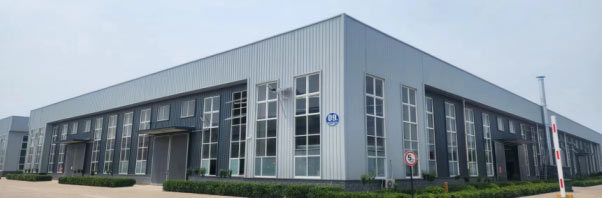
Specializing in the production of aircraft wheel chocks, rubber parts, silicone fluororubber products, waterstop, carrier rollers, conveyor belts, polyurethane accessories, nylon plastic parts, high-pressure oil pipes, metal hoses, various rubber strips, rubber wheels, wheel heat exchanger pads, etc.
Quick Link
Contact Info
ADDRESS:
Workshop 9, Wanxiang Equipment Industrial Park, Wuyi County, Hengshui City, Hebei Province, China
E-mail:


