Zhuo'er Rubber & Plastic Product Co., Ltd




Creating Safe Parking Spaces with Rubber Wheel Stops: The Ultimate Guide
Pubdate:
2026-08-22

Creating Safe Parking Spaces with Rubber Wheel Stops
Understanding the Importance of Parking Safety
Parking safety is a critical aspect of urban planning and property management. Safe parking spaces not only enhance the overall experience for drivers but also reduce the risk of accidents and property damage. As urban areas become more congested, the need for effective parking solutions grows. This is where **rubber wheel stops** come into play, serving as a simple yet effective tool for improving parking safety.
What are Rubber Wheel Stops?
Rubber wheel stops, also known as parking curbs or bumper stops, are sturdy barriers designed to prevent vehicles from encroaching into restricted areas. Made from durable rubber, these stops are designed to withstand the wear and tear of daily use while providing visual and physical guidance for drivers.
Why Choose Rubber Wheel Stops Over Traditional Materials?
When it comes to parking safety, the choice of materials for wheel stops is crucial. Rubber wheel stops offer several advantages over traditional concrete or metal options:
1. **Durability**: Rubber is resistant to weathering and UV rays, ensuring a long lifespan.
2. **Flexibility**: Rubber can absorb shock, reducing damage to vehicles and the wheel stops themselves during impact.
3. **Visibility**: Most rubber wheel stops come with bright colors and reflective strips, enhancing visibility, especially at night.
4. **Easy Installation**: Rubber stops are lightweight, making them easy to install and reposition if necessary.
The Benefits of Using Rubber Wheel Stops
Incorporating rubber wheel stops into your parking design offers multiple benefits that enhance safety and convenience.
1. Accident Prevention
Rubber wheel stops serve as a physical barrier that can help prevent vehicles from rolling into pedestrian areas, landscaping, or buildings. This is particularly important in busy parking lots where pedestrians and vehicles frequently interact.
2. Improved Traffic Flow
By clearly marking the boundaries of parking spaces, rubber wheel stops facilitate better organization of parked vehicles, thus improving traffic flow. Drivers can easily identify where to park, reducing congestion and confusion.
3. Enhanced Accessibility
Rubber wheel stops can be strategically placed to create designated accessible parking spaces. By ensuring these spaces are clearly marked, property owners can comply with ADA regulations and provide a better experience for all drivers.
4. Low Maintenance Requirements
Rubber wheel stops are easy to maintain compared to other materials. They do not require painting or sealing, and their durability means they can withstand harsh weather conditions without significant wear.
How to Install Rubber Wheel Stops
Installing rubber wheel stops is a straightforward process that can greatly enhance the safety of any parking area.
Step-by-Step Installation Guide
Step 1: Prepare the Site
Ensure the parking area is clean and free of debris. Measure the desired locations for the rubber wheel stops to ensure they align with parking lines and traffic flow.
Step 2: Position the Wheel Stops
Place the rubber wheel stops in their designated spots. They should be aligned with the front of the parking spaces to provide clear guidance for drivers.
Step 3: Secure the Stops
Depending on local regulations and the specific design of the parking lot, rubber wheel stops can be anchored to the ground using bolts or adhesive. Ensure they are secure to prevent movement or shifting.
Step 4: Mark Surrounding Areas
Consider adding additional markings on the pavement to enhance visibility. Bright paint or reflective tape can help drivers identify the boundaries of parking spaces clearly.
Maintenance Tips for Rubber Wheel Stops
Despite their durability, it’s essential to keep rubber wheel stops in good condition. Regular inspections and maintenance can prolong their lifespan and effectiveness.
Regular Inspections
Conduct routine checks to ensure that the wheel stops are intact and securely positioned. Look for signs of damage or wear, especially after severe weather events.
Cleaning
Regularly clean rubber wheel stops to remove dirt, debris, and any spills that could obscure visibility. A simple wash with soap and water is usually sufficient.
Replacement of Damaged Units
If any wheel stops are damaged beyond repair, replace them promptly to maintain safety standards.
Designing a Parking Area with Safety in Mind
When designing a parking area, consider the following best practices to enhance safety:
1. Adequate Lighting
Ensure that parking spaces are well-lit, especially during nighttime. Good lighting can significantly improve visibility and deter criminal activity.
2. Clear Signage
Utilize clear and concise signage to direct traffic and indicate parking rules. This can help in reducing confusion and improving overall safety.
3. Proper Layout
Design parking spaces that allow for easy maneuvering. Spaces should be wide enough to accommodate vehicles of various sizes without compromising safety.
4. Incorporate Landscaping Wisely
Integrating landscaping can enhance aesthetics but ensure it does not obstruct visibility. Proper planning can help in balancing beauty and safety.
Frequently Asked Questions (FAQs)
1. Are rubber wheel stops effective in preventing accidents?
Yes, rubber wheel stops are designed to act as barriers that prevent vehicles from rolling into unsafe areas, thus reducing the risk of accidents.
2. How long do rubber wheel stops last?
With proper maintenance, rubber wheel stops can last for many years, typically 5 to 10 years depending on usage and environmental conditions.
3. Can rubber wheel stops be used in outdoor parking lots?
Absolutely. Rubber wheel stops are designed for both indoor and outdoor use, making them a versatile solution for various parking environments.
4. How do I clean rubber wheel stops?
Cleaning can be done with soap and water. A simple wash will remove dirt and debris, maintaining visibility and aesthetics.
5. Are rubber wheel stops environmentally friendly?
Rubber wheel stops made from recycled materials can be considered environmentally friendly, as they reduce waste while providing a practical solution.
Conclusion
Creating safe parking spaces is a vital consideration for property owners and urban planners alike. Rubber wheel stops provide an effective, durable, and low-maintenance solution to enhance parking safety. By implementing best practices in parking design, such as proper installation and regular maintenance of rubber wheel stops, we can significantly reduce the risk of accidents, improve traffic flow, and provide a safer environment for both drivers and pedestrians. Investing in these simple yet powerful tools can result in long-term benefits, making parking spaces safer, more accessible, and more efficient for everyone.
Recommended Reading
Understanding Aircraft Wheel Chocks: Essential Safety Devices for Aviation
Aircraft wheel chocks are designed to prevent aircraft from rolling when parked or during maintenance operations. These sturdy blocks are positioned against the wheels of an aircraft to secure it in place, ensuring safety for both the aircraft and personnel working around it. Understanding the functionality and importance of wheel chocks is crucial for anyone involved in aviation operations or saf
Polyurethane Scrapers vs. Traditional Materials: Which is Better for Safety?
Polyurethane Scrapers vs. Traditional Materials: Which is Better for Safety? Table of Contents 1. Introduction to Safety Equipment Materials 2. Understanding Polyurethane Scrapers 3. Traditional Materials in Safety Equipment 4. Advantages of Polyurethane Scrapers for Safety 5. Disadvantages of Polyurethane Scrapers 6. Benefits of Traditional Materials 7. Drawbacks of T
Understanding Rubber Butterfly Valves: Essential Components for Traffic Safety Devices
Rubber butterfly valves are vital components in various applications, particularly within the automotive and transportation safety equipment sectors. These valves operate using a circular disc that rotates within the flow of a medium—typically liquids or gases—allowing for easy regulation of the flow. The “rubber” aspect pertains to the sealing materials used in the valve's construction, offering
How Rubber Wheel Stops Help Manage Traffic Flow Efficiently
How Rubber Wheel Stops Help Manage Traffic Flow Efficiently Table of Contents 1. Introduction to Rubber Wheel Stops 2. Understanding Traffic Flow Management 3. The Role of Rubber Wheel Stops in Traffic Safety 4. Key Benefits of Using Rubber Wheel Stops 4.1 Enhanced Safety in Parking Areas 4.2 Improved Space Utilization 4.3 Durability and Cost-Effectiveness 5. How to Install Rubber Wheel Stops Effe
Understanding Silicone Gaskets: Essential Components for Automotive Engine Systems
Silicone gaskets are vital components in automotive engine systems, especially when it comes to sealing various parts within the engine. Their unique properties make them ideal for high-temperature and high-pressure environments, which are common in automotive applications. Understanding their benefits, applications, and maintenance can help automotive professionals and enthusiasts alike ensure op
Wheel Chocks in Extreme Conditions: Essential Considerations for Safety and Performance
Wheel Chocks in Extreme Conditions: Essential Considerations for Safety and Performance Table of Contents Understanding Wheel Chocks: Basics and Functions The Importance of Wheel Chocks in Extreme Conditions Material Selection: Choosing the Right Wheel Chock Safety Standards and Certifications for Wheel Chocks Proper Usage Techniques for Wheel Chocks Maintenance and Inspec
Company Profile
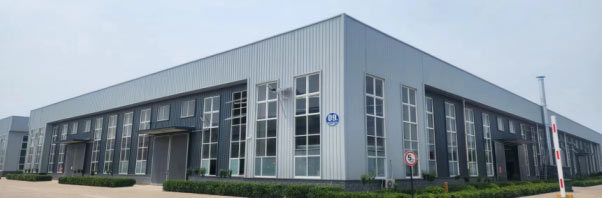
Specializing in the production of aircraft wheel chocks, rubber parts, silicone fluororubber products, waterstop, carrier rollers, conveyor belts, polyurethane accessories, nylon plastic parts, high-pressure oil pipes, metal hoses, various rubber strips, rubber wheels, wheel heat exchanger pads, etc.
Quick Link
Contact Info
ADDRESS:
Workshop 9, Wanxiang Equipment Industrial Park, Wuyi County, Hengshui City, Hebei Province, China
E-mail:


