Zhuo'er Rubber & Plastic Product Co., Ltd




How Polyurethane Scrapers Enhance Safety Standards in Transportation
Pubdate:
2026-04-05

How Polyurethane Scrapers Enhance Safety Standards in Transportation
Table of Contents
1. Introduction to Polyurethane Scrapers and Their Importance
2. Understanding the Composition of Polyurethane
3. Benefits of Using Polyurethane Scrapers in Transportation
3.1 Enhanced Durability and Resilience
3.2 Improved Surface Cleanliness
3.3 Reduced Wear and Tear
4. Applications of Polyurethane Scrapers in the Transportation Sector
4.1 Road Maintenance and Safety
4.2 Heavy-Duty Equipment Use
5. The Role of Polyurethane Scrapers in Traffic Management
6. Case Studies: Successful Implementation of Polyurethane Scrapers
7. Future Trends in Transportation Safety Standards
8. Frequently Asked Questions about Polyurethane Scrapers
9. Conclusion
1. Introduction to Polyurethane Scrapers and Their Importance
Polyurethane scrapers have emerged as a crucial component in enhancing safety standards within the transportation sector. These innovative tools are designed to provide superior performance and durability, making them an invaluable asset for ensuring safety on roads and highways. By understanding how polyurethane scrapers function and their benefits, we can appreciate their significant role in modern transportation safety.
2. Understanding the Composition of Polyurethane
Polyurethane is a versatile polymer that consists of organic units joined by carbamate links. The material can be formulated to exhibit a wide range of properties, making it suitable for various applications. In the context of transportation, polyurethane scrapers are engineered to withstand harsh environments, extreme temperatures, and mechanical stress. This adaptability is essential for maintaining safety standards across different transportation scenarios.
3. Benefits of Using Polyurethane Scrapers in Transportation
3.1 Enhanced Durability and Resilience
Polyurethane scrapers are renowned for their exceptional durability. Unlike traditional materials, polyurethane is resistant to abrasion, chemicals, and UV exposure. This resilience leads to a longer lifespan for scrapers, reducing the need for frequent replacements and minimizing maintenance costs for transportation authorities.
3.2 Improved Surface Cleanliness
One of the significant advantages of polyurethane scrapers is their ability to maintain clean surfaces. By effectively removing debris, snow, and ice, these scrapers help prevent accidents caused by obscured road conditions. A clean surface not only enhances vehicle traction but also improves visibility for drivers.
3.3 Reduced Wear and Tear
Using polyurethane scrapers minimizes the wear and tear on road surfaces and vehicles. Their flexibility allows them to conform to various surface textures, reducing the impact force and prolonging the life of both the scraper and the surface it operates on. This quality is particularly important for maintaining road safety over extended periods.
4. Applications of Polyurethane Scrapers in the Transportation Sector
4.1 Road Maintenance and Safety
In road maintenance, polyurethane scrapers are utilized to keep roadways clear and safe for travel. They are particularly effective in snow and ice removal during winter months, ensuring that roads remain accessible and safe for emergency services and everyday commuters alike.
4.2 Heavy-Duty Equipment Use
Polyurethane scrapers are also used in heavy-duty equipment such as truck-mounted sweepers and snowplows. Their robustness allows them to withstand the rigors of heavy machinery, ensuring that transportation infrastructure remains intact while operations continue efficiently.
5. The Role of Polyurethane Scrapers in Traffic Management
Effective traffic management is vital for maintaining safety on our roads. Polyurethane scrapers play an important role in managing road surfaces, helping to ensure that traffic flows smoothly. By keeping roads clean and free of obstacles, these scrapers contribute to reducing congestion and the likelihood of accidents.
6. Case Studies: Successful Implementation of Polyurethane Scrapers
Many transportation agencies have adopted polyurethane scrapers with notable success. For instance, a state transportation department reported a significant reduction in road maintenance costs after switching to polyurethane scrapers for snow and ice removal. Similarly, municipalities have observed decreased accident rates during winter months due to improved road conditions.
7. Future Trends in Transportation Safety Standards
As technology and materials science advance, the future of transportation safety standards will increasingly rely on innovative solutions like polyurethane scrapers. We can anticipate developments that will enhance their effectiveness, such as smart scrapers equipped with sensors to monitor road conditions in real-time, further elevating safety standards.
8. Frequently Asked Questions about Polyurethane Scrapers
Q1: What makes polyurethane scrapers better than traditional scrapers?
A1: Polyurethane scrapers are more durable, flexible, and resistant to wear and tear compared to traditional materials. This leads to longer lifespans and lower maintenance costs.
Q2: How do polyurethane scrapers enhance road safety?
A2: By effectively removing debris, ice, and snow, polyurethane scrapers maintain clean road surfaces, improving traction and visibility for drivers.
Q3: Are polyurethane scrapers cost-effective?
A3: Yes, while the initial investment may be higher than traditional scrapers, their durability and reduced maintenance requirements make them more cost-effective in the long run.
Q4: Can polyurethane scrapers be used in extreme weather conditions?
A4: Absolutely. Polyurethane is designed to perform well in extreme temperatures and harsh environmental conditions, making it ideal for use in diverse climates.
Q5: What industries can benefit from polyurethane scrapers?
A5: Industries including transportation, construction, and logistics can benefit significantly from the use of polyurethane scrapers in their operations.
9. Conclusion
Polyurethane scrapers are revolutionizing safety standards in transportation by providing reliable, durable, and effective solutions for road maintenance and traffic management. As we continue to embrace these innovative tools, we can expect a safer and more efficient transportation infrastructure that meets the growing demands of modern society. Investing in polyurethane scrapers is not just about improving current practices; it’s about paving the way for a safer future on our roads.
Recommended Reading
Polyurethane Scrapers vs. Traditional Materials: Which is Better for Safety?
Polyurethane Scrapers vs. Traditional Materials: Which is Better for Safety? Table of Contents 1. Introduction to Safety Equipment Materials 2. Understanding Polyurethane Scrapers 3. Traditional Materials in Safety Equipment 4. Advantages of Polyurethane Scrapers for Safety 5. Disadvantages of Polyurethane Scrapers 6. Benefits of Traditional Materials 7. Drawbacks of T
Understanding Rubber Butterfly Valves: Essential Components for Traffic Safety Devices
Rubber butterfly valves are vital components in various applications, particularly within the automotive and transportation safety equipment sectors. These valves operate using a circular disc that rotates within the flow of a medium—typically liquids or gases—allowing for easy regulation of the flow. The “rubber” aspect pertains to the sealing materials used in the valve's construction, offering
How Rubber Wheel Stops Help Manage Traffic Flow Efficiently
How Rubber Wheel Stops Help Manage Traffic Flow Efficiently Table of Contents 1. Introduction to Rubber Wheel Stops 2. Understanding Traffic Flow Management 3. The Role of Rubber Wheel Stops in Traffic Safety 4. Key Benefits of Using Rubber Wheel Stops 4.1 Enhanced Safety in Parking Areas 4.2 Improved Space Utilization 4.3 Durability and Cost-Effectiveness 5. How to Install Rubber Wheel Stops Effe
Understanding Silicone Gaskets: Essential Components for Automotive Engine Systems
Silicone gaskets are vital components in automotive engine systems, especially when it comes to sealing various parts within the engine. Their unique properties make them ideal for high-temperature and high-pressure environments, which are common in automotive applications. Understanding their benefits, applications, and maintenance can help automotive professionals and enthusiasts alike ensure op
Wheel Chocks in Extreme Conditions: Essential Considerations for Safety and Performance
Wheel Chocks in Extreme Conditions: Essential Considerations for Safety and Performance Table of Contents Understanding Wheel Chocks: Basics and Functions The Importance of Wheel Chocks in Extreme Conditions Material Selection: Choosing the Right Wheel Chock Safety Standards and Certifications for Wheel Chocks Proper Usage Techniques for Wheel Chocks Maintenance and Inspec
The Essential Guide to Aircraft Wheel Chocks: Enhancing Safety in Aviation
Aircraft wheel chocks are essential safety devices used to secure aircraft in place when they are parked or undergoing loading and unloading. Their primary function is to prevent accidental movement, ensuring both personnel and equipment are safe from potential hazards. Understanding the significance of wheel chocks is vital for professionals in the aviation and transportation safety sectors. Ther
Company Profile
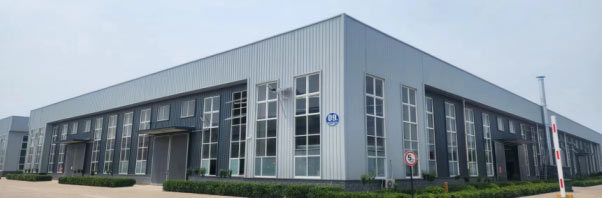
Specializing in the production of aircraft wheel chocks, rubber parts, silicone fluororubber products, waterstop, carrier rollers, conveyor belts, polyurethane accessories, nylon plastic parts, high-pressure oil pipes, metal hoses, various rubber strips, rubber wheels, wheel heat exchanger pads, etc.
Quick Link
Contact Info
ADDRESS:
Workshop 9, Wanxiang Equipment Industrial Park, Wuyi County, Hengshui City, Hebei Province, China
E-mail:


