Zhuo'er Rubber & Plastic Product Co., Ltd




Understanding the Functionality of Rubber Wheel Stops: Enhancing Traffic Safety and Efficiency
Pubdate:
2026-02-04

Understanding the Functionality of Rubber Wheel Stops: Enhancing Traffic Safety and Efficiency
Rubber wheel stops are vital components in parking lots and other vehicular areas. They serve as guides for vehicles, ensuring they stay within designated boundaries while providing added safety for both drivers and pedestrians. This article comprehensively explores the functionality, benefits, installation, and maintenance of rubber wheel stops, equipping you with the knowledge to enhance traffic safety and efficiency.
Table of Contents
1. What Are Rubber Wheel Stops?
2. The Importance of Wheel Stops in Traffic Safety
3. Key Benefits of Using Rubber Wheel Stops
4. Design and Materials Used in Rubber Wheel Stops
5. Installation Process of Rubber Wheel Stops
6. Maintenance Tips for Rubber Wheel Stops
7. Common Issues and Solutions
8. Conclusion
9. FAQs
What Are Rubber Wheel Stops?
Rubber wheel stops, often referred to as parking stops or curb stops, are durable barriers designed to prevent vehicles from encroaching into certain areas. Typically made from high-quality rubber, these stops are designed to withstand heavy use and harsh weather conditions. They are commonly used in parking lots, garages, and other vehicular areas to enhance safety and organization.
The Importance of Wheel Stops in Traffic Safety
The significance of rubber wheel stops extends beyond their physical presence; they play a crucial role in traffic management and safety. Here are some reasons why they are indispensable:
Reducing Accidents
Rubber wheel stops act as a physical barrier, preventing vehicles from moving too far forward in parking spaces. This significantly reduces the risk of accidents, especially in areas with pedestrian traffic. By ensuring vehicles do not roll into walkways or other hazardous areas, wheel stops contribute to a safer environment for everyone.
Organizing Parking Spaces
Effective parking management is essential in busy areas. Rubber wheel stops help delineate parking spaces, making it easier for drivers to park correctly. This organization not only maximizes space but also reduces the likelihood of vehicle collisions.
Guiding Vehicle Movement
Rubber wheel stops are particularly useful in guiding vehicle movement within confined spaces. They provide a clear visual cue for drivers, helping them navigate tight corners or parking lots with ease.
Key Benefits of Using Rubber Wheel Stops
Implementing rubber wheel stops in your parking area brings numerous advantages. Let’s explore some of the key benefits:
Durability and Longevity
Made from high-quality rubber, these stops can withstand various weather conditions and heavy loads. Unlike concrete or plastic alternatives, rubber wheel stops are less prone to cracking and damage, ensuring they remain functional for a longer period.
Environmentally Friendly
Rubber wheel stops are often made from recycled materials, making them an eco-friendly choice. By choosing these stops, you contribute to sustainability efforts while ensuring safety in your parking areas.
Cost-Effective Solution
While the initial investment may be higher than traditional solutions, the longevity and durability of rubber wheel stops make them a cost-effective option in the long run. Their low maintenance requirements further enhance their value.
Easy Installation
Rubber wheel stops are relatively easy to install compared to other types of stops. They can be placed directly on the ground without the need for extensive groundwork or heavy machinery. This ease of installation saves time and labor costs.
Design and Materials Used in Rubber Wheel Stops
Understanding the design and materials of rubber wheel stops is crucial for making an informed purchase. Rubber wheel stops come in various shapes and sizes, catering to different needs and preferences.
Common Designs
1. **Standard Wheel Stops**: Typically 6 to 8 feet long, these stops are suitable for standard parking spaces.
2. **Curved Wheel Stops**: Ideal for areas with curves, these stops help maintain a smooth flow of traffic.
3. **Heavy-Duty Wheel Stops**: Designed for commercial use, these stops can handle heavier vehicles like trucks and buses.
Materials
The most common material used for rubber wheel stops is recycled rubber. This material not only provides excellent durability but also offers high visibility, often featuring reflective stripes for enhanced safety.
Installation Process of Rubber Wheel Stops
Proper installation of rubber wheel stops is essential for their effectiveness. Here’s a step-by-step guide to ensure correct placement:
Step 1: Choose the Right Location
Identify the areas where you need wheel stops, ensuring they are strategically placed to prevent vehicles from encroaching into pedestrian pathways or other restricted zones.
Step 2: Prepare the Surface
Ensure the ground is clean and level. Remove any debris or obstacles that might interfere with the installation.
Step 3: Position the Wheel Stop
Place the rubber wheel stop in the desired location. Ensure it is aligned correctly with the parking space boundaries.
Step 4: Secure the Wheel Stop
While rubber wheel stops can be placed on the ground, securing them with bolts or stakes is advisable for added stability, especially in high-traffic areas.
Step 5: Check Visibility
If your rubber wheel stops have reflective strips, ensure they are facing the direction of oncoming traffic for maximum visibility.
Maintenance Tips for Rubber Wheel Stops
Maintaining rubber wheel stops is straightforward, requiring minimal effort to ensure they remain effective and visually appealing.
Regular Inspections
Conduct regular inspections to check for signs of wear and tear. Look for cracks or fading that may indicate the need for replacement.
Cleaning
Periodically clean the wheel stops with mild soap and water to remove dirt and debris. Avoid using harsh chemicals that could damage the rubber.
Replace as Needed
If any wheel stop shows significant damage or degradation, replace it promptly to maintain safety and effectiveness in your parking area.
Common Issues and Solutions
Despite their durability, rubber wheel stops can face some common issues. Understanding these issues can help in quick resolution.
Issue 1: Movement of Wheel Stops
Sometimes, rubber wheel stops may shift position, especially in high-traffic areas. To remedy this, ensure they are properly secured to the ground.
Issue 2: Fading Color
Over time, the color of rubber wheel stops may fade due to sun exposure. Applying a UV protectant can help maintain their color and visibility.
Issue 3: Cracking
Cracking may occur if the rubber is of poor quality or subjected to extreme weather. Regular inspections can help identify cracks early, and replacement is the best solution.
Conclusion
Rubber wheel stops play a critical role in enhancing traffic safety and organization in parking areas. Their durability, eco-friendliness, and cost-effectiveness make them a superior choice for traffic management. By understanding their functionality, benefits, and maintenance, you can ensure a safer environment for drivers and pedestrians alike.
FAQs
1. What are rubber wheel stops made from?
Rubber wheel stops are typically made from recycled rubber, providing durability and eco-friendliness.
2. How long do rubber wheel stops last?
With proper maintenance, rubber wheel stops can last several years, often outlasting concrete or plastic alternatives.
3. Can rubber wheel stops be used outdoors?
Yes, rubber wheel stops are designed for outdoor use and can withstand various weather conditions.
4. How are rubber wheel stops installed?
Rubber wheel stops can be easily installed by positioning them in the desired location and securing them to the ground if needed.
5. Are rubber wheel stops effective in preventing vehicle damage?
Yes, they effectively prevent vehicles from encroaching into restricted areas, thereby reducing the risk of accidents and damage.
Recommended Reading
Understanding Aircraft Wheel Chocks: Essential Safety Devices for Aviation
Aircraft wheel chocks are designed to prevent aircraft from rolling when parked or during maintenance operations. These sturdy blocks are positioned against the wheels of an aircraft to secure it in place, ensuring safety for both the aircraft and personnel working around it. Understanding the functionality and importance of wheel chocks is crucial for anyone involved in aviation operations or saf
Polyurethane Scrapers vs. Traditional Materials: Which is Better for Safety?
Polyurethane Scrapers vs. Traditional Materials: Which is Better for Safety? Table of Contents 1. Introduction to Safety Equipment Materials 2. Understanding Polyurethane Scrapers 3. Traditional Materials in Safety Equipment 4. Advantages of Polyurethane Scrapers for Safety 5. Disadvantages of Polyurethane Scrapers 6. Benefits of Traditional Materials 7. Drawbacks of T
Understanding Rubber Butterfly Valves: Essential Components for Traffic Safety Devices
Rubber butterfly valves are vital components in various applications, particularly within the automotive and transportation safety equipment sectors. These valves operate using a circular disc that rotates within the flow of a medium—typically liquids or gases—allowing for easy regulation of the flow. The “rubber” aspect pertains to the sealing materials used in the valve's construction, offering
How Rubber Wheel Stops Help Manage Traffic Flow Efficiently
How Rubber Wheel Stops Help Manage Traffic Flow Efficiently Table of Contents 1. Introduction to Rubber Wheel Stops 2. Understanding Traffic Flow Management 3. The Role of Rubber Wheel Stops in Traffic Safety 4. Key Benefits of Using Rubber Wheel Stops 4.1 Enhanced Safety in Parking Areas 4.2 Improved Space Utilization 4.3 Durability and Cost-Effectiveness 5. How to Install Rubber Wheel Stops Effe
Understanding Silicone Gaskets: Essential Components for Automotive Engine Systems
Silicone gaskets are vital components in automotive engine systems, especially when it comes to sealing various parts within the engine. Their unique properties make them ideal for high-temperature and high-pressure environments, which are common in automotive applications. Understanding their benefits, applications, and maintenance can help automotive professionals and enthusiasts alike ensure op
Wheel Chocks in Extreme Conditions: Essential Considerations for Safety and Performance
Wheel Chocks in Extreme Conditions: Essential Considerations for Safety and Performance Table of Contents Understanding Wheel Chocks: Basics and Functions The Importance of Wheel Chocks in Extreme Conditions Material Selection: Choosing the Right Wheel Chock Safety Standards and Certifications for Wheel Chocks Proper Usage Techniques for Wheel Chocks Maintenance and Inspec
Company Profile
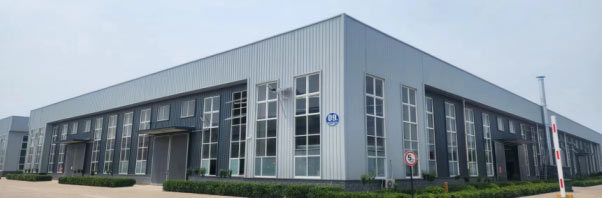
Specializing in the production of aircraft wheel chocks, rubber parts, silicone fluororubber products, waterstop, carrier rollers, conveyor belts, polyurethane accessories, nylon plastic parts, high-pressure oil pipes, metal hoses, various rubber strips, rubber wheels, wheel heat exchanger pads, etc.
Quick Link
Contact Info
ADDRESS:
Workshop 9, Wanxiang Equipment Industrial Park, Wuyi County, Hengshui City, Hebei Province, China
E-mail:


