Zhuo'er Rubber & Plastic Product Co., Ltd




The Essential Role of Polyurethane Scrapers in Transportation Safety
Pubdate:
2026-01-23

The Essential Role of Polyurethane Scrapers in Transportation Safety
Transportation safety is a vital concern for industries worldwide. Among the various components that contribute to a safe and efficient transport system, **polyurethane scrapers** stand out. These versatile tools not only enhance the durability of transport infrastructure but also significantly improve safety standards. In this article, we will explore the essential role of polyurethane scrapers, their applications, benefits, and the innovative features that make them indispensable in the realm of transportation safety.
Table of Contents
- Understanding Polyurethane Scrapers
- Key Applications of Polyurethane Scrapers in Transportation
- Advantages of Using Polyurethane Scrapers
- Design Features and Innovations in Polyurethane Scrapers
- Impact on Transportation Safety Standards
- Case Studies and Real-World Examples
- Frequently Asked Questions
- Conclusion
Understanding Polyurethane Scrapers
Polyurethane scrapers are specialized tools made from a flexible and durable polymer that is resistant to abrasion and chemicals. These scrapers are designed to remove contaminants, debris, and other materials from surfaces, ensuring optimal performance in various transportation systems. Unlike traditional scrapers, polyurethane scrapers can withstand extreme temperatures and harsh environmental conditions, making them suitable for both indoor and outdoor use.
The flexibility and resilience of polyurethane allow these scrapers to adapt to varying surface profiles, ensuring a thorough clean while minimizing wear and tear on the infrastructure they serve. This adaptability is particularly beneficial in transportation applications, where surfaces may be uneven or subjected to significant stress.
Key Applications of Polyurethane Scrapers in Transportation
Polyurethane scrapers are utilized across various sectors of transportation, including:
1. Road Maintenance
In road maintenance, polyurethane scrapers are essential for removing snow, ice, and debris from roadways. Their ability to conform to different road surfaces ensures effective cleaning without damaging the underlying asphalt or concrete.
2. Railways
The railway industry heavily relies on polyurethane scrapers for track maintenance. These scrapers help clear debris and prevent the accumulation of materials that could obstruct train movement, ensuring smoother operations and enhanced safety.
3. Airports
In airports, polyurethane scrapers play a critical role in runway maintenance. They assist in the removal of snow and ice, ensuring that runways remain clear for safe takeoffs and landings. Their chemical resistance also makes them ideal for use in environments exposed to various de-icing agents.
4. Ports and Shipping
In port facilities, polyurethane scrapers help maintain clean surfaces for cargo handling. They prevent the build-up of contaminants that could compromise safety and efficiency in loading and unloading processes.
Advantages of Using Polyurethane Scrapers
The use of polyurethane scrapers offers several distinct advantages that enhance their effectiveness in transportation safety:
1. Durability
Polyurethane is known for its exceptional durability. These scrapers can withstand significant wear and tear, making them a cost-effective solution in the long term.
2. Flexibility
The flexible nature of polyurethane allows these scrapers to conform to various surface profiles. This flexibility ensures a thorough clean while minimizing the risk of damaging the surfaces being treated.
3. Chemical Resistance
Polyurethane scrapers are resistant to a wide range of chemicals, including oils, fuels, and de-icing agents. This resistance ensures that they maintain their performance and integrity even in harsh environments.
4. Temperature Tolerance
These scrapers can function effectively in both high and low-temperature environments, making them versatile tools for various transportation applications.
5. Enhanced Safety
By keeping surfaces clean and free of debris, polyurethane scrapers contribute to improved visibility and traction, thereby reducing the risk of accidents in transportation settings.
Design Features and Innovations in Polyurethane Scrapers
Recent innovations in the design of polyurethane scrapers have made them even more effective. Key features include:
1. Ergonomic Designs
Modern polyurethane scrapers often incorporate ergonomic designs that enhance ease of use. These designs reduce operator fatigue, allowing for longer periods of operation without discomfort.
2. Customizable Options
Many manufacturers offer customizable polyurethane scrapers tailored to specific applications and requirements. This customization ensures that users can select the right scraper for their unique needs.
3. Multi-Functional Capabilities
Innovative designs allow some polyurethane scrapers to perform multiple functions, such as scraping, sweeping, and even vacuuming surfaces. This versatility increases their utility across different transportation sectors.
Impact on Transportation Safety Standards
The introduction of polyurethane scrapers has significantly impacted transportation safety standards. By ensuring clean and clear surfaces, these scrapers have helped reduce accidents and enhance the overall safety of transport systems. Statistics indicate that regions employing polyurethane scrapers in road and rail maintenance have seen a notable decrease in incident reports related to debris-related accidents.
Moreover, the use of these scrapers has been linked to improved operational efficiency across various transportation sectors. Clean transport surfaces lead to better vehicle performance and longer lifespans for infrastructure, which can further reduce costs associated with repairs and maintenance.
Case Studies and Real-World Examples
To illustrate the effectiveness of polyurethane scrapers, we can look at several case studies:
1. Snow Removal in Urban Areas
In a major city, polyurethane scrapers were implemented for snow removal on main roads. The result was a significant reduction in road closures and accidents during winter storms, demonstrating the scrapers' effectiveness in enhancing transport safety.
2. Railway Maintenance Improvements
A railway company adopted polyurethane scrapers for track cleaning. The integration of these scrapers led to fewer delays and a marked improvement in train punctuality, showcasing their impact on operational efficiency and safety.
3. Airport Runway Safety
An airport that utilized polyurethane scrapers for runway maintenance reported a decrease in runway incidents due to ice accumulation. This case highlights how effective maintenance can enhance safety standards in aviation.
Frequently Asked Questions
1. What are polyurethane scrapers made of?
Polyurethane scrapers are made from a flexible and durable polymer known for its resistance to abrasion and chemicals.
2. How do polyurethane scrapers enhance transportation safety?
By effectively removing debris and contaminants from surfaces, polyurethane scrapers improve visibility and traction, reducing the risk of accidents.
3. Can polyurethane scrapers be customized for specific applications?
Yes, many manufacturers offer customizable options to ensure scrapers meet the unique needs of different transportation sectors.
4. Are polyurethane scrapers effective in extreme temperatures?
Yes, polyurethane scrapers can function effectively in both high and low-temperature environments, making them versatile tools for various applications.
5. What maintenance do polyurethane scrapers require?
Polyurethane scrapers require minimal maintenance, but regular inspections and cleaning can help ensure optimal performance.
Conclusion
In conclusion, **polyurethane scrapers** play a vital role in enhancing transportation safety across various sectors. Their durability, flexibility, and resistance to harsh conditions make them indispensable tools for maintaining clean surfaces, reducing the risk of accidents, and improving overall operational efficiency. By embracing the benefits and innovations of polyurethane scrapers, transportation companies can significantly elevate safety standards and ensure the reliability of their operations. As the industry continues to evolve, the role of these scrapers will likely become even more critical in meeting the challenges of modern transportation safety.
Recommended Reading
Understanding Aircraft Wheel Chocks: Essential Safety Devices for Aviation
Aircraft wheel chocks are designed to prevent aircraft from rolling when parked or during maintenance operations. These sturdy blocks are positioned against the wheels of an aircraft to secure it in place, ensuring safety for both the aircraft and personnel working around it. Understanding the functionality and importance of wheel chocks is crucial for anyone involved in aviation operations or saf
Polyurethane Scrapers vs. Traditional Materials: Which is Better for Safety?
Polyurethane Scrapers vs. Traditional Materials: Which is Better for Safety? Table of Contents 1. Introduction to Safety Equipment Materials 2. Understanding Polyurethane Scrapers 3. Traditional Materials in Safety Equipment 4. Advantages of Polyurethane Scrapers for Safety 5. Disadvantages of Polyurethane Scrapers 6. Benefits of Traditional Materials 7. Drawbacks of T
Understanding Rubber Butterfly Valves: Essential Components for Traffic Safety Devices
Rubber butterfly valves are vital components in various applications, particularly within the automotive and transportation safety equipment sectors. These valves operate using a circular disc that rotates within the flow of a medium—typically liquids or gases—allowing for easy regulation of the flow. The “rubber” aspect pertains to the sealing materials used in the valve's construction, offering
How Rubber Wheel Stops Help Manage Traffic Flow Efficiently
How Rubber Wheel Stops Help Manage Traffic Flow Efficiently Table of Contents 1. Introduction to Rubber Wheel Stops 2. Understanding Traffic Flow Management 3. The Role of Rubber Wheel Stops in Traffic Safety 4. Key Benefits of Using Rubber Wheel Stops 4.1 Enhanced Safety in Parking Areas 4.2 Improved Space Utilization 4.3 Durability and Cost-Effectiveness 5. How to Install Rubber Wheel Stops Effe
Understanding Silicone Gaskets: Essential Components for Automotive Engine Systems
Silicone gaskets are vital components in automotive engine systems, especially when it comes to sealing various parts within the engine. Their unique properties make them ideal for high-temperature and high-pressure environments, which are common in automotive applications. Understanding their benefits, applications, and maintenance can help automotive professionals and enthusiasts alike ensure op
Wheel Chocks in Extreme Conditions: Essential Considerations for Safety and Performance
Wheel Chocks in Extreme Conditions: Essential Considerations for Safety and Performance Table of Contents Understanding Wheel Chocks: Basics and Functions The Importance of Wheel Chocks in Extreme Conditions Material Selection: Choosing the Right Wheel Chock Safety Standards and Certifications for Wheel Chocks Proper Usage Techniques for Wheel Chocks Maintenance and Inspec
Company Profile
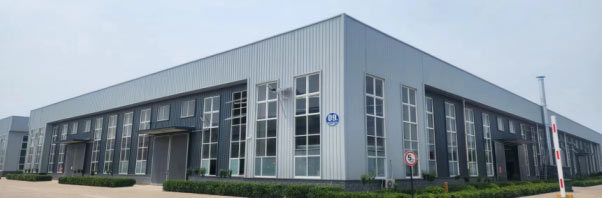
Specializing in the production of aircraft wheel chocks, rubber parts, silicone fluororubber products, waterstop, carrier rollers, conveyor belts, polyurethane accessories, nylon plastic parts, high-pressure oil pipes, metal hoses, various rubber strips, rubber wheels, wheel heat exchanger pads, etc.
Quick Link
Contact Info
ADDRESS:
Workshop 9, Wanxiang Equipment Industrial Park, Wuyi County, Hengshui City, Hebei Province, China
E-mail:


