Zhuo'er Rubber & Plastic Product Co., Ltd




The Benefits of Using Rubber Wheel Blocks for Safe and Secure Parking Solutions
Pubdate:
2026-04-09
When it comes to parking solutions, security and convenience are key. Parking vehicles in confined spaces, or ensuring that they stay securely in place while not in use, can be a challenge. That’s where Rubber Wheel Blocks come into play. These essential tools offer an easy yet effective solution to parking-related issues by preventing unwanted vehicle movement. Whether in a commercial setting, residential area, or industrial space, rubber wheel blocks are indispensable for maintaining safety and efficiency. In this article, we’ll delve into the advantages, functions, and practical applications of rubber wheel blocks, and explore how they can solve common parking-related pain points.
What are Rubber Wheel Blocks?
Rubber wheel blocks are durable, heavy-duty blocks designed to be placed in front of or behind vehicle tires to prevent movement. These blocks are typically made from high-quality rubber material, which makes them resistant to wear, weather conditions, and heavy loads. They come in various sizes and shapes to accommodate different types of vehicles, from cars and trucks to large machinery and equipment.
One of the most significant advantages of rubber wheel blocks is their ability to securely hold vehicles in place. This is particularly important in areas where space is limited, and vehicles are parked on inclines or in places where movement could lead to accidents, such as garages, parking lots, and warehouses.

Advantages of Rubber Wheel Blocks
There are several compelling reasons why businesses, organizations, and individuals opt for rubber wheel blocks. First and foremost, these blocks are incredibly durable. Made from robust rubber, they can withstand constant pressure, heavy vehicles, and extreme weather conditions without breaking down or deteriorating quickly. This ensures that rubber wheel blocks will continue to function effectively for a long period, providing lasting value.
Another key advantage is their versatility. Rubber wheel blocks can be used for a wide range of vehicles, including cars, trucks, RVs, trailers, and even heavy machinery. Their universal design makes them suitable for various environments, from residential driveways to commercial parking lots and industrial storage areas. They can also be used in both indoor and outdoor settings, thanks to their weather-resistant qualities.
Additionally, rubber wheel blocks are easy to install and maintain. Unlike traditional metal or concrete wheel stops, rubber blocks are lightweight and can be placed and moved with minimal effort. They don’t require any specialized tools for installation and are relatively low-maintenance, making them an excellent choice for busy environments where time is of the essence.
The Role of Rubber Wheel Blocks
The primary function of Rubber Wheel Blocks is to prevent vehicles from rolling or shifting while parked. This is crucial for safety, as vehicles that move unintentionally can cause damage to property, block access, or create hazardous situations. Rubber wheel blocks provide a reliable solution by ensuring that vehicles remain securely in place, especially on inclines or in areas where parking space is tight.
In addition to their safety function, rubber wheel blocks also help in organizing parking spaces. By marking clear boundaries for each vehicle, they contribute to the efficient use of parking areas, making it easier to park and access vehicles. In commercial and industrial settings, rubber wheel blocks help organize storage areas for large machinery, preventing accidents and improving workflow.
Practical Applications and Case Studies
Rubber wheel blocks have proven to be highly effective in various industries and settings. One prime example is in the trucking industry. Large trucks and trailers often need to be parked in tight spaces, and without proper wheel stops, they may roll or shift, causing accidents or damage. By using rubber wheel blocks, trucking companies can ensure that their vehicles stay securely in place, reducing the risk of costly repairs or accidents.
In the construction industry, rubber wheel blocks are often used to secure heavy machinery and equipment during downtime. Whether parked on a construction site or in a warehouse, these wheel blocks provide stability, preventing equipment from rolling or shifting and reducing the risk of damage. Additionally, they help keep equipment organized and easily accessible, making it easier for workers to find and use the necessary tools.
A residential use case also demonstrates the effectiveness of rubber wheel blocks. Homeowners with steep driveways or limited parking space can use rubber wheel blocks to prevent vehicles from rolling. By simply placing the blocks in front of the tires, homeowners can ensure that their vehicles remain stationary, avoiding potential accidents or damage to the property.
Solving Customer Pain Points
One of the main pain points that rubber wheel blocks address is the risk of vehicle movement while parked. In spaces where parking is limited, and vehicles are often parked on inclines, the chance of vehicles rolling or shifting is a serious concern. Rubber wheel blocks offer a simple, cost-effective solution that helps eliminate this risk.
Another common issue in parking areas is disorganization. When parking spaces are not clearly marked or vehicles are not secured properly, it can lead to accidents, blocked access points, and inefficient use of available space. Rubber wheel blocks provide a straightforward solution by clearly marking where vehicles should be parked and preventing movement, which ultimately improves the overall organization of parking areas.
Furthermore, the durability and low-maintenance nature of rubber wheel blocks solve the problem of frequent replacement and repair costs associated with other types of wheel stops, such as concrete or metal options. Their ability to withstand heavy pressure and harsh weather conditions ensures that businesses and homeowners don’t have to worry about constant replacements or repairs.
Conclusion
In conclusion, Rubber Wheel Blocks are a valuable investment for anyone in need of a reliable, durable, and effective parking solution. Whether you are looking to secure vehicles in a commercial parking lot, organize storage areas in an industrial setting, or simply ensure your vehicle stays in place on a steep driveway, rubber wheel blocks provide a cost-effective, versatile solution. With their durability, ease of use, and ability to prevent unwanted movement, they are an essential tool for improving safety, efficiency, and organization in any parking or storage area.
Recommended Reading
Understanding Aircraft Wheel Chocks: Essential Safety Devices for Aviation
Aircraft wheel chocks are designed to prevent aircraft from rolling when parked or during maintenance operations. These sturdy blocks are positioned against the wheels of an aircraft to secure it in place, ensuring safety for both the aircraft and personnel working around it. Understanding the functionality and importance of wheel chocks is crucial for anyone involved in aviation operations or saf
Polyurethane Scrapers vs. Traditional Materials: Which is Better for Safety?
Polyurethane Scrapers vs. Traditional Materials: Which is Better for Safety? Table of Contents 1. Introduction to Safety Equipment Materials 2. Understanding Polyurethane Scrapers 3. Traditional Materials in Safety Equipment 4. Advantages of Polyurethane Scrapers for Safety 5. Disadvantages of Polyurethane Scrapers 6. Benefits of Traditional Materials 7. Drawbacks of T
Understanding Rubber Butterfly Valves: Essential Components for Traffic Safety Devices
Rubber butterfly valves are vital components in various applications, particularly within the automotive and transportation safety equipment sectors. These valves operate using a circular disc that rotates within the flow of a medium—typically liquids or gases—allowing for easy regulation of the flow. The “rubber” aspect pertains to the sealing materials used in the valve's construction, offering
How Rubber Wheel Stops Help Manage Traffic Flow Efficiently
How Rubber Wheel Stops Help Manage Traffic Flow Efficiently Table of Contents 1. Introduction to Rubber Wheel Stops 2. Understanding Traffic Flow Management 3. The Role of Rubber Wheel Stops in Traffic Safety 4. Key Benefits of Using Rubber Wheel Stops 4.1 Enhanced Safety in Parking Areas 4.2 Improved Space Utilization 4.3 Durability and Cost-Effectiveness 5. How to Install Rubber Wheel Stops Effe
Understanding Silicone Gaskets: Essential Components for Automotive Engine Systems
Silicone gaskets are vital components in automotive engine systems, especially when it comes to sealing various parts within the engine. Their unique properties make them ideal for high-temperature and high-pressure environments, which are common in automotive applications. Understanding their benefits, applications, and maintenance can help automotive professionals and enthusiasts alike ensure op
Wheel Chocks in Extreme Conditions: Essential Considerations for Safety and Performance
Wheel Chocks in Extreme Conditions: Essential Considerations for Safety and Performance Table of Contents Understanding Wheel Chocks: Basics and Functions The Importance of Wheel Chocks in Extreme Conditions Material Selection: Choosing the Right Wheel Chock Safety Standards and Certifications for Wheel Chocks Proper Usage Techniques for Wheel Chocks Maintenance and Inspec
Company Profile
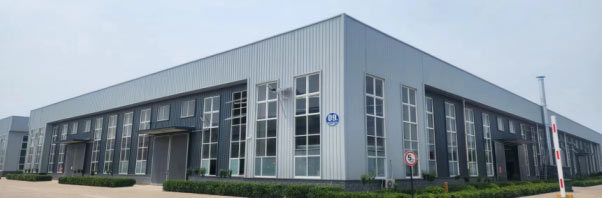
Specializing in the production of aircraft wheel chocks, rubber parts, silicone fluororubber products, waterstop, carrier rollers, conveyor belts, polyurethane accessories, nylon plastic parts, high-pressure oil pipes, metal hoses, various rubber strips, rubber wheels, wheel heat exchanger pads, etc.
Quick Link
Contact Info
ADDRESS:
Workshop 9, Wanxiang Equipment Industrial Park, Wuyi County, Hengshui City, Hebei Province, China
E-mail:


